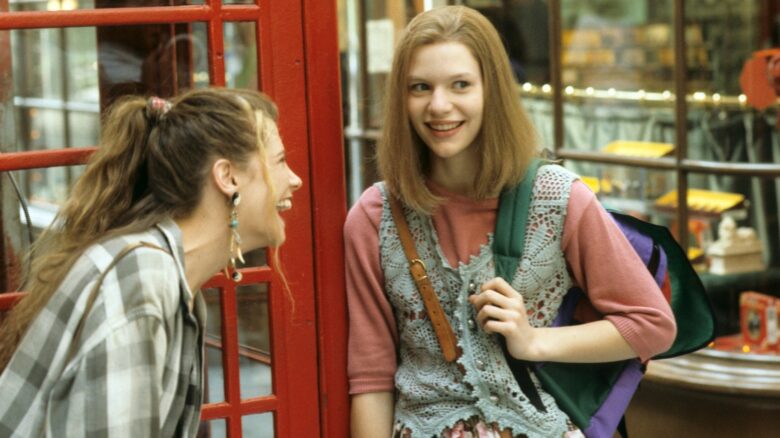
A one-season wonder from 1994 propelled Claire Danes to stardom while offering a fresh, authentic perspective on adolescence. ABC’s “My So-Called Life” followed 15-year-old Angela Chase’s high school journey through her first-person narration. Teen dramas that aired during the same era — Fox’s “Beverly Hills, 90210,” in particular — tended to tackle similar heavy topics, but with a much soapier tone.
“My So-Called Life” producers Marshall Herskovitz and Ed Zwick tapped writer Winnie Holzman to pen a series that would challenge the nature of shows like “90210” and create something more “introspective.” Herskovitz explained to Yahoo Entertainment that “most shows about teens on television … were very exploitative about sexuality and meant to be titillating rather than inside the experience of what it meant to be an adolescent.” Holzman, who would go on to write the script for the award-winning Broadway musical “Wicked,” said she took Angela’s character “as seriously as any adult character by giving her respect and depth and really exploring her in every way” (via BBC).
What makes My So-Called Life stand out from the rest in the teen drama genre?
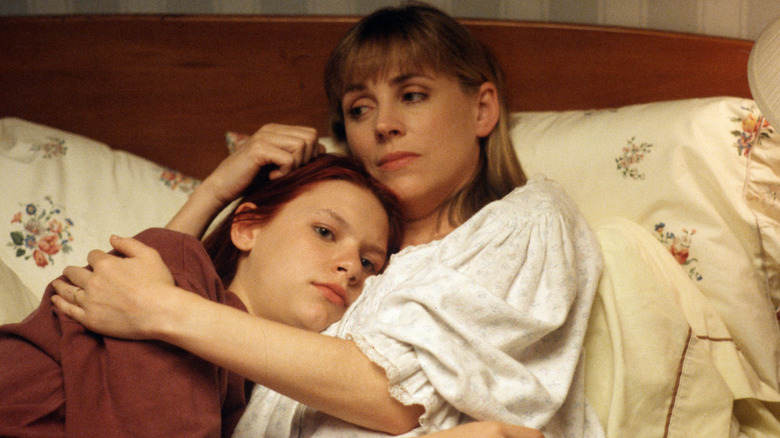
The initial premise of “Beverly Hills, 90210” showcased the new lives of twins Brandon (Jason Priestley) and Brenda Walsh (Shannen Doherty) after their move from Minneapolis to bougie Beverly Hills. The series’ cast of characters lived opulently, while “My So-Called Life” kept things relatable for the average teenager. Angela Chase’s family was middle-class. Some of her peers, including her crush Jordan Catalano (played by a young and moody Jared Leto), were either dealing with poverty or potentially close to doing so.
Beyond class differences, the characters on “90210” got themselves into some wild hijinx, from a prom hit-and-run in Season 1 to an 18-year-old buying an entire bar in Season 4. “My So-Called Life” took the opposite approach, with storylines that centered on zit-related confidence issues and debilitating high school crushes. As writer Jason Katims put it, the series had a goal “to tell as little story as possible.” In an interview with the LA Times, Winnie Holzman revealed what made the series exciting from the very beginning: “You had never heard that [authentic teenage] voice on television before.”