The ’70s were a glorious time to be a TV viewer, and they were also pretty great for fans of spinoffs. As soon as a series started to find significant traction in the Nielsen ratings, someone in the mix — be it the studio, the network, or the series’ producers — would inevitably begin searching for a secondary character within the series who could easily slip away from the show and successfully have the spotlight shifted to them for their own series.
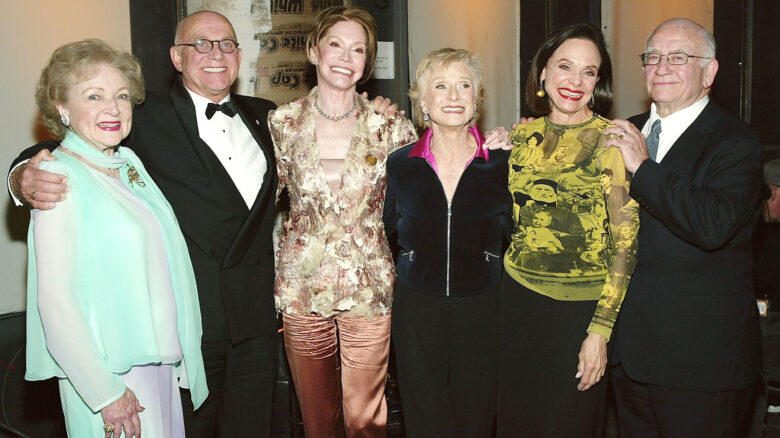
In the case of “The Mary Tyler Moore Show,” which was ranked as one of the best CBS shows of all time, the series had a wealth of characters to choose from. Given the increasing number of storylines revolving around Mary Richards’ work life, the producers opted to spin off two of Mary’s friends from outside of the office into their own titular series: Rhoda Morgenstern (Valerie Harper) and Phyllis Lindstrom (Cloris Leachman). After the series ended, however, all of the characters became available, at which point the decision was made to go in a different direction with Mary’s TV newsroom boss, Lou Grant (Ed Asner), transplanting him into the world of print journalism and making him the titular character in an hour-long drama.
“Rhoda” and “Lou Grant” ran for five seasons each, making their mark on the TV landscape, but “Phyllis” wasn’t quite so successful, wrapping its run after only two seasons. Then again, “Phyllis” had to deal with more problems behind the scenes than its sister series.
Rhoda topped the Nielsen ratings with its very first episode
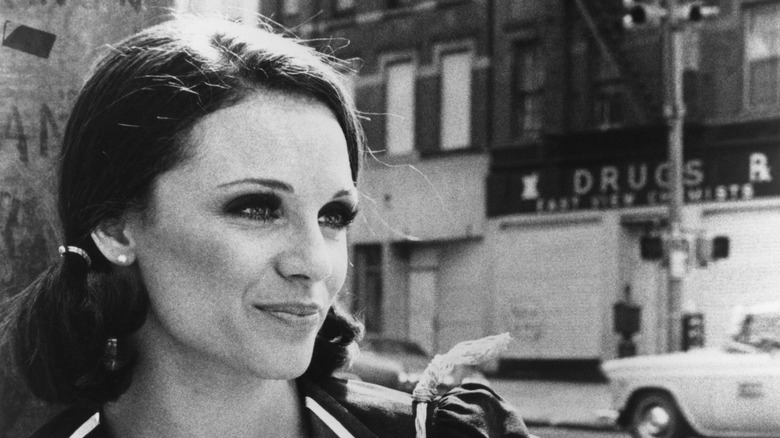
Rhoda Morgenstern (the late Valerie Harper) stood out from the moment she made her debut on “The Mary Tyler Moore Show,” partly because of her brashness, but also because of her distinctly unique fashion choices. She was also famously single until “Rhoda” premiered in the fall of 1974, at which point viewers saw the character move to New York and meet Joe Gerard (David Groh).
The hype for the series was so profound that its debut set a record, with the first episode topping the Nielsen ratings, the first time a series’ first episode had ever achieved such a feat. Within eight weeks, Rhoda and Joe had gotten married, with the special hour-long episode becoming the highest-rated episode of TV of the ’70s, a record it held until the premiere of “Roots” in 1977. The episode also earned Harper an Emmy for outstanding lead actress in a comedy series in 1975.
At the start of the third season, however, Joe left Rhoda, a decision which proved more than a little divisive with viewers, as demonstrated with a significant drop in the ratings. The producers stood their ground, however, and by the fourth season, Rhoda was officially a divorcee, providing the series with an opportunity to have Rhoda doing a bit of dating while also focusing on her career. Ratings went up again, thankfully, but when the series was put up against the NBC blockbuster “CHiPs” in the fall of 1978, “Rhoda” simply couldn’t compete, and CBS pulled the plug.
Phyllis struggled behind the scenes from the beginning
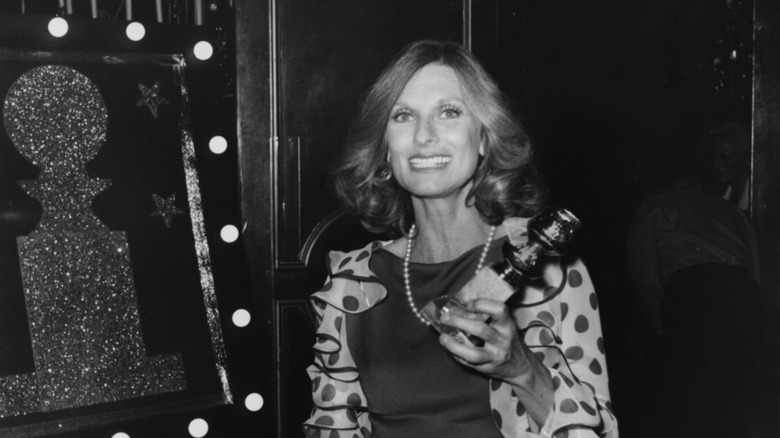
Phyllis Lindstrom (Cloris Leachman) wasn’t just Mary Richards’ friend and neighbor — she was also her landlady. Two of those statuses ended abruptly, however, when Phyllis’ forever-unseen husband, Dr. Lars Lindstrom, died suddenly, leaving her with no money. With limited options, Phyllis decided to take her daughter Bess (Lisa Gerritsen), leave Minneapolis, and move in with her mother-in-law Audrey (Jane Rose) and Audrey’s husband Jonathan (Henry Jones) in San Francisco. When “Phyllis” debuted in September 1975, nestled between “Rhoda” and “All in the Family,” it unsurprisingly found its way into the Nielsen top 10 immediately, but there were problems behind the scenes that caused it to be remembered as one of the worst TV spinoffs.
Upon relocating to San Francisco, Phyllis found a job at a photography studio owned by Julie Erskine, played by Barbara Colby, but after filming three episodes, Colby was murdered outside an acting class, forcing the producers to recast the role with Liz Torres. During Season 2, both the actor playing Jonathan’s mother (Judith Lowery) and the actor playing her husband (Burt Mustin) died. It was also during the show’s second season that Jane Rose discovered that she was battling cancer, forcing her to work less, necessitating casting overhauls.
On top of everything else, “Phyllis” suffered a significant ratings drop as a result of “Rhoda” losing viewers because of the Rhoda and Joe divorce. Although it was just barely still sitting in the Nielsen top 40 by the end of Season 2, CBS had such concern about the future of “Phyllis” due to the loss of so many significant characters that they opted to cancel the series. To date, the two seasons of “Phyllis” remain unavailable on either DVD or streaming, leading to its relative obscurity.
Ed Asner won Emmys for playing Lou Grant on two different series
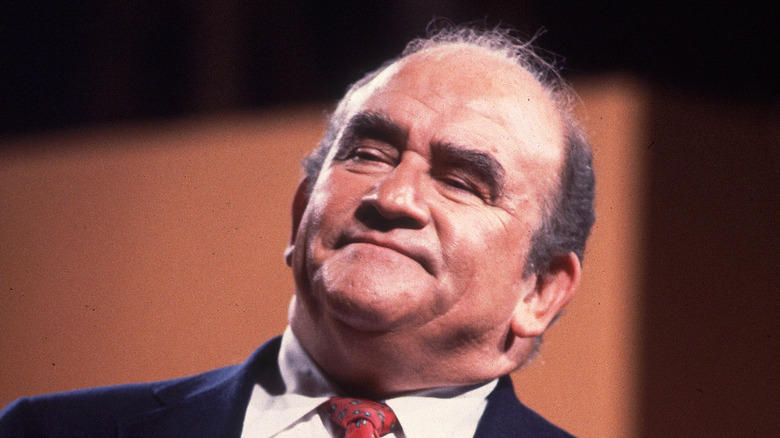
When “The Mary Tyler Moore Show” ended, Lou Grant (Ed Asner) had good reason to maintain his longstanding cantankerous attitude, since his character was fired from WJM-TV. Fortunately, the character landed on his feet: He moved to California and returned to his oft-mentioned print roots by securing a position as city editor of The Los Angeles Tribune. As noted, with the change of locale also came a change of tone, along with a new group of journalists: Reporters Joe Rossi (Robert Walden) and Billie Newman (Linda Kelsey), photographer Dennis “Animal” Price (Daryl Anderson), assistant city editor Art Donovan (Jack Bannon), and managing editor — and Lou’s old friend — Charles Hume (Mason Adams).
“I figure whatever drama you do, you should find the comedy to put into it,” Asner told the A.V. Club in 2012. “You need both. I learned a tough lesson there, one that made me realize that you can’t just hop off one train and get on the next easy as pie. We sweated bullets. Well, I did, anyway. You must always pepper it with laughs wherever you can, or Jack will be a very dull boy.”
Over the course of its run, “Lou Grant” was an awards powerhouse, earning 56 Emmy nominations and 13 awards, including two for Asner (outstanding lead actor in a drama series) and four for future “Sopranos” star Nancy Marchand (outstanding continuing performance by a supporting actress in a drama series) as Margaret Jones Pynchon, editor of The Los Angeles Tribune. The series also won three Directors Guild of America Awards, three Golden Globes, two Writers Guild Awards, two Humanitas Prizes, and a Peabody. Was “Lou Grant” canceled after five seasons because of Asner’s politics? Asner certainly thought so.