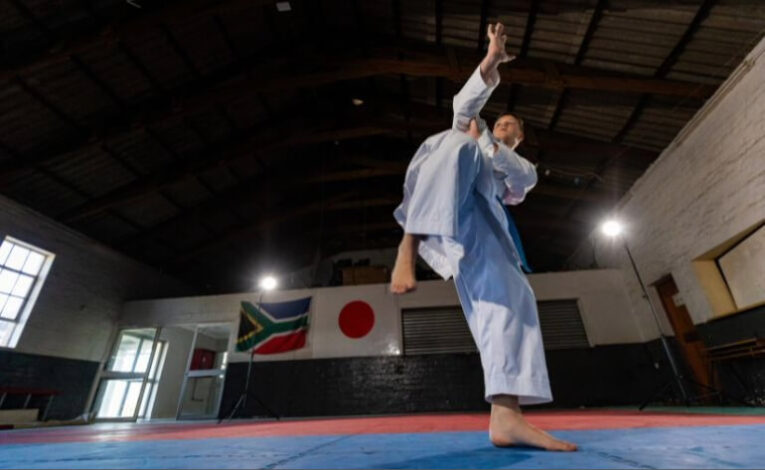
Many martial artists pride themselves on discipline, consistency, and hard work. Those qualities build skill, but they cannot replace proper martial arts recovery. Every punch, kick, throw, and grappling exchange challenges your muscles and nervous system. Rest allows your body and mind to rebuild so that you can return to training stronger than before. Explore how rest helps you become a better martial artist and learn a few tips to improve.
Recovery Builds Better Technique
Practicing techniques repeatedly improves muscle memory, but recovery helps these lessons stick. Your brain processes movement patterns after training, making each repetition more effective over time. Returning to class while exhausted often leads to sloppy technique and unnecessary mistakes. Quality rest gives you the energy to perform each movement with precision and confidence.
Prevent Burnout Before It Starts
Many enthusiastic students try to train every day without considering how their bodies respond. That approach often creates lingering fatigue, reduced motivation, and slower progress. Scheduling regular recovery days keeps training enjoyable while lowering the risk of overuse injuries. Long-term improvement depends on consistency, not constant exhaustion.
Sleep Is Part of Your Training Plan
A good night’s sleep supports every aspect of martial arts performance. Your body repairs muscle tissue, restores energy, and regulates important hormones while you sleep. Mental focus also improves after consistent, high-quality rest, allowing you to react faster during sparring and drills. Strong recovery habits often separate experienced martial artists from those who struggle to progress.
Active Recovery Keeps You Moving
Rest doesn’t always mean spending the entire day on the couch. Gentle movement promotes circulation while reducing stiffness after demanding training sessions. Walking, light stretching, yoga, or mobility work can all help you recover without placing additional stress on your body. These activities prepare you for your next class while supporting long-term flexibility.
Healthy recovery habits include:
- Sleep seven to nine hours each night.
- Stay hydrated throughout the day.
- Eat balanced meals after training.
- Stretch or perform light mobility exercises.
- Schedule at least one full recovery day each week.
Listen to What Your Body Tells You
Martial arts encourage mental toughness, but toughness should never mean ignoring warning signs. Persistent soreness, declining performance, and constant fatigue often signal that your body needs additional recovery. Smart practitioners recognize the difference between productive discomfort and unnecessary strain. Listening to those signals allows you to train for years instead of burning out after a short period.
Recovery Supports Long-Term Mobility
Protecting your body today allows you to continue practicing well into the future. Many lifelong martial artists prioritize joint health, flexibility, and functional movement alongside technical development.
As people grow older, they also begin thinking about mobility in everyday life, including topics like how long lift chairs last and when to replace them while helping aging family members maintain independence. Taking care of your body now creates a stronger foundation for lifelong health on and off the mat.
A Strong Mind Needs Rest Too
Mental fatigue affects timing, awareness, and decision-making just as much as physical exhaustion. Taking breaks from intense training can restore motivation while preventing frustration from building over time. Many martial artists discover fresh enthusiasm after allowing themselves adequate recovery between demanding sessions. A rested mind stays calm under pressure and performs more effectively when challenges arise.
Rest should never feel like a setback because it remains an essential part of martial arts development. Every recovery day prepares your body for higher-quality practice and better technical execution. Balanced training produces stronger athletes who can continue learning for decades without unnecessary injuries. When you embrace recovery as part of your discipline, you strengthen your martial arts skills and your overall well-being.