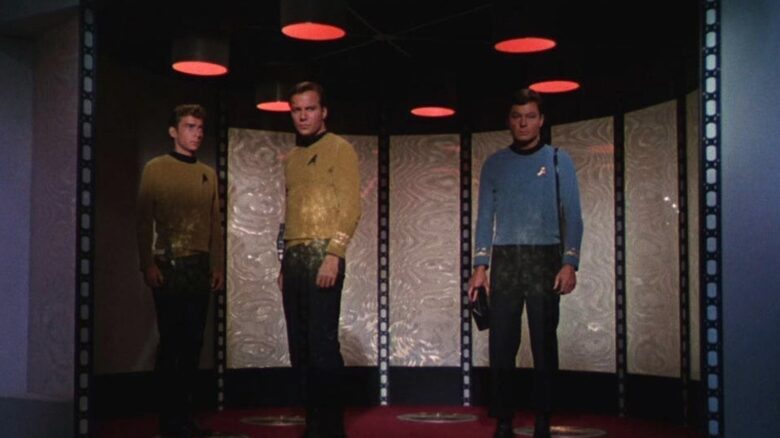
The transporter seen on “Star Trek” became one of the series’ most iconic contributions to science fiction, but the visual effect used to bring it to life first appeared on “The Outer Limits.”
The 1960s were a golden age for science fiction on television, with shows like “Star Trek,” “The Prisoner,” “Doctor Who,” and “Lost in Space” all making their debuts. Similar in tone to “The Twilight Zone” with its tales of terror and suspense, “The Outer Limits” distinguished itself by leaning more heavily into science fiction, frequently featuring alien beings, other worlds, and strange scientific experiments or phenomena.
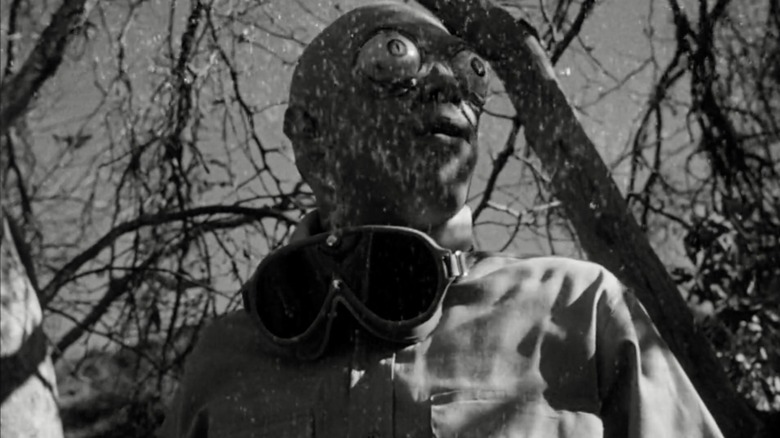
One episode, “The Mutant,” took place on a planet ravaged by radioactive dust storms, referred to as “isotope rain” in “The Outer Limits: The Official Companion” by David J. Schow and Jeffrey Frentzen. According to the book, the effect was created “by sifting metallic dust through a high-intensity light.” Schow and Frentzen note that the original “Star Trek” series later adopted the same technique to create the shifting particles seen as Enterprise crew members dematerialized in the transporter.
How The Outer Limits’ isotope rain became Star Trek’s transporter
“Inside Star Trek: The Real Story” by Herbert F. Solow and Robert H. Justman details the early visual effects process behind the transporter. In the book, visual effects artist Darrell A. Anderson explained how he created the effect for the original “Star Trek” series.
“I just turned a slow-motion camera upside down and photographed some backlit shiny grains of aluminum powder that we dropped between the camera and a black background,” Anderson said. As on “The Outer Limits,” the combination of metallic powder and careful lighting created the appearance of an otherworldly energy. The visual was paired with “shimmer” music from the series’ composer Alexander “Sandy” Courage to complete the transporter effect.
In the “Star Trek” series that followed the original, the transporter effect grew more elaborate, with “The Next Generation” relying on layered visual compositing that combined dissolves, mattes, wipes, and shimmering light. Later productions shifted to CGI while retaining the transporter’s familiar shimmering appearance.