

10 Best TV Shows Like Little House On The Prairie
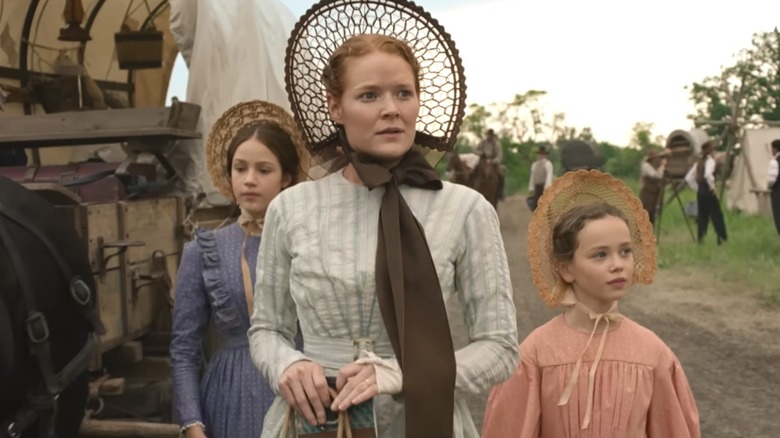
While not as action-packed as many of its genre counterparts, "Little House on the Prairie" is one of the best Western TV shows of all time. Based on Laura Ingalls Wilder's semi-autobiographical books, the story follows the Ingalls family as they settle along the frontier in the 19th century. Whereas the original series was a television staple in the '70s and '80s, "Little House on the Prairie" received a Netflix remake retaining its heartwarming qualities in 2026. Both shows revolve around coming-of-age and familial drama with a more pastoral approach to the Western genre.
For those looking for another cozy Western series than the most intense shows in the genre, we've got you covered. There is no shortage of fan-favorite period piece Westerns that revel in bucolic domesticity on the frontier rather than leaning into gunslinging spectacle. In other cases, we're including series with similar wholesome themes and tones as "Little House on the Prairie" and its counterparts. These are the 10 best TV shows like "Little House on the Prairie," each offering their own rustic slice-of-life charms.
Bonanza
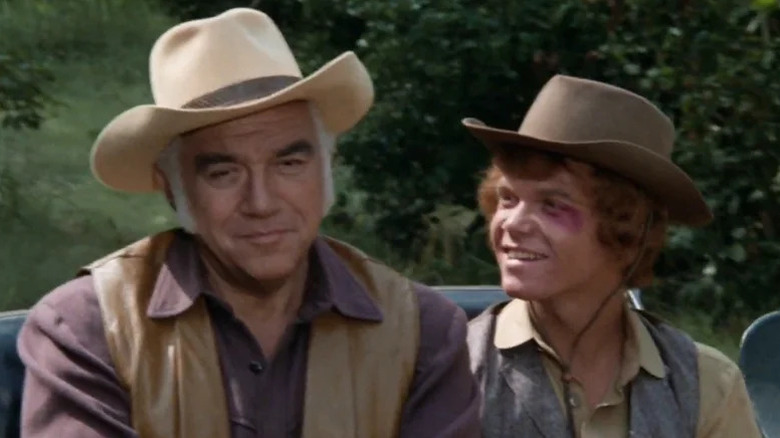
Before Michael Landon played such an instrumental role in making the original "Little House on the Prairie," starring, executive producing, and occasionally directing the 1974 series, he starred in "Bonanza." Premiering in 1959 and running until 1973, the show centers on the Ponderosa Ranch in Nevada primarily during the 1860s. Landon stars as Joe Cartwright, the youngest of three sons fathered by rancher Ben Cartwright (Lorne Greene) by different wives throughout his life.
Airing for 14 seasons, "Bonanza" is a Western show that defines the genre on television, outmatched only by "Gunsmoke" and "Death Valley Days" in terms of longevity. In contrast to "Gunsmoke," "Bonanza" draws much of its appeal from its unique family dynamics rather than constantly keeping the peace. There is Western action to be had, for sure, but it's not as much of a focus as other shows of the era like "Rawhide" or "Have Gun, Will Travel." That emphasis on a frontier family, buoyed by Landon's prominent presence, makes "Bonanza" a natural inclusion on this list.
The Waltons
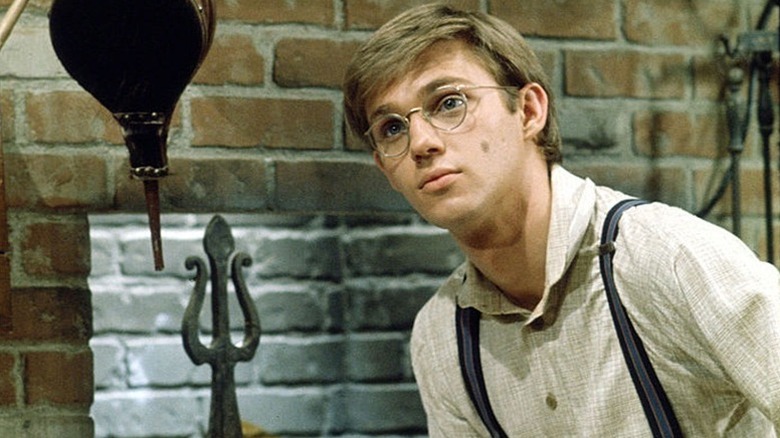
A contemporary of the original "Little House on the Prairie" covering similar themes is "The Waltons," which aired from 1972 to 1981. While not a Western or set in the 19th century, the show is a rural period piece taking place in '30s and '40s Western Virginia. The show's protagonist is John-Boy Walton, initially played by Richard Thomas, the eldest of the titular family's seven children. While trying to make ends meet from their Appalachian homestead, the Waltons endure everything from the Great Depression to World War II.
"The Waltons" really sets the standard for focus on family television storytelling, leaning more into slice-of-life pacing and stakes for its eponymous clan. There is a story emphasis on the power of faith and family that serves as a thematic undercurrent for the entire series. These coalesce to make the show one of the coziest of the era, a feel-good series before we really knew what feel-good television was. Offering a gentler family drama full of life lessons and heart, "The Waltons" is as harmlessly unassuming as the genre gets.
Highway to Heaven
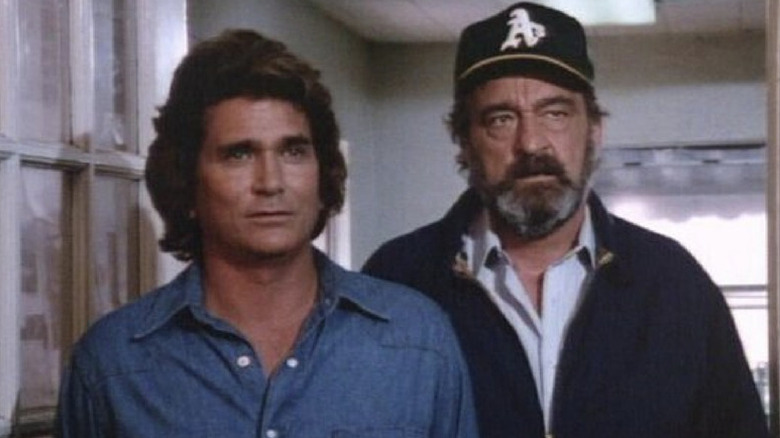
One last Michael Landon-led series to include here is the '80s fantasy drama "Highway to Heaven," which aired from 1984 to 1989. Like "Little House on the Prairie," Landon's creative fingerprints are all over this series beyond his starring role, serving as the show's credited creator, executive producer, and occasional episode director. Landon stars as an angel Jonathan Smith, who moves cross-country to help people in need as part of his divine service. Accompanying Jonathan is retiree Mark Gordon (Victor French), who finds his own life's purpose in helping Jonathan and offering a human perspective on their work.
Admittedly, "Highway to Heaven" is a clear outlier to the other series that we're listing here. But more than just providing another show starring Landon, a lot of the wholesome themes in "Little House in the Prairie," especially the importance of compassion, are present here. Landon's prior work was about appealing to the better angels of our nature and his final long-form television series made those sensibilities literal. A "Highway to Heaven" reboot is coming to Fox, making it the second Landon-starring series set for a modern revival.
I'll Fly Away
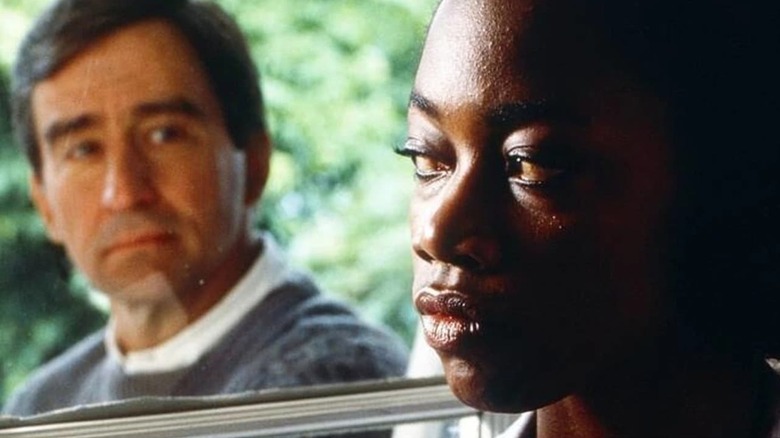
One underrated '90s family drama that doesn't get much recognition nowadays is "I'll Fly Away," which premiered in 1991 on NBC. The show follows housekeeper Lilly Harper (Regina Taylor) working at the household of Southern district attorney Forrest Bedford (Sam Waterston). As the civil rights movement begins to gain wider momentum in the late '50s, Lilly becomes increasingly involved as an activist. This results in the household being targeted by the Bedford family's prejudiced neighbors, with Lilly and Forrest maintaining their respective convictions.
Running for two seasons before concluding its remaining major plot threads with a television movie in 1993, "I'll Fly Away" deserves more attention 30 years later. The show is exceptionally well-staged and performed, with Taylor and Waterston both in fine form in their respective roles. Also, given its premise, the show balances family drama with a clear and timeless social message. These qualities make "I'll Fly Away" a show that is well-warranted for a revival or reappraisal, bringing its themes back to audiences.
Dr. Quinn, Medicine Woman
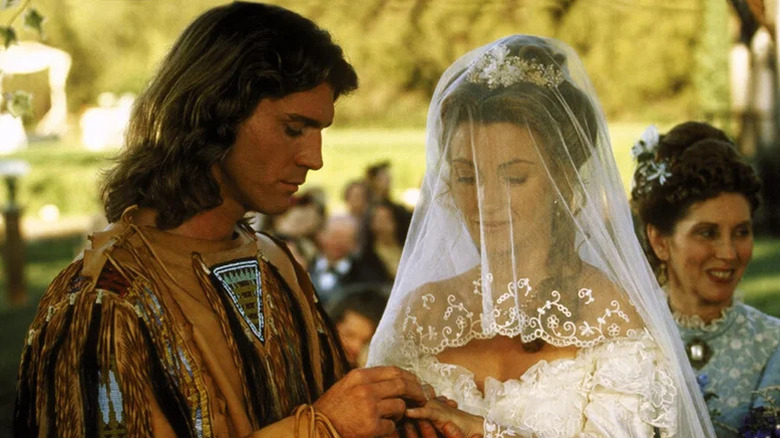
The heir apparent to "Little House on the Prairie," at least as far as family-friendly Westerns go, is "Dr. Quinn, Medicine Woman." The show's titular physician is played by Jane Seymour, opening with Michaela Quinn relocating from Boston to Colorado in the 1860s. While establishing her medical practice in the small frontier town, Michaela adopts three children after the local midwife dies from a poisonous snake bite. This adds a familial focus to the show as Michaela becomes a valuable figure in town and strikes a romance with rugged mountain man Bryon Sully (Joe Lando).
So much of the appeal to "Dr. Quinn, Medicine Woman" is the tumultuous chemistry between Jane Seymour and Joe Lando throughout the series. Though there are perils of the wilderness and other occasionally violent threats to Michaela and her community, the show largely leans into more comfort viewing qualities. This includes the nuances of Michaela becoming one of the most important figures in town through her compassionate work and her raising three children. Though it feels like a hit '90s show nobody talks about today, "Dr. Quinn, Medicine Woman" brought back a wholesome feel to the television Western.
Heartland
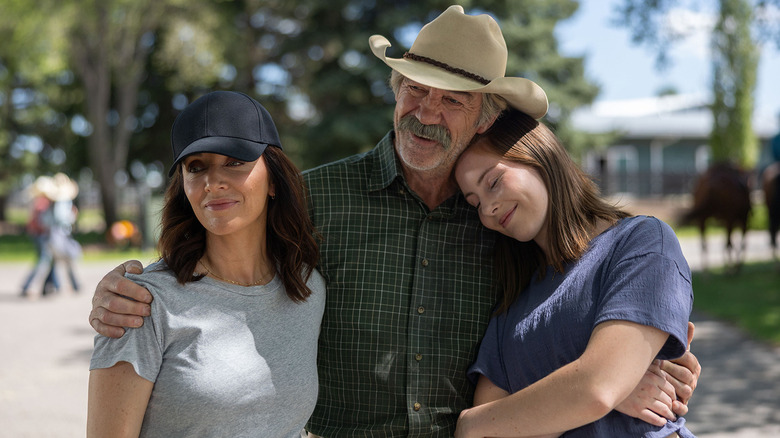
A show that puts things in a more contemporary, but no less wholesomely rustic, light is the Canadian series "Heartland." A television staple since 2007, the show is set on a family ranch in rural Canada, primarily centered on sisters Amy (Amber Marshall) and Lou Fleming (Michelle Morgan). Though the siblings are initially estranged from their father Tim (Chris Potter), the family gradually begins to reconcile as they work together on the ranch. In a twist from most shows with a similar premise, it's not only the sisters who find love, but also Tim and the family patriarch Jack Bartlett (Shaun Johnston).
"Heartland" has been running for 19 seasons and counting, really lending a sense of family that is only reinforced over time. While viewers used to a copacetically functioning family unit like "Little House on the Prairie" may be put off at first, the Fleming family comes together as the show progresses. That makes every triumph and every setback that this ensemble experiences, and there are plenty of them, all the more emotionally resonant. An easygoing series that revels in the warm comfort of its Alberta setting, "Heartland" is a contemporary Canadian romantic drama that's maintained its quality for over a decade.
When Calls the Heart
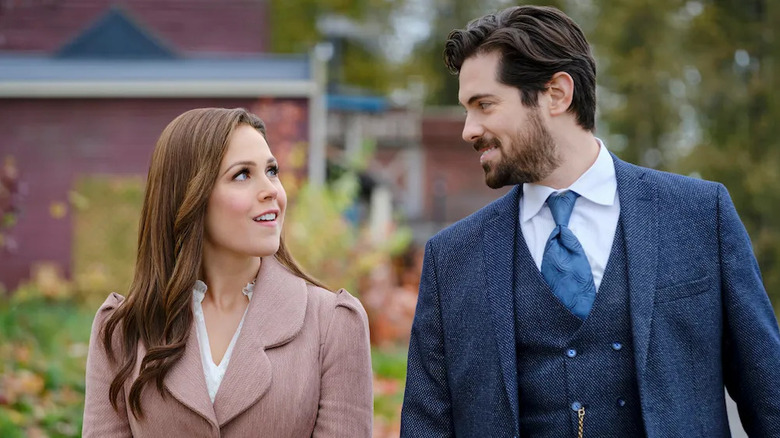
Another family drama set in rural Canada, albeit as a period piece, is the long-running Hallmark Channel series "When Calls the Heart." The show starts with Elizabeth Thatcher (Erin Krakow) moving to a small mining town in British Columbia in 1910. While working in the community as a teacher, Elizabeth naturally finds love with several eligible bachelors over the course of the series. The show uses its early 20th century setting well while Krakow grows into her central role marvelously, bringing a greater sense of poise and grace to the character.
Like "Heartland," "When Calls the Heart" has a distinctly cozy quality as it delivers its bucolic love story but also real stakes. Though Elizabeth finds long-lasting love eventually, it's definitely a rough road for her to get there, beset by tragedy along the way. The "When Calls the Heart" prequel "Hope Valley: 1874" dials up the period piece atmosphere while providing audiences with its own love story. Providing a warm vision of Canada in a simpler time, "When Calls the Heart" has been a fixture on the Hallmark Channel since 2014.
Anne with an E
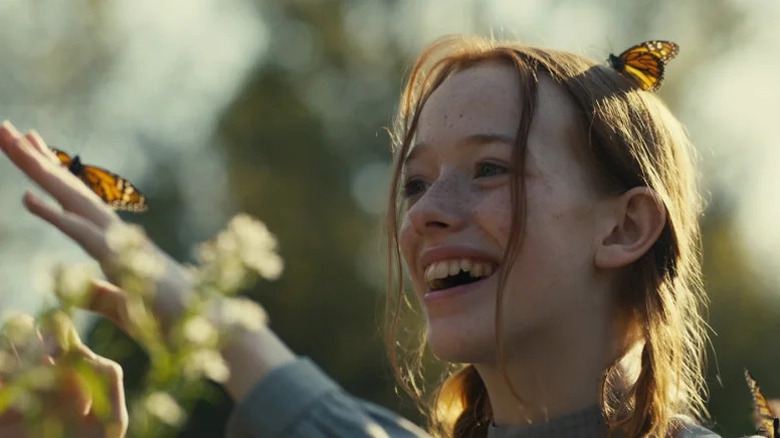
When it comes to women finding themselves through a second chance in rural Canada, the template was set by the 1908 novel "Anne of Green Gables" by Lucy Maud Montgomery. While this classic story has been adapted for television multiple times, we're going to go with the 2017 series "Anne with an E." Running for three seasons, the series retells the tale of Anne Shirley (Amybeth McNulty), a precocious teenage orphan in the late 19th century. Adopted by a pair of elderly siblings who live on Prince Edward Island, Anne embraces life in her scenic surroundings while enduring cruel bullying from her peers.
"Anne with an E" captures all the coming-of-age appeal of Montgomery's novels, with McNulty bringing a fresh energy to the title role. But more than just presenting a storybook vision of Prince Edward Island at the turn of the century, the show offers a grounded grit to its period piece setting. This includes harrowing scenes of bullying and ostracization along with more pronounced social commentary reflecting the foibles of the depicted era. One of the best coming-of-age shows of all time, "Anne with an E" mixes emotional and historical authenticity with its sense of wonder.
Little Women (2017)
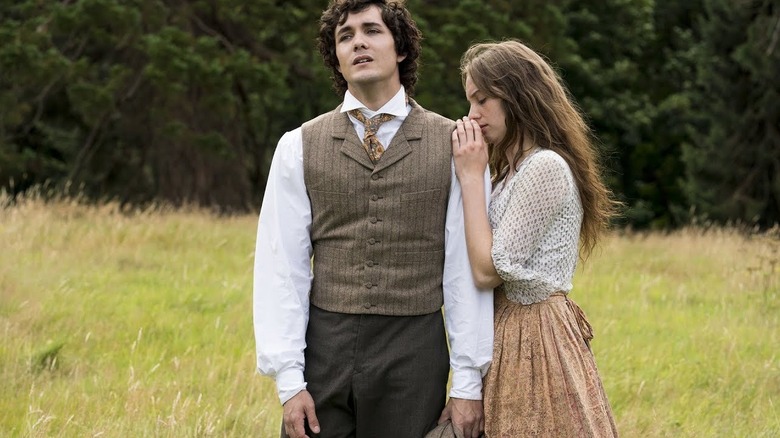
Another enduring coming-of-age story from classic literature that's been adapted for television and film multiple times is "Little Women." The 1868 novel by Louisa May Alcott follows the March sisters, who grow up together in New England during the Civil War. The most effective television adaptation of this story to date, at least in comparison to "Little House on the Prairie," is the 2017 limited series produced by the BBC. Told across three episodes, all the familiar narrative beats are present, as the four sisters contend with their burgeoning adulthood amid love and loss.
The 2017 "Little Women" has an absolutely stacked cast that sets it apart from other television adaptations of Alcott's story. This includes Maya Hawke, Willa Fitzgerald, Kathryn Newton, and Annes Elway as the siblings, with the quartet playing off of each other well. Lending some gravitas to the proceedings is Angela Lansbury and Michael Gambon in some of their final on-screen roles before their respective passing. Channeling the wry humor and familial warmth of the source material, the 2017 "Little Women" is an expertly staged retelling.
The Way Home
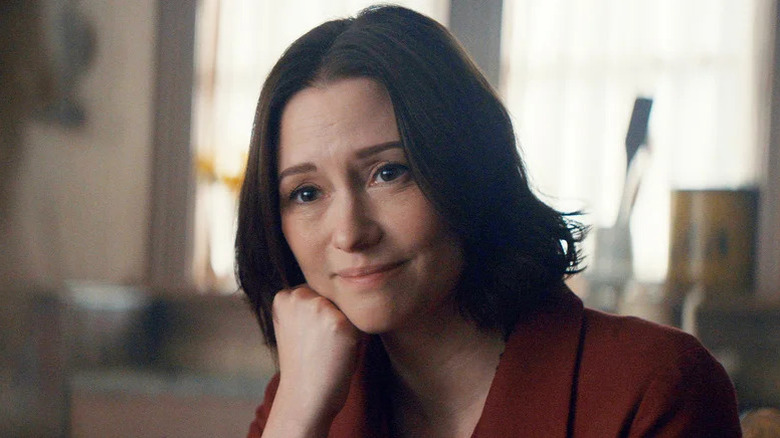
The most overtly fantastical entry on this list, "The Way Home" offers a time-bending approach to its generational story. The 2023 series opens with newly divorced single mother Kat Landry (Chyler Leigh) moving in with her estranged mother Delilah (Andie MacDowell). After accidentally falling into the property's time-traveling pond, Kat's teenage daughter Alice (Sadie Laflamme-Snow) finds herself decades in the past. Meeting younger versions of her mother and grandmother, the three generations of women come closer together as they each deal with their own turbulent personal lives.
Looking at the premise on a superficial level, "The Way Home" looks like an early 2000s twist on "Back to the Future." But the show finds a greater emotional depth to its story as Kat witnesses what her mother and grandmother endured during their own upbringing. This culminates in an open-ended series finale that provides multiple generations of Alice's family closure with a hint at new adventures. Running for four seasons on the Hallmark Channel, "The Way Home" provides the widest scope of any show on this list thanks to its magical premise.