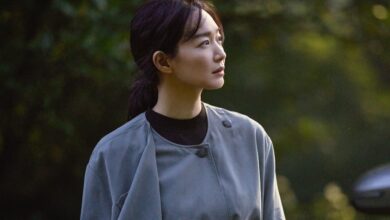
It’s the 60th edition of Karlovy Vary International Film Festival, a cinematic event, running from July 3-11, that combines world premieres from across Eastern Europe, with festival highlights from Sundance, Berlinale, and Cannes, along with rare restorations and the major luminaries of cinema. This year promises to be an exceptional anniversary for one of the world’s oldest festivals, whose picturesque mountainous surroundings act as a visual cue for the steadiness of this institution.
This year, I will cover the festival once more (Thanks to Isaac Feldberg for covering for me last year), and I can’t wait to dive into all that KVIFF has to offer. Come back starting Monday morning, July 6, for my coverage, which will include many of the 10 films below.
“Dao”
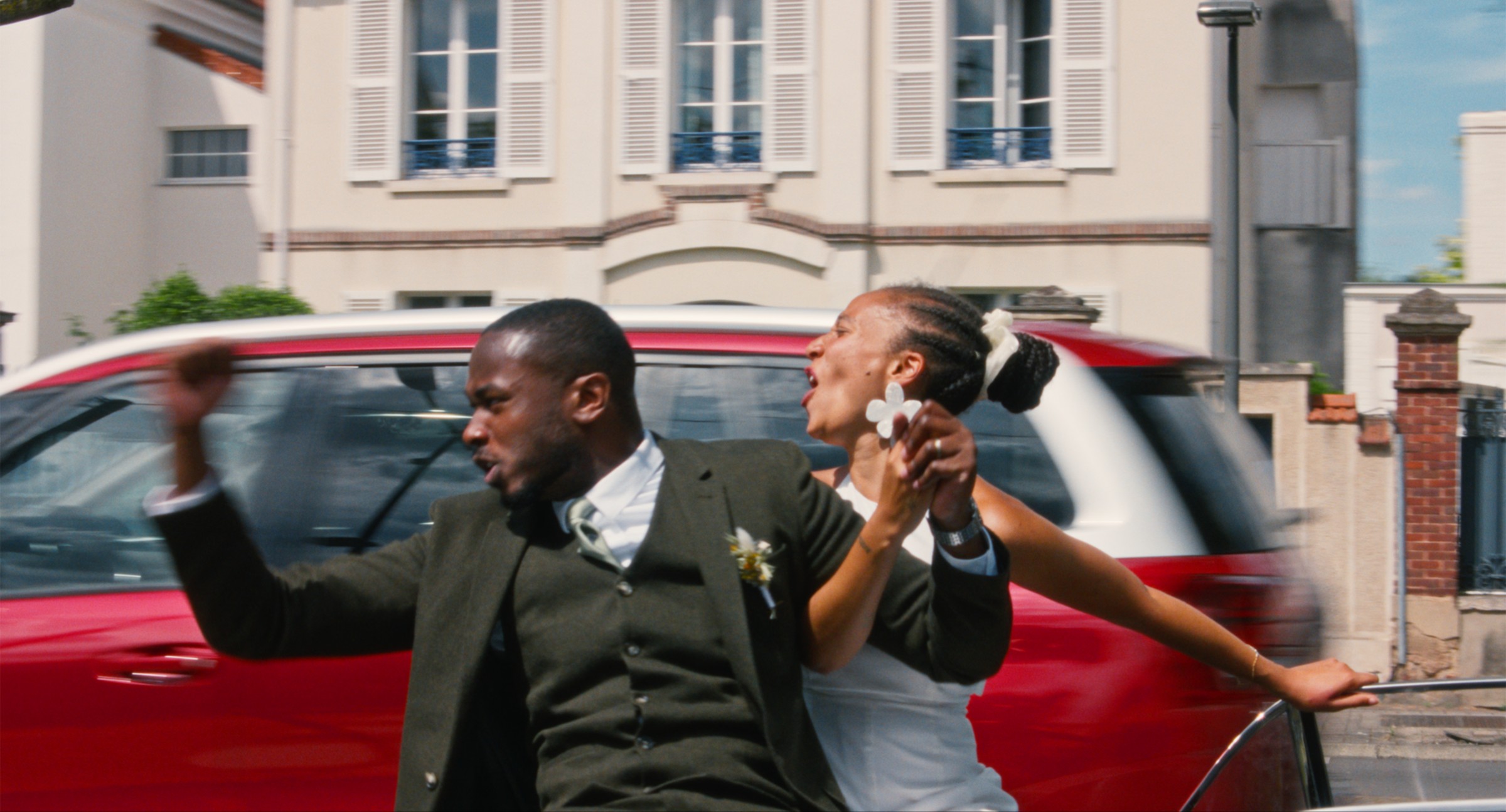
One of the major films from Berlinale 2026, Senegalese director Alain Gomis’ “Dao” takes its latest bow at KVIFF. The three-hour family epic oscillates between ceremonial family gatherings happening in France and Guinea-Bissau to two women in two different variations of the same culture. Gomis’ intermingling of European and African values leaps over into his kinetic filmmaking sensibilities, wherein “Dao” mixes narrative film elements with documentary aesthetics for a picture that takes pleasure in exploring the destabilization of tradition and identity.
“Black Money for White Nights”
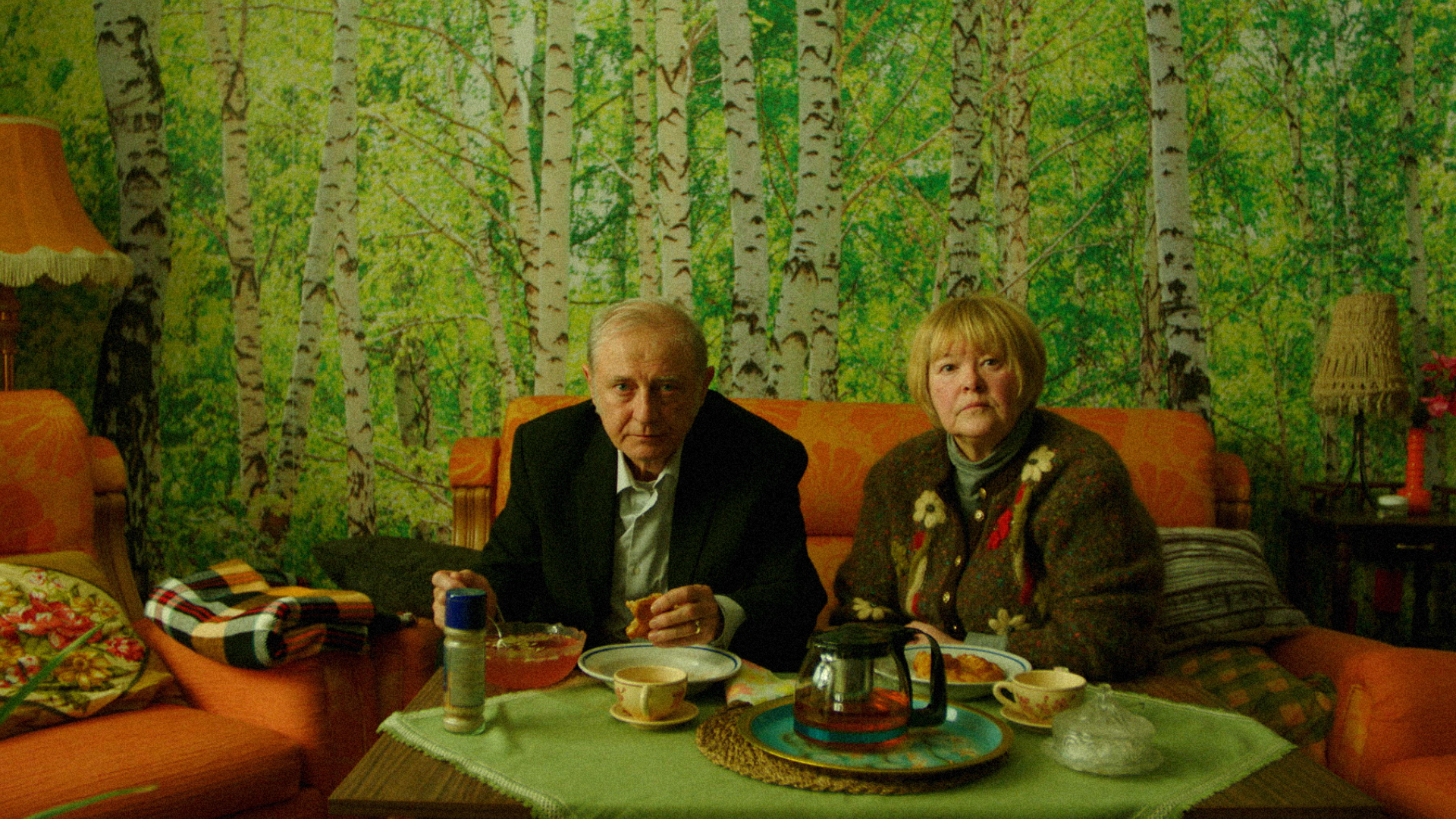
Following “Triumph,” which starred Maria Bakalova as a psychic used by the Bulgarian army to search for an alien artifact, the directing duo Kristina Grozeva and Petar Valchanov are back. Their latest is an equally bleak tragicomedy about an elderly couple whose hopes of visiting Russia to experience the White Nights, a moment of perpetual twilight, are dashed when the country invades Ukraine—rendering their trip null and void. The harsh turn of events, allow for harsher secrets to be revealed, upending what appeared to be a happy, stable marriage via two frank lead performances.
“Hijamat”
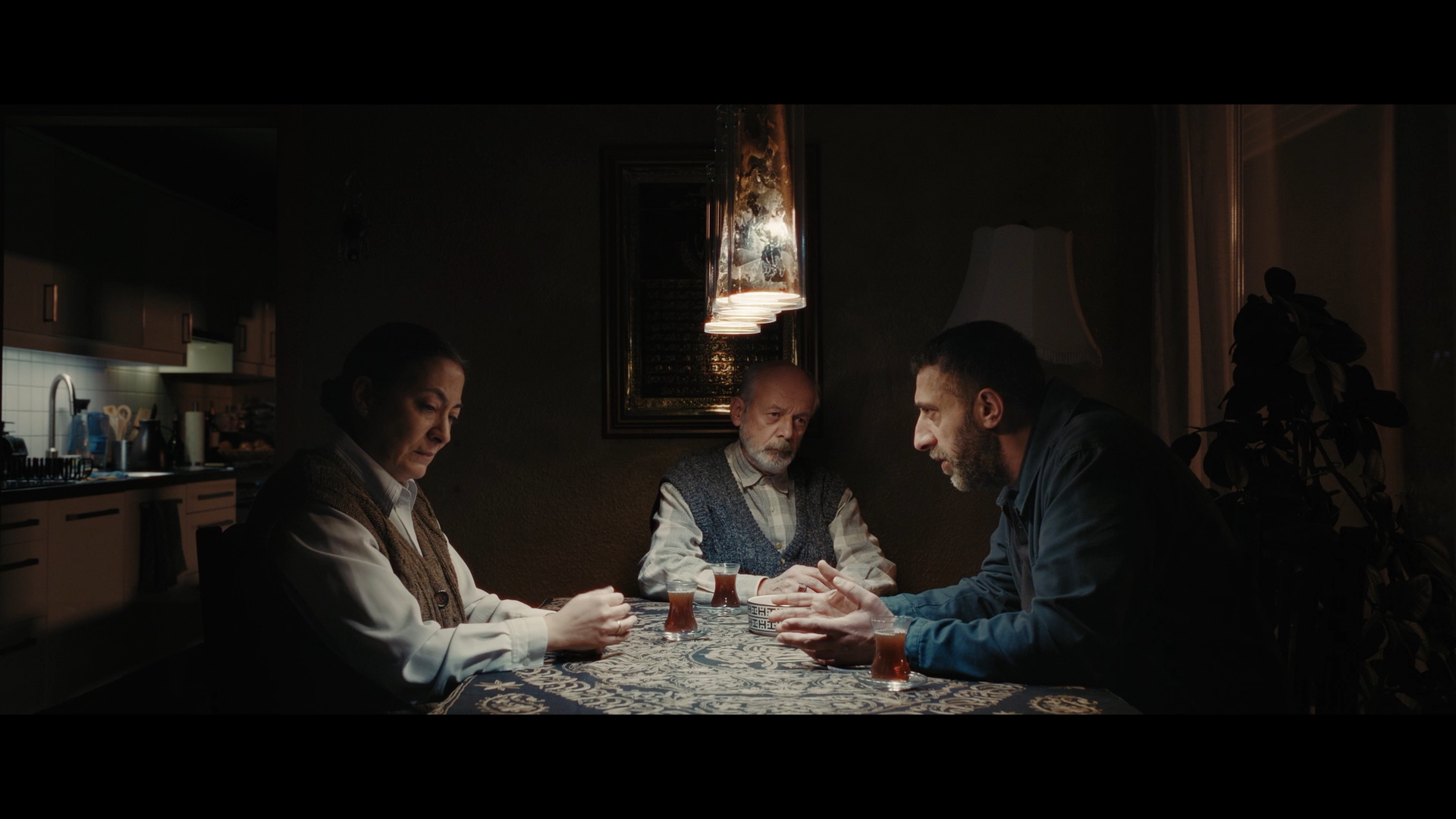
Nader Saeivar, a longtime creative collaborator of Jafar Panahi—the pair co-wrote “It Was Just an Accident” and “3 Faces”—arrives in the Crystal Globe competition with his fourth directorial work: “Hijamat.” Edited by Panahi, the film, seen through the eyes of its conflicted protagonist Murat (Kida Khodr Ramadan), considers the limits of queerness within a traditionalist Islamic culture. A ruminative work filled with silences that are both revealing and looming and built on the measured expressions of its lead actor, Ramadan, the film positions itself as a cinematic fight for internal peace.
“The Match”
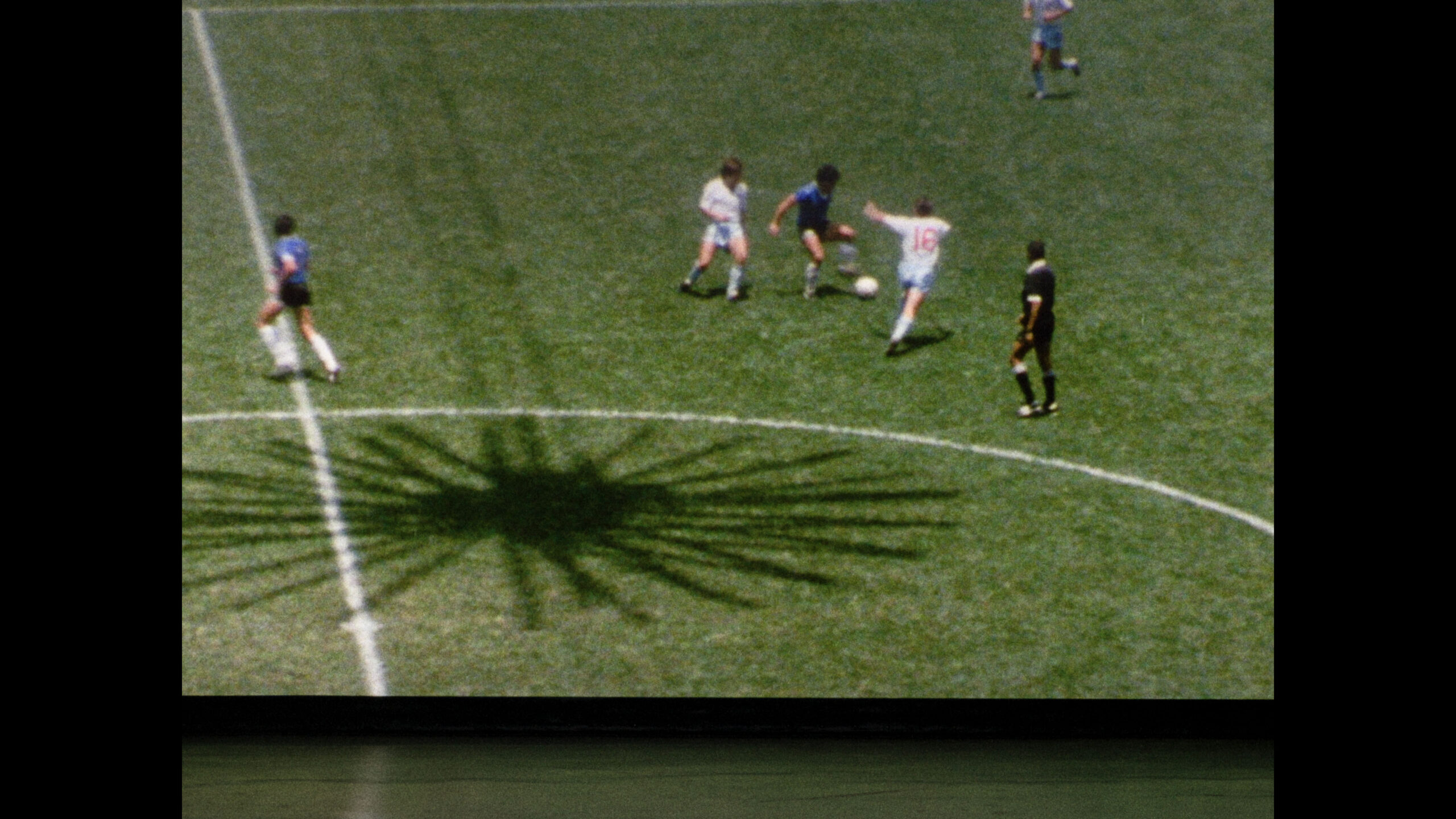
With the World Cup ongoing, Karlovy Vary is remaining on brand by screening Juan Cabral and Santiago Franco’s “The Match” as their opening night film. Cabral and Franco’s direct documentary employs the 1986 edition to the sporting event—when Maradona had his legendary ‘Hand of God’ goal—to dive into the impact the Falklands War had on Argentina. The sport, therefore, becomes a battleground where old geopolitical wounds can be healed and an unleveled playing field is rebalanced to heart pounding results.
“The Only Living Pickpocket in New York”
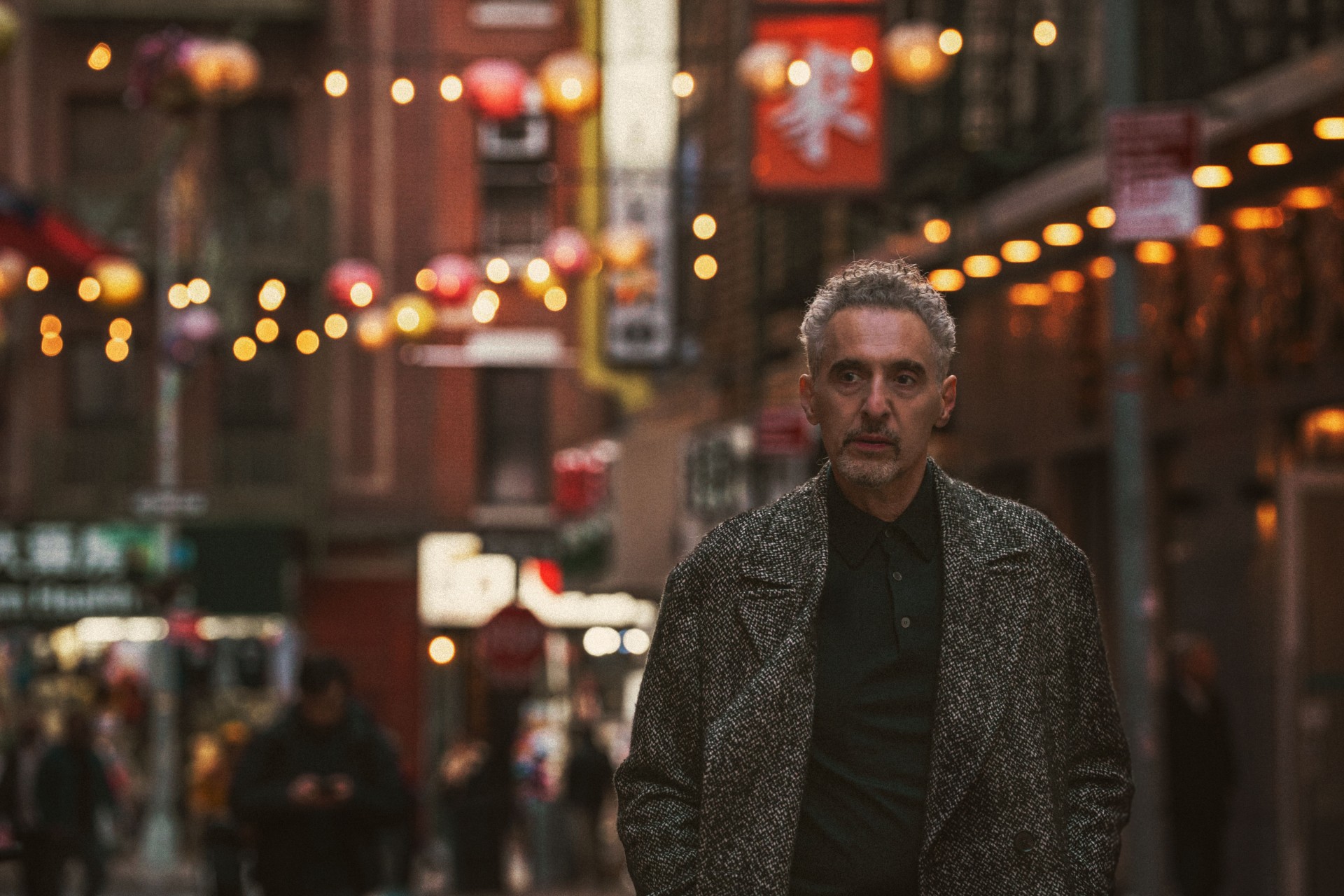
Some premises immediately catch your eye: In Noah Segan’s “The Only Living Pickpocket in New York,” John Turturro stars as a thief incarcerated since the 1980s, who upon release into a modern world, discovers his livelihood wholly altered. Re-teaming Turturro with past collaborators, like Steve Buscemi and Giancarlo Esposito, the reflective picture is a minor key interrogation of the passage of time.
“There’s a certain bleak finality to [the film] that serves Turturro’s acting style well. He… almost seems to relish being opposite former acting partners like Buscemi and Esposito, with whom he starred in one of the most essential New York films of all time: ‘Do the Right Thing.’ Looking at them again, almost four decades later, feels like a vision of a changing city, adding another grace note to a film that’s full of them,” wrote Brian Tallerico out of the film’s Sundance premiere. It’s KVIFF’s closing night film.
“Paris Paris”
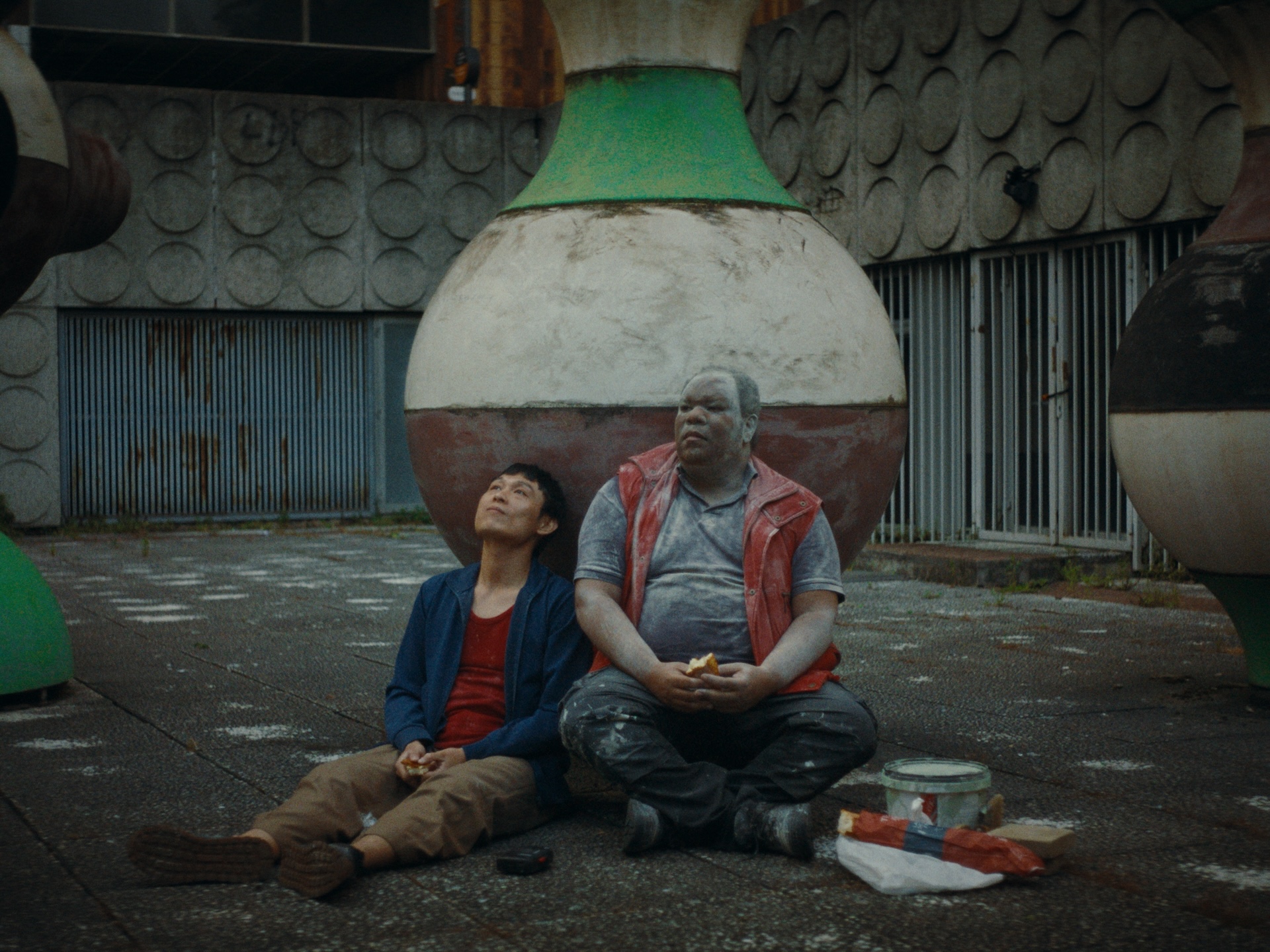
Premiering in the Proxima competition, Isabelle Tollenaere’s allegorical immigrant drama follows three men: Yi-En from China, Junior from Congo, and Hamzah from Palestine—as they traverse the cultural, economic, and language barriers they encounter in Paris. Consequently, the trio share a dilapidated apartment in a building set to be demolished, a metaphor of displacement that mirrors their journeys into a new country. Tollenaere’s ruminative conception of these characters and her dashes of magical realism further open a narrative that deeply considers the impermanence of creating a home when the one you’ve been forced from looms large in your psyche and in your heart.
“Robert Richardson: The White Devil”
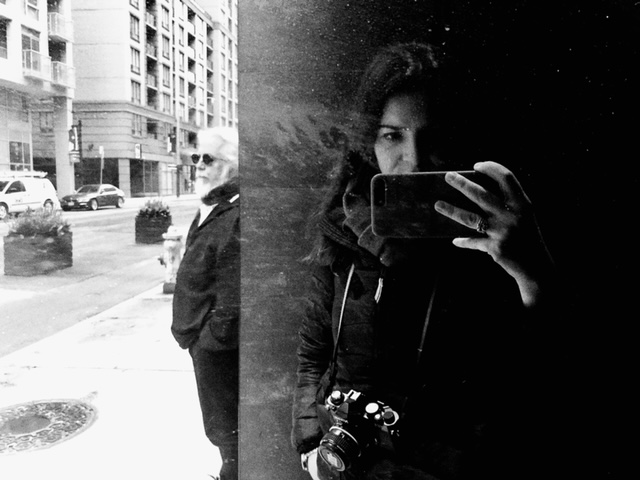
One of cinema’s great cinematographers has the camera turned on him. It all began when Jana Hojdova, a graduate of FAMU, reached out to Robert Richardson—the three-time Academy Award winner known for lensing “Platoon,” “JFK,” “The Aviator,” and more—to interview him for her master’s graduate project. To her surprise, he agreed. To her even greater shock, her interview request turned into an entire film. Hojdova diligently captures Richardson as he goes through his priceless archives of photos and storyboards and reveals parts of his life that had previously been unknown.
“Rose”
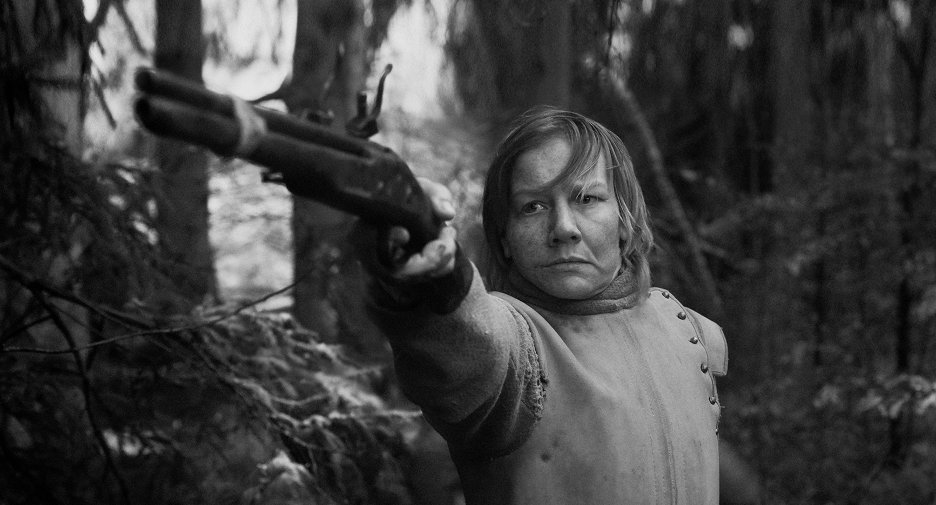
It feels like no one is riding a higher high than Sandra Hüller. While the German actress has always been well respected, garnering praise for “Toni Erdmann,” the double-hit of “The Zone of Interest” and her Oscar-nominated turn in “Anatomy of a Fall,” sent her into the stratosphere. In this year alone, she has starred in the box office smash “Project Hail Mary” and premiered Paweł Pawlikowski’s “Fatherland” at Cannes, and has Alejandro G. Iñárritu’s “Digger” still waiting in the wings. “Rose,” which premiered at Berlinale 2026, netting her the Silver Bear for Best Leading Performance, is a 17th-century set period piece that sees Hüller disguising herself as a male soldier and heir to an estate. It’s a shapeshifting role for an actress who appears capable of playing anybody.
“The Story of Documentary Film – 1980s”
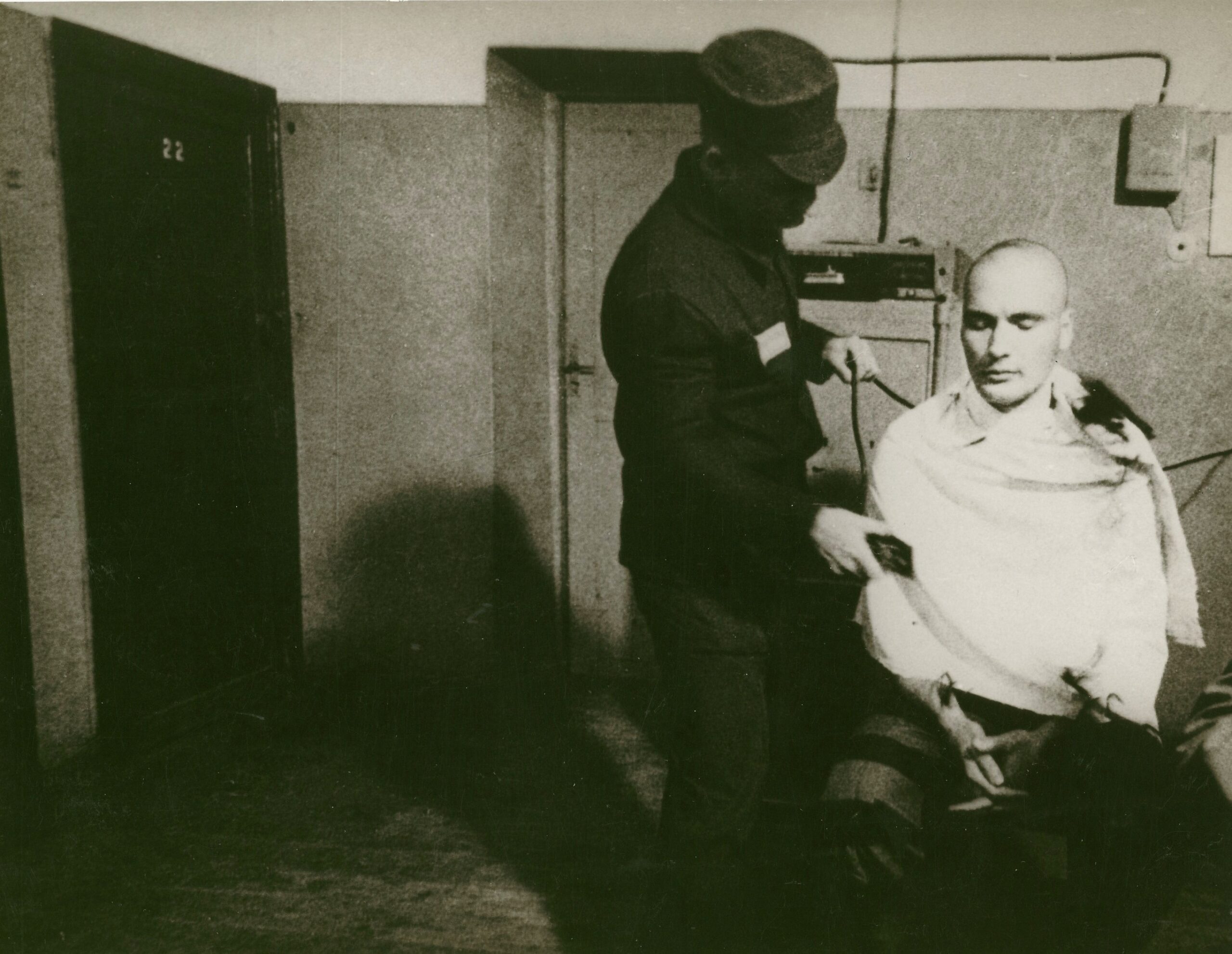
Northern Irish documentary filmmaker Mark Cousins is one of those hyper-active creators whose persistently evolving filmography causes you to wonder if they sleep. A couple of years ago his ode to British artist Wilhelmina Barns-Graham, “A Sudden Glimpse to Deeper Things,” took home the festival’s top Crystal Globe prize. This year, he’s back with a segment from his survey of the history of documentary film. While a previous part covering the 1970s premiered at Cannes 2026, KVIFF will host the section recalling the 1980s. His latest filmic essay figures to feature the hallmarks of his expressive style—from his poetic prose narration to his keen curiosity—and a wealth of new insights.
“Tainted Horseplay”
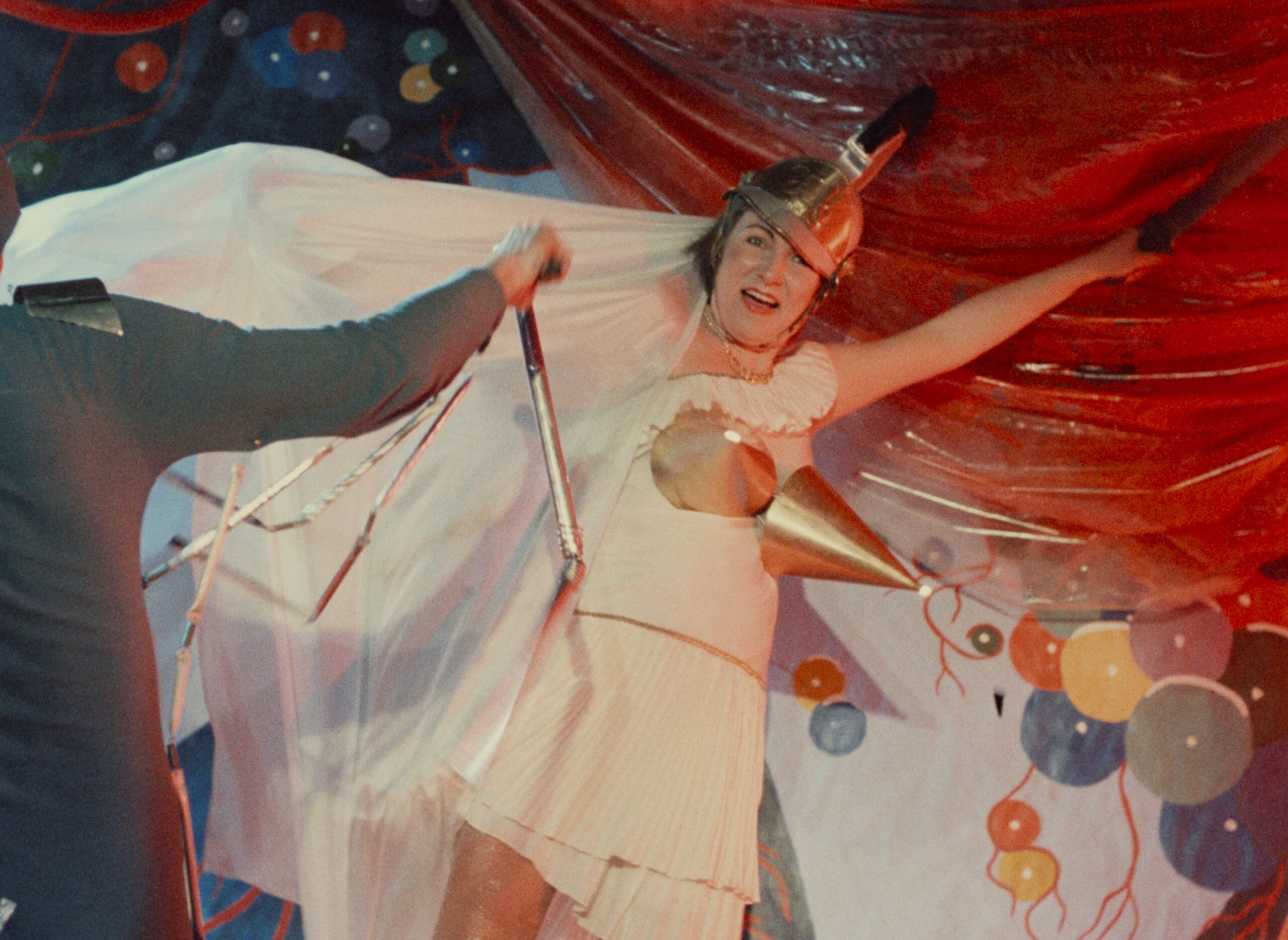
One of Věra Chytilová’s lesser-seen films, “Tainted Horseplay” (“A Hoof Here, A Hoof There”), is an oddball tragicomedy set in Karlovy Vary. It follows three friends who balance their lives by trading off mundane days for exciting sexually liberated nights. Their explicit fun is interrupted with the advent of AIDs. The touchy subject doesn’t deter Chytilová’s sense of frivolity and her love of poking at the male ego. Nor did it stop the Czech Republic (at the time Czechoslovakia) from submitting it for the 62nd Academy Awards. A digital restored version of the film is set to screen at KVIFF.