What makes K-drama storytelling distinct?
by Dramaddictally
Melo Movie
K-drama addiction is global and there seems to be no going back. Worldwide uptake of dramas increased over recent years, and everyone has their favorite theory about why – from Netflix productions that stream dramas in front of a whole new array of people to a pandemic that left most of us with a lot of time on our hands for new hobbies.
But those of us who have been getting our daily dose for a while now might have a different answer. It’s not just that more dramas are available, or that we have more time to consume, but that their particular mode of storytelling is one of a kind — and almost impossible to put down.
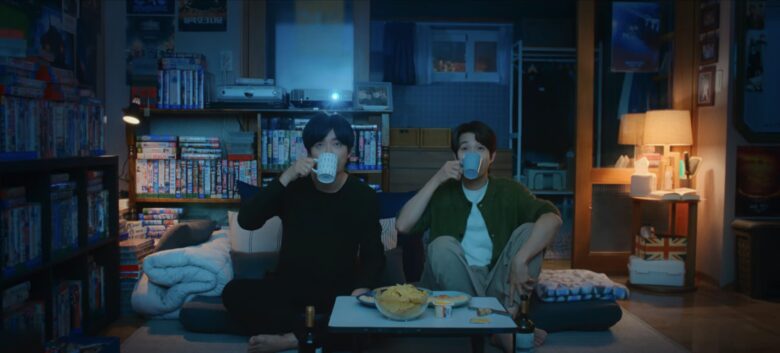
The Midnight Romance in Hagwon
Back in 2024, I had a chance to test this idea out in a somewhat more scientific way. I was giving a guest lecture about K-dramas to a department of Korean Studies masters students, and the theme of my presentation was: What makes K-drama storytelling distinct? I wanted to figure out — especially for someone who grew up on US pop culture (like me) — what is the particular pull of K-dramas that can’t be found in other media?
Now, the funny thing was that I was giving this talk at a university in South America, which meant we had a chance to compare and contrast. Did the Spanish-speaking students have the same take on why K-dramas are addictive?
We found out that, in fact, they did.
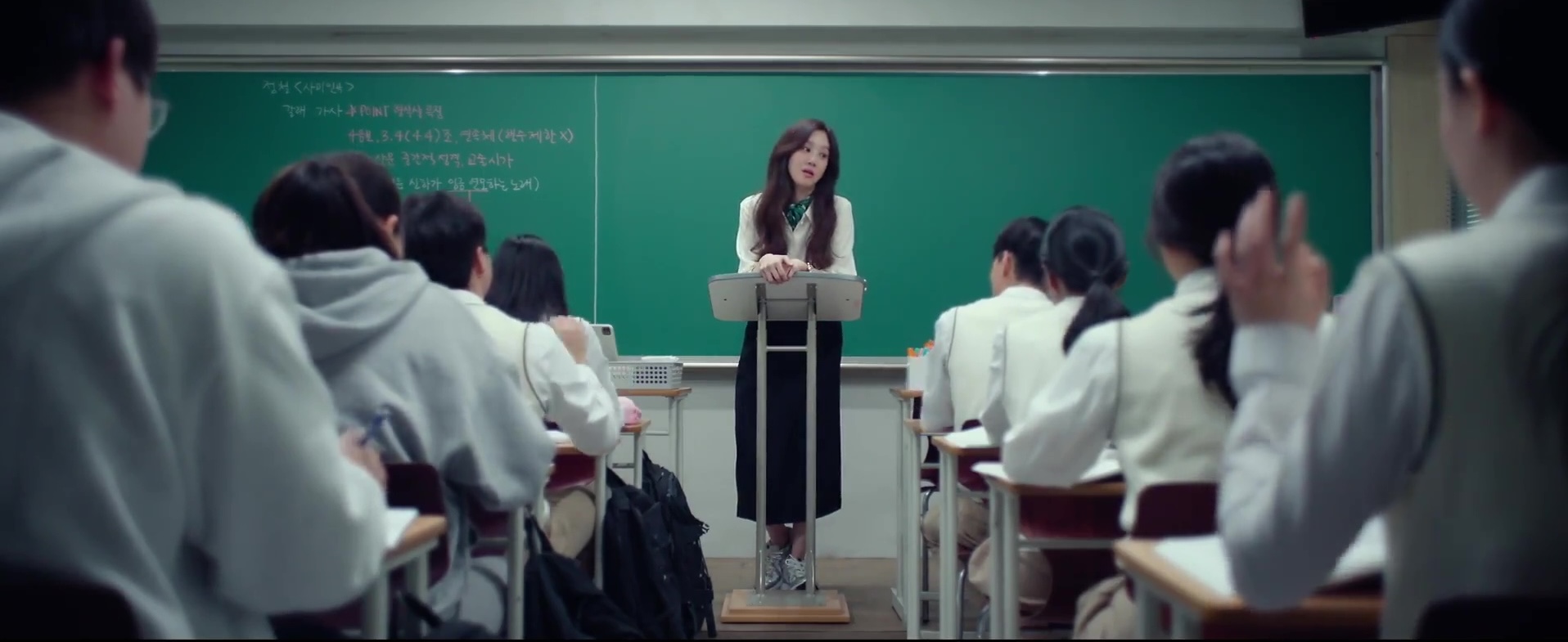
One Day Off
In my (only sometimes funny) lecture about common tropes in dramas, from noble idiots to noona killers, I mentioned that – since I’d been moving between three continents during the last decade – it was often hard to feel at home. This line resonated with the class immediately, and we landed on the fact that feeling a sense of “emotional home” in dramas was common for the group – even those who had never moved around.
Further, it was the emotionality of dramas themselves that gave us this at-home feeling. And that was the missing ingredient from the stories we’d grown up with, in both English and Spanish.

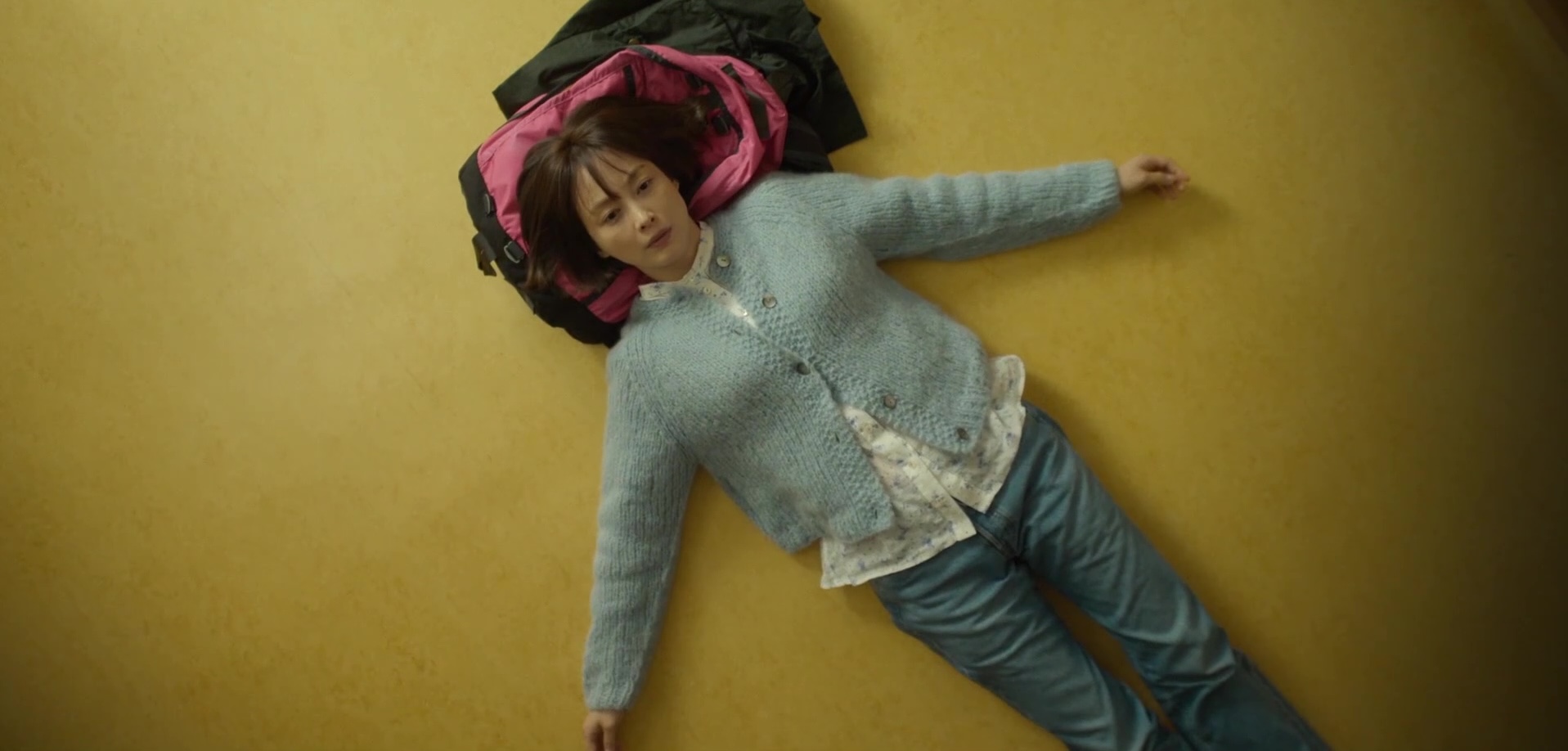
Yumi’s Cells 3
I was reminded of this 2024 talk recently when I was listening to author Jimin Han discuss her newest novel. She noted that modern dramas have dropped a lot of the things she remembered from when she was a kid (so much slapstick violence!), but that “the emotion is still there.” You find yourself sobbing because “the suspense is drawn out and they make you understand every little bit of it.”
She goes on to talk about how the length of dramas means you’re really invested in the story. And since, historically, there were no sequels, it’s all about maximum impact of feelings in those 20-or-so episodes.
This got me thinking about other parts of the K-drama craft that lead to such intense emotions – making us grip onto them for more. For example, there’s a kind of interiority in K-dramas, where we can get inside the characters’ heads, almost like a novel, that I haven’t seen so commonly elsewhere. Characters often speak their thoughts and feelings aloud — sometimes to the audience in voiceover and sometimes to the open air of the story — or we’re given diagrams to draw it out. But somehow, it works. Being explicit in helping us understand why someone hurts seems to also help us feel their pain.
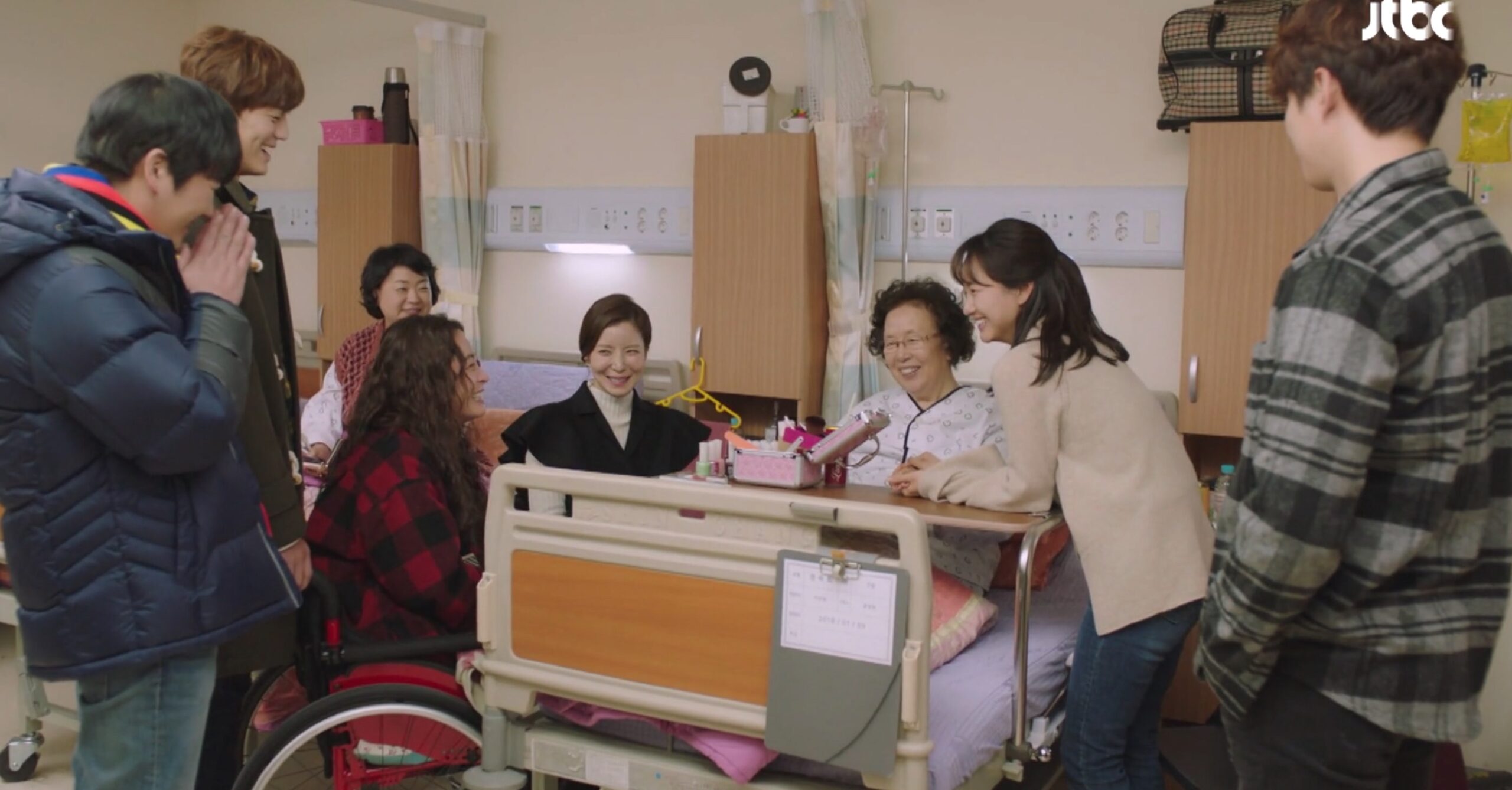
Just Between Lovers
This naming of emotion, the gunning for it, no matter how it’s achieved, is the essence of dramas. And I don’t think it’s only about feeling whatever a particular story wants us to feel, but that we see ourselves reflected in the smallest nuances of how people relate to each other — even in the most ridiculous of circumstances. No matter the setting or plot – or how unrealistic any happenstance may be – it’s the relationships that are center. And whether people handle each other with care or contempt, there is authenticity about it.
Of course, there are bad dramas. And dramas that don’t manage to pull this off. (To be labeled makjang isn’t generally a compliment, unless the tropes are being subverted.) And yet, the emotional intent is still there. So, why is this missing from other modes of storytelling? How had so many of us (in my sample from North and South America) had such a gap in our experience that needed to be filled?
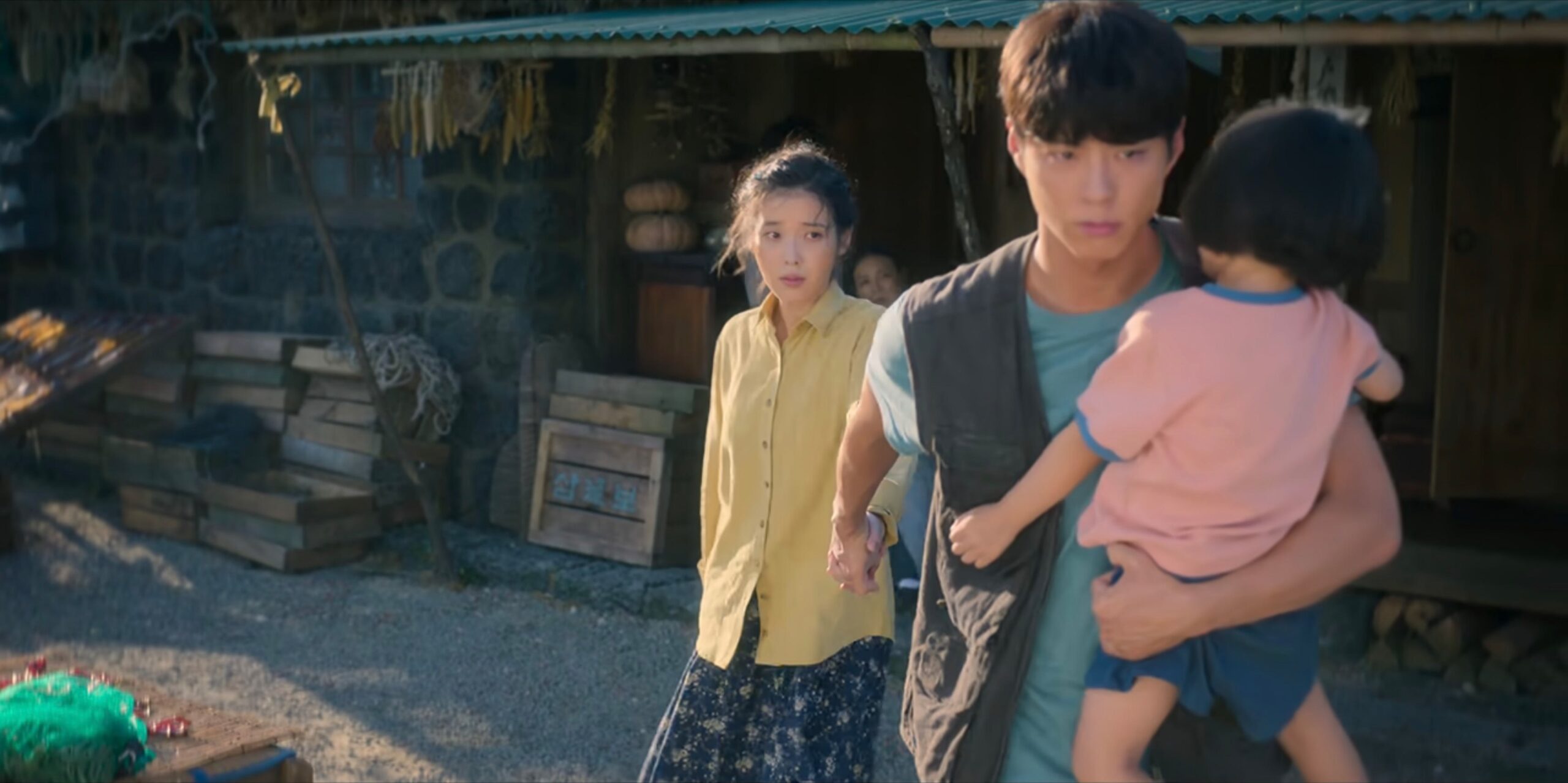
When Life Gives You Tangerines
My guess is that this would take multiple dissertations to answer, and I won’t claim to know more than anyone else. But what strikes me as important is how much we apparently needed to see our emotional selves mirrored on screen. When I finished my lecture with the Korean Studies class, I opened it up for comments, and then spent the next thirty minutes listening to stories of how simple acts of storytelling had changed people’s lives.
The class ranged in age from those that had just finished undergrad to those that were going back to school later in life. Some had dropped other disciplines and programs to be there — because Korean pop culture had made an impact on them. I heard about lost jobs, breakups, parenting, and other kinds of heartbreak — if not romantic, then the general kinds that life leaves us with.
I also heard about families, generations sometimes living in the same space, and how K-dramas could give them something to relate over. The emotional impact wasn’t limited by age or phase of life. And the heartbreak was helped by knowing it was shared.
That was my own story too – the one I started the lecture with – about how I’d found healing from a traumatic event by seeing survival on screen. But mostly, through the emotional storytelling of dramas, I’d found my home not in a place, but in a sense of belonging that I could carry with me, no matter where in the world I was.
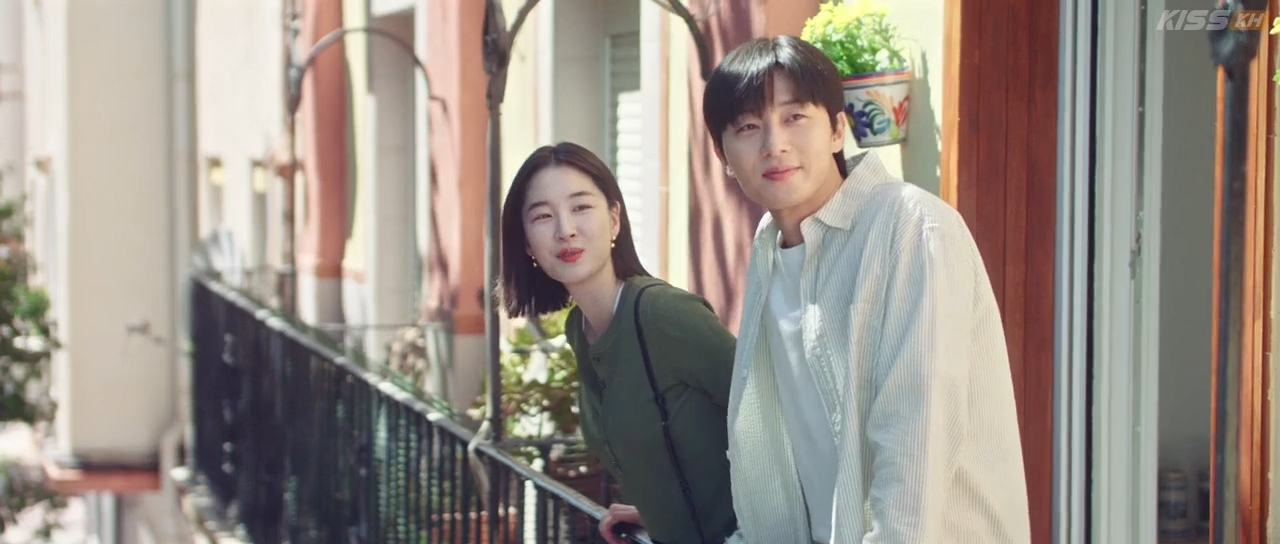
Surely Tomorrow
RELATED POSTS