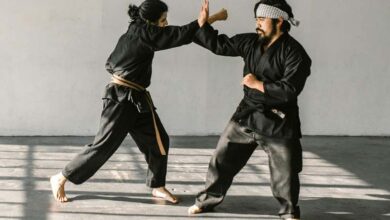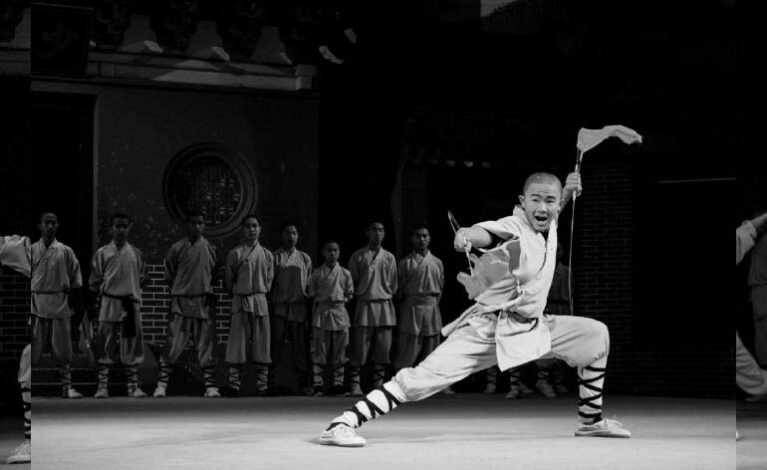
The body and attention should be prepared through a martial arts warm-up before class starts. Kicking, grappling, pad work, clinch drills, takedown entries, guard movement, and sparring rounds all demand different ranges, rhythms, and levels of control.
Rest gives the body time to recover from repeated rounds, grip pressure, kicking drills, and partner work. During downtime away from the mat, you may visit LadaDate, a dating website that helps people distract themselves, start conversations, and find love online.
Why Preparation Matters Before Contact Training
A useful warm-up raises body temperature, increases blood flow, and shifts focus from daily life into training mode. General fitness guidance commonly recommends 5 to 10 minutes of warm-up work before intense activity, with longer preparation before harder rounds. In martial arts, that base supports footwork, hip rotation, grip work, sprawls, frames, and partner timing.
Contact training also depends on timing, distance, and controlled reactions with another person. A student who starts class cold or distracted may rush entries, misread partner pressure, or move with poor balance during the first drill. Preparation gives the coach a safer point to build from before speed, resistance, and round intensity increase.
Building the Bodywide Warm-Up
The first phase should move from general warmth to martial arts-specific readiness. A class may begin with pulse raising, joint mobility, dynamic stretching, hip activation, and technical movement rehearsal. This order helps students feel stiffness, manage intensity, and follow coach-led progression before contact drills begin.
Pulse Raising
Pulse raising prepares the body for kicking, grappling, and sparring without jumping straight into explosive work. Light jogging, skipping, shadow footwork, stance changes, or mat-based movement creates a gradual rise in breathing rate. The aim is controlled readiness, not early fatigue before skill work begins.
A striking class benefits from upright rhythm, light bouncing, and controlled foot placement. A grappling class needs movement closer to the mat, such as low-level crawling patterns, hip movement, and base changes. The pace should build gradually so students enter partner drills alert rather than exhausted.
Joint Mobility
Joint mobility gives ankles, knees, hips, spine, shoulders, elbows, wrists, and neck a chance to move through comfortable ranges before speed increases. Martial arts places repeated demand on rotation, posting, framing, chambering, sprawling, and grip exchanges. Mobility work helps students check usable range before contact begins.
Useful mobility work stays controlled and connected to the class theme:
- Ankle circles help reveal stiffness before stance switches, pivots, and kick setup work.
- Wrist rotations prepare the hands for posting, framing, pad holding, and grip fighting.
- Thoracic rotations support turning during clinch entries, guard movement, and sprawls.
- Shoulder circles give early feedback before underhooks, frames, punches, and pummeling patterns.
Dynamic Stretching
Dynamic stretching uses movement instead of long static holds. In martial arts, active range matters because kicks, guard transitions, sprawls, and stance changes happen through motion. The goal is to prepare movement quality before speed, height, resistance, or contact increases.
Leg swings, hip openers, arm circles, walking lunges, and controlled knee lifts fit this phase. A kicker does not need maximum height at the start of class. Early range should support balance, clean retraction, hip control, and steady foot placement.
Dynamic work also helps athletes notice differences from side to side. One hip may rotate less freely, one ankle may feel stiff, or one shoulder may rise during overhead motion. A coach can use those observations to adjust the warm-up without turning class into medical assessment.
Hip Activation
Hip activation matters because martial arts uses the hips in nearly every phase. Round kicks, knees, level changes, guard retention, bridges, sprawls, sweeps, and stance recovery all rely on hip control. Glutes, hip flexors, adductors, and deep rotators help the leg lift, turn, retract, and support body weight.
Simple activation choices include glute bridges, band walks, controlled knee drives, and low-intensity hip switches. The movement should stay clean and repeatable. Students should feel the hips working before adding height, speed, pads, takedown entries, or partner pressure.
Activation also supports mat transitions. Grappling patterns such as bridging, hip escaping, technical stand-up patterns, and base changes depend on hip control. A coach-led sequence keeps the work linked to jiu-jitsu, wrestling, MMA, judo, or other grappling demands.
Warm-Up Areas
The main areas of a martial arts warm-up serve different purposes. Separating them helps students see why class starts with several low-level stages before pad rounds, takedown drilling, or sparring. The table connects each area with a movement type and training relevance.
| Warm-up area | Example movement type | Training relevance |
| Pulse raising | Light footwork or mat jogging | Raises breathing rate before drills and rounds |
| Joint mobility | Controlled circles and rotations | Checks usable range before striking or grappling |
| Dynamic stretching | Moving hip and leg patterns | Builds active range for kicks and stance changes |
| Shoulder preparation | Band pulls or scapular movement | Supports frames, grips, punches, and posting |
| Pattern rehearsal | Low-speed technical movement | Connects the warm-up to the class theme |
Preparing for Kicking, Grappling, and Sparring
The second phase should match the main demand of the martial arts session. Kicking work needs range, balance, and hip control. Grappling asks for neck awareness, shoulder readiness, grip preparation, and ground-to-standing transitions. Sparring adds timing, distance, pacing, and recovery between rounds.
Shoulder Preparation
Shoulder preparation supports punches, frames, clinch positions, pummeling, posting, and grip exchanges. The shoulder has wide movement range, so it needs control from the upper back, rotator cuff area, chest, and trunk. A rushed start leaves students stiff where motion is needed and loose where control matters.
Preparation should include scapular movement, light pushing patterns, band tension, and controlled arm paths. The purpose is readiness for martial arts pressure, not strength testing. In grappling, prepared shoulders help students frame, hand fight, and post without relying on sudden force.
Pad work and bag rounds also place repeated demand on the shoulder. Punch combinations, elbows, defensive shell positions, and guard recovery all involve repeated arm action. A gradual ramp gives the upper body time to adjust before speed, fatigue, and impact enter the class.
Neck Safety
Neck safety matters because grappling, clinch positions, sprawls, frames, and accidental contact all involve head placement. The neck should be treated as a sensitive area, not a place for aggressive stretching or partner pressure during a general warm-up. Controlled awareness is more useful than force.
A coach may use light nods, turns, isometric awareness, and posture checks during class preparation. The work should stay within a comfortable range. Students with pain, dizziness, numbness, or unusual symptoms need qualified support outside the training session.
Neck readiness also depends on behavior during martial arts movement. Looking away during partner drills, dropping the head under fatigue, or forcing posture during a scramble increases risk. Warm-up time should set a calm standard before live resistance appears.
Grip Preparation
Grip preparation supports gi grappling, no-gi hand fighting, clinch work, pad holding, bag carrying, and wrist control drills. Fingers, thumbs, wrists, and forearms fatigue quickly when class moves from warm-up into repeated holds. A gradual grip phase helps students feel pressure before harder exchanges.
Grip work should build readiness through varied hand positions:
- Towel squeezes introduce fabric pressure before gi grips or sleeve control.
- Finger extensions balance repeated closing with opening strength.
- Wrist circles reveal discomfort before posted hand positions.
- Light partner hand fighting adds timing before full pummeling rounds.
- Forearm shakes between rounds reduce unnecessary tension before the next exchange.
Grip preparation also helps with training judgment. A student who feels forearm fatigue during early drills should manage effort before sparring. Coaches use that information to adjust pace, partner pairing, or round length without treating fatigue as failure.
Sparring Intensity
Sparring intensity should rise in stages. Starting at full speed before movement quality appears creates avoidable chaos. A better martial arts class moves from technical rehearsal to controlled partner work, then to rounds that match the coach’s goal for timing, distance, balance, and decision-making.
Round preparation should include clear signals about effort. Light contact, positional sparring, limited targets, specific starts, and short rounds all change the physical demand. Recovery between rounds matters because fatigue affects balance, grip strength, head position, and reaction quality.
Several session controls help keep sparring aligned with training goals:
- A coach-stated intensity level gives partners the same expectation before the timer starts.
- Short first rounds reveal pace problems before fatigue accumulates.
- Specific starting positions keep the work connected to the class theme.
- Rest intervals allow breathing and posture to settle before the next exchange.
- Partner rotation reduces repeated mismatch stress during longer sessions.
- A final technical round lowers intensity before cooldown and review.
Kicking Range and Controlled Motion
Kicking range should develop gradually from low height to controlled working height. The goal is not to prove maximum flexibility during the warm-up. The useful target is an active range that allows balance, retraction, hip rotation, and foot placement before pad work or sparring distance appears.
Early kicking preparation should favor slow chambering, low-line motion, and stable return steps. This approach builds awareness before targets, kick shields, or partner movement enter the session. Students should avoid chasing height when the hip, knee, or lower back feels restricted.
Kicking also relies on the standing leg. An ankle that wobbles, a hip that shifts, or a torso that leans too early affects range and control. Coaches often use low-intensity repetitions to check balance before adding speed, contact, or tactical decisions.
Kicking preparation is most useful when it separates range from intensity. Low kicks help the hips warm without demanding full height, chamber pauses build control before extension, and slow retraction teaches the leg to return before balance breaks. Alternating sides also prevents one hip from carrying the whole preparation load.
Balance Checks
Balance checks help students notice whether the standing leg is ready before higher kicking work begins. A short single-leg hold, controlled knee lift, or slow return step shows how the ankle, hip, and trunk respond under light demand. These checks should feel calm, not competitive.
Poor balance early in class may point to stiffness, fatigue, rushed breathing, or uneven weight transfer. Coaches can use that information to lower the first kicking range, slow the pace, or add more controlled footwork. The aim is cleaner martial arts movement before speed or partner timing enters the session.
Common Warm-Up Mistakes
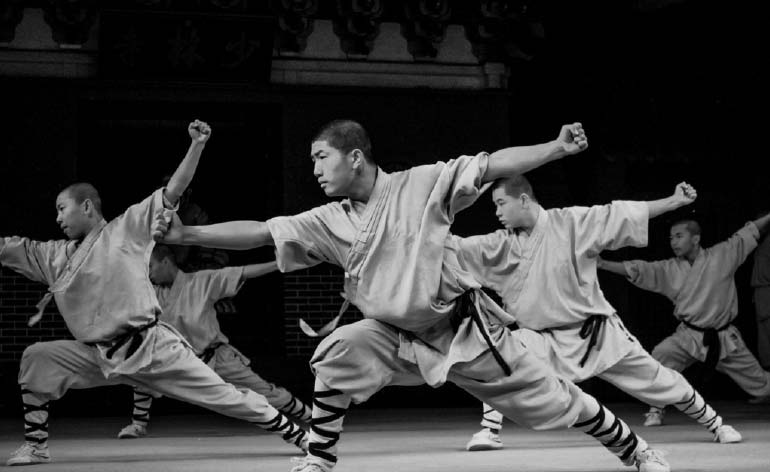
A poor martial arts warm-up is not always too short. Sometimes it is too hard, too random, or too disconnected from the class plan. Long conditioning blocks before technical work can drain focus, while casual stretching without pulse raising can leave the body unprepared for speed.
Another common mistake is treating every class the same. A karate or taekwondo session built around kicking range needs different preparation from a Brazilian jiu-jitsu class built around guard retention or a wrestling class built around level changes. Warm-up design should match the movement theme, partner demand, and expected intensity.
Skipping recovery cues is also a problem. Students may finish the warm-up breathing hard, then move into sparring without resetting posture, hands, and attention. A short pause for breathing control, coach instruction, and partner agreement keeps the next phase organized.
A Useful Checklist for Better Sessions
A checklist helps martial artists move from general warmth to session-specific readiness. It should stay simple enough for a busy class, yet specific enough to catch skipped areas. The best warm-up is the one that fits the training plan.
A practical checklist includes pulse, joints, dynamic range, activation, shoulders, neck, grip, kicking range, and intensity. It also includes attention. A student who is warm but distracted is not prepared for partner work, because martial arts training demands focus and communication.
Recovery between rounds belongs inside the same preparation mindset. Breathing control, relaxed hands, posture reset, water access, and coach feedback shape the next round. Rest is useful when it improves control and reduces sloppy movement.
Coaches add value by progressing the room together. A coach-led warm-up helps beginners avoid guessing and gives experienced students a shared pace. It also lets the coach watch movement quality before pairing students, choosing round types, or raising intensity.
No warm-up removes every risk from kicking, grappling, or sparring. Martial arts training still includes fatigue, timing errors, accidental impact, and individual limitations. Such routine helps reduce avoidable risk, improves readiness, and makes the first hard round feel like part of a planned session rather than a sudden shock.