Of all the sophomore seasons of television released in the last decade, “House of the Dragon” remains one of the most perplexing. While the acting was still on par with season one, the plot meandered with no sense of urgency or understanding of the work it was based on. With “A Knight of the Seven Kingdoms” bringing back critics and fans’ faith in adaptations of George R.R. Martin’s work, season three, which was publicly denounced by Martin in a Hollywood Reporter profile earlier this year, had some incredibly heavy lifting to do. And somehow, it mostly manages to pull it off.
The first episode of season three picks up immediately where season two left off; in the Vale, Rhaena (Phoebe Campbell) chases after the wild dragon Sheepstealer; Daemon (Matt Smith) slays enemies in his wife’s name with the help of Oscar Tully (Archie Barnes); Aemond (Ewan Mitchell) sits the Iron Throne in the wake of Aegon’s (Tom Glynn-Carney) disappearance; and Rhaenyra (Emma D’Arcy) gleefully tells her small council of Alicent’s (Olivia Cooke) promise to surrender Kingslanding to her cause. This doesn’t sit well with her council, especially her son Jacaerys (Harry Collett), and the notion that she met with the woman who orchestrated her defeat begins to fester in many of Rhaenyra’s allies.
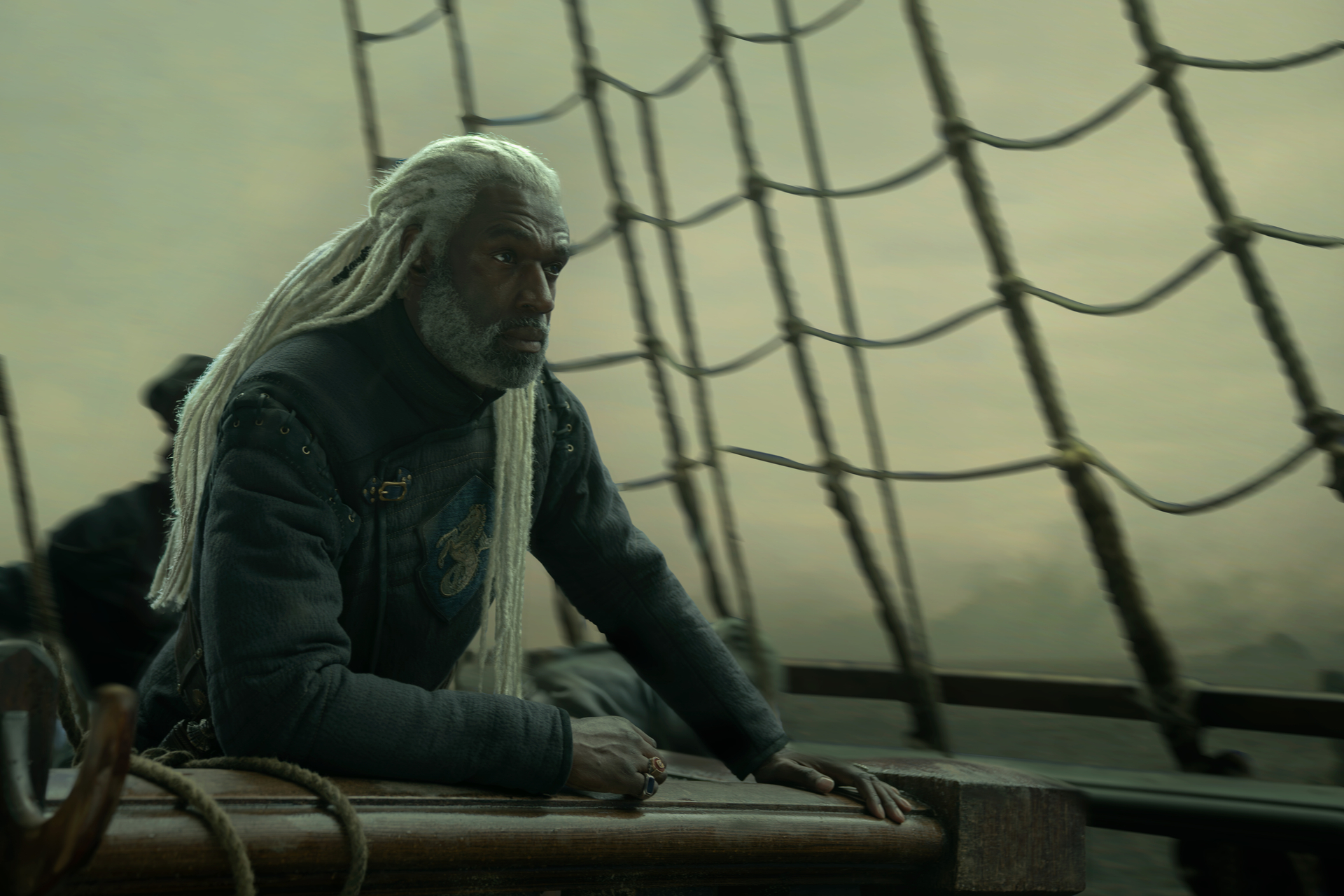
This festering grows until a pit begins to open up underneath the already tediously held together Team Black faction. The Greens and the war they ignited have left the kingdom in shambles, and Rhaenyra’s reputation and womanhood remain the most pressing points of contention surrounding her. When she wields a sword, her opponents laugh, and the streets of Kingslanding are furnished with writing declaring her the “Queen of bastards.” While she has been forced into an incredibly precarious situation, there are times when the choices Rhaenyra makes are questionable not only to the characters she shares the screen with but also to the audience.
With these complicated decisions, “House of the Dragon” finally begins to breathe some new life into the series. By allowing each one of its characters to make selfish and at times ludicrous decisions, the chaotic and warped points of view detailed in Martin’s “Fire & Blood” come to life. Unlike season two, these decisions are followed by fallouts that range from beloved character deaths to the alienation of the smallfolk, each of which is felt not only in the faction that they happen to, but around the realm. Secondary characters like Gwayne Hightower (Freddie Hightower) and Ulf the White (Tom Bennett) become our eyes and ears, showcasing to the audience what the world of Westeros looks like for everyone who isn’t a Targaryen or a Hightower.
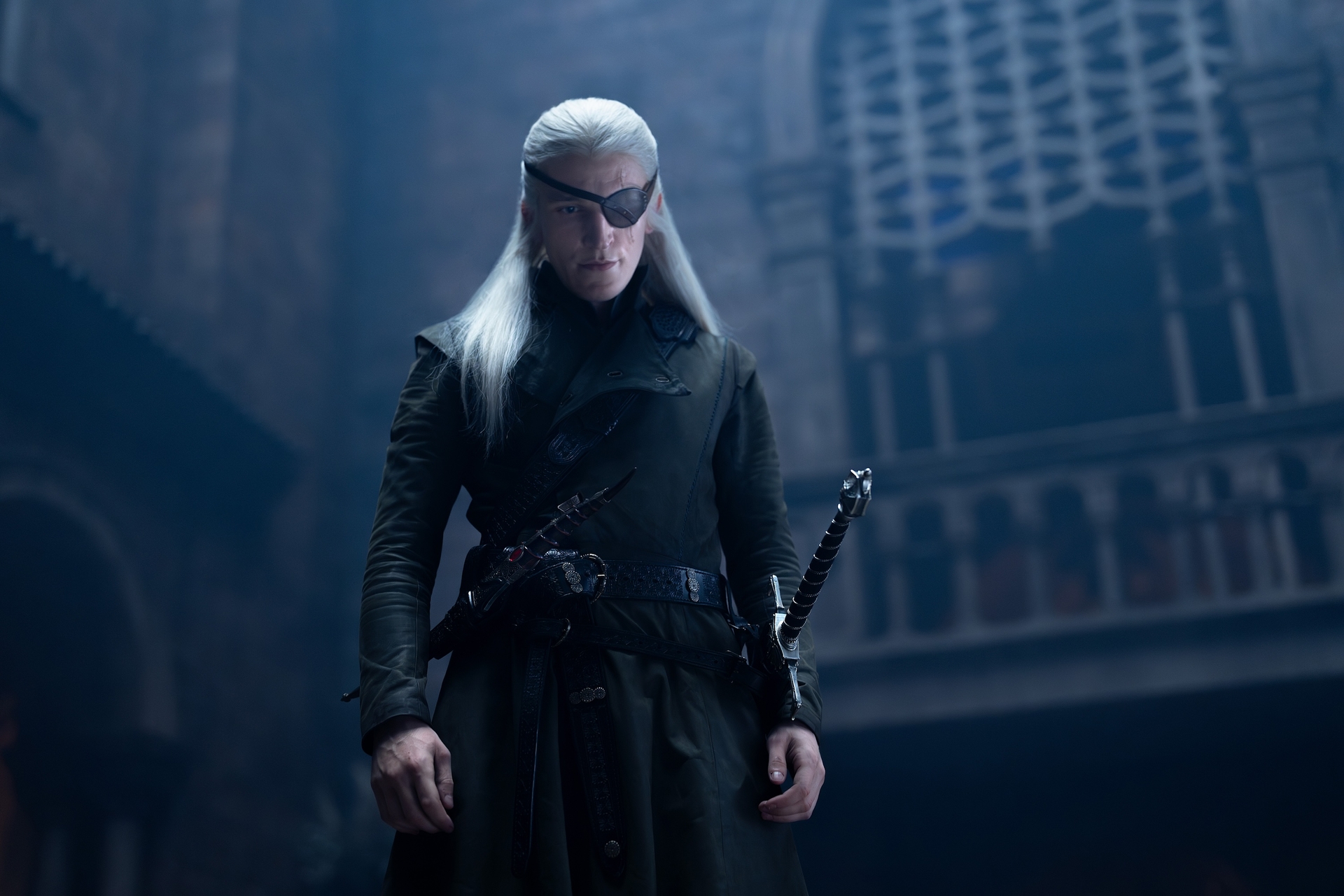
Still, the greatest tensions come from these royals, who, as the series progresses, feel like they’re inhabiting a medieval-set spin-off of “Succession.” The third episode of the season is a standout, with D’arcy showcasing some of their best acting yet as Rhaenyra attempts to reign in power before losing her grasp, and somehow managing to latch back onto it all in the span of an hour. At the center here is her relationship with Daemon, which remains one of the series’ most fascinating dynamics. After being separated for most of season two, they latch onto each other with a newfound desperation, as Daemon begins to fuel the fire that lies somewhat dormant inside Rhaenyra.
When he slays her opponents in front of her, she watches on with fascination, as the darkness inside of her comes closer to the forefront of her very being. With Daemon’s help, Rhaenyra is finally forced to enact the kind of violence that she previously condemned, and this engagement with it adds a fascinating layer to her character that has been missing. While she isn’t bloodthirsty by any means, she realizes that the world they live in is no longer one where she can be merciful. It’s not until she commits a direct act in the form of a beheading with her own two hands that she can finally harness this power. But with violence, of course, comes more adversity.
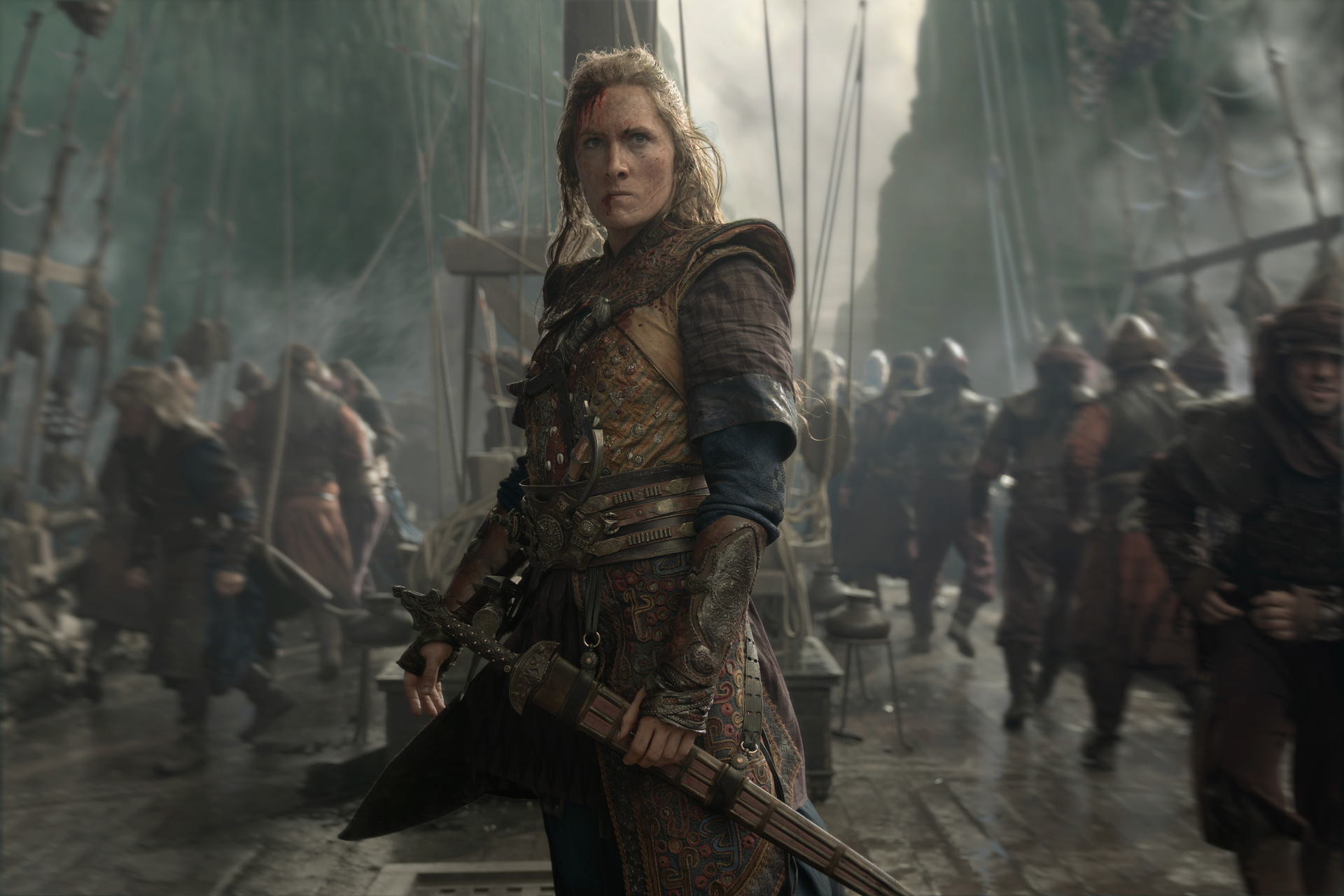
Each character in the series is forced to confront their actions, no matter how long ago they took place. Moves that looked politically savvy weeks, months, and even years ago come back to bite them, ushering in an era of war that is now impossible to rectify. Complaints of nothing happening last season have been remedied by Ryan Condal and Sara Hess, with naval battles and betrayals taking place right from the get-go, backed by a score by Ramin Djawadi that continues to propel the show to new heights. There seems to have been a realization in the writers’ room not only of what made the show so interesting when it premiered in 2022, but what made audiences stick with the series, even when it wasn’t deserving of their loyalty.
Thankfully, this adaptation is finally beginning to explore the core themes of Martin’s novels. While there are certain changes in character motivations that don’t necessarily work, the politicking that once felt lackluster actually has consequences, and watching these events unfold is more thrilling than ever. As the stakes grow, the show has managed to salvage its beating heart, allowing its characters to become fully realized, complicated versions of the husks who took up the screen in season two. Although they at times do not mirror the versions of these characters that existed in Martin’s original pages, “House of the Dragon” gives its audiences something exhilarating to chew on, even though it may initially be hard to swallow.
Four episodes were screened for review.