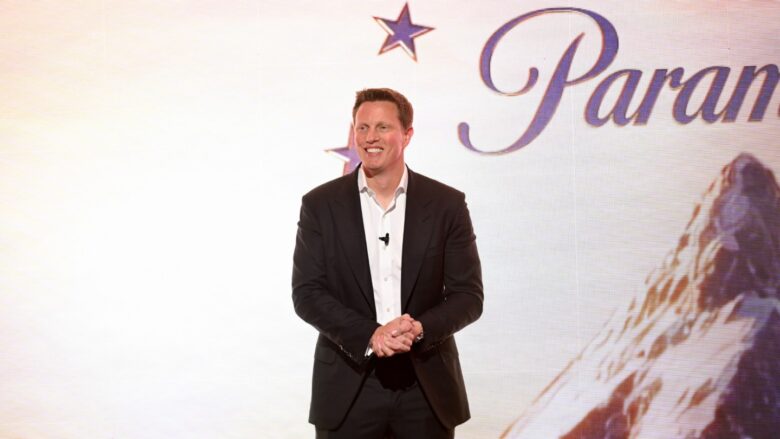
Paramount is inching closer to completing its $111 billion takeover of Warner Bros., a deal that will transform the studio into a theatrical and news behemoth.
The European Commission is expected to approve the merger ahead of an upcoming deadline to open an in-depth probe, reported the Financial Times on Wednesday. The greenlight will include a condition designed to address competition concerns in the distribution of films in international markets that Paramount “exit its joint venture with Universal Pictures,” according to two sources familiar with the situation cited in the story. A final decision hasn’t been made.
The approval follows competition cops in China and South Africa clearing the merger, according to securities documents filed on Monday and June 17.
“We have been engaged with all regulatory and law enforcement bodies in a constructive and transparent manner and will continue to do so,” said a Paramount spokesperson in a statement.
So far, antitrust enforcers in Saudi Arabia, Ukraine, Serbia and North Macedonia have found that the deal doesn’t violate antitrust laws. Regulators probing foreign investments from Gulf sovereign wealth funds in Germany, Italy, France, Romani, Slovenia, Belgium, Czechia, New Zealand and, most recently, Spain have also approved the merger.
Paramount has framed the deal as one that will boost competition in Hollywood, arguing it’s necessary to compete against tech giants like Netflix, Amazon and Apple.
“As we work constructively around the world, regulators understand the procompetitive force of this transaction and that delayed approval means tech monopolies win and consumers, talent and workers lose,” posted Paramount legal chief Makan Delrahim last week.
The Justice Department ultimately agreed with the studio’s posture on the merger when it signed off on the deal earlier this month. “In technology-driven industries, the disruptors of the recent past may quickly become the entrenched monopolists of the present day,” it said. “It is with this historical experience and present enforcement sensitivity to the contestability of dynamic markets that the Division conducted a thorough investigation of the proposed transaction to assess whether the proposed transaction presented any harm to competition.”
A key finding from the agency: the acquisition will “increase competition across the media and entertainment ecosystem,” the Justice Department’s Antitrust Division said in the announcement. The agency found that markets for streaming, linear TV and the development, production or distribution of films for theatrical release will not be harmed, concluding that no divestitures, behavioral remedies or concessions are necessary.
The greenlight and absence of concessions have magnified speculation of President Trump putting his thumb on the scales for David Ellison’s plans to assemble a media conglomerate. His father, Oracle scion Larry Ellison, has leveraged a close friendship with Trump to aid that effort.
Per a report from The Wall Street Journal on Wednesday, Larry Ellison gave roughly $45 million to a political nonprofit group supporting Trump’s election in 2024. More recently, he’s given millions of dollars more to groups that support Trump.
Completion of the merger will reshape Hollywood, with Paramount becoming the largest theatrical distributor in the country and a media giant.
Still, a coalition of states led by California wait in the wings to challenge the deal. A lawsuit, which will be joined by New York, Colorado, Oregon, Nevada, Washington, Connecticut and Tennessee, aiming to block the merger is expected to be filed within a month, a source familiar with the situation has told The Hollywood Reporter.