The Scarecrow: Episodes 11-12 (Final)
by solstices
Shining light on truths that should never have remained buried for as long as they did, this incisive narrative urges us to confront the injustice brought about by complacency and corruption. The Scarecrow ends off just as strong as it started, delivering an emotional and timely message that lingers long after its curtain call.
EPISODES 11-12 (FINAL)
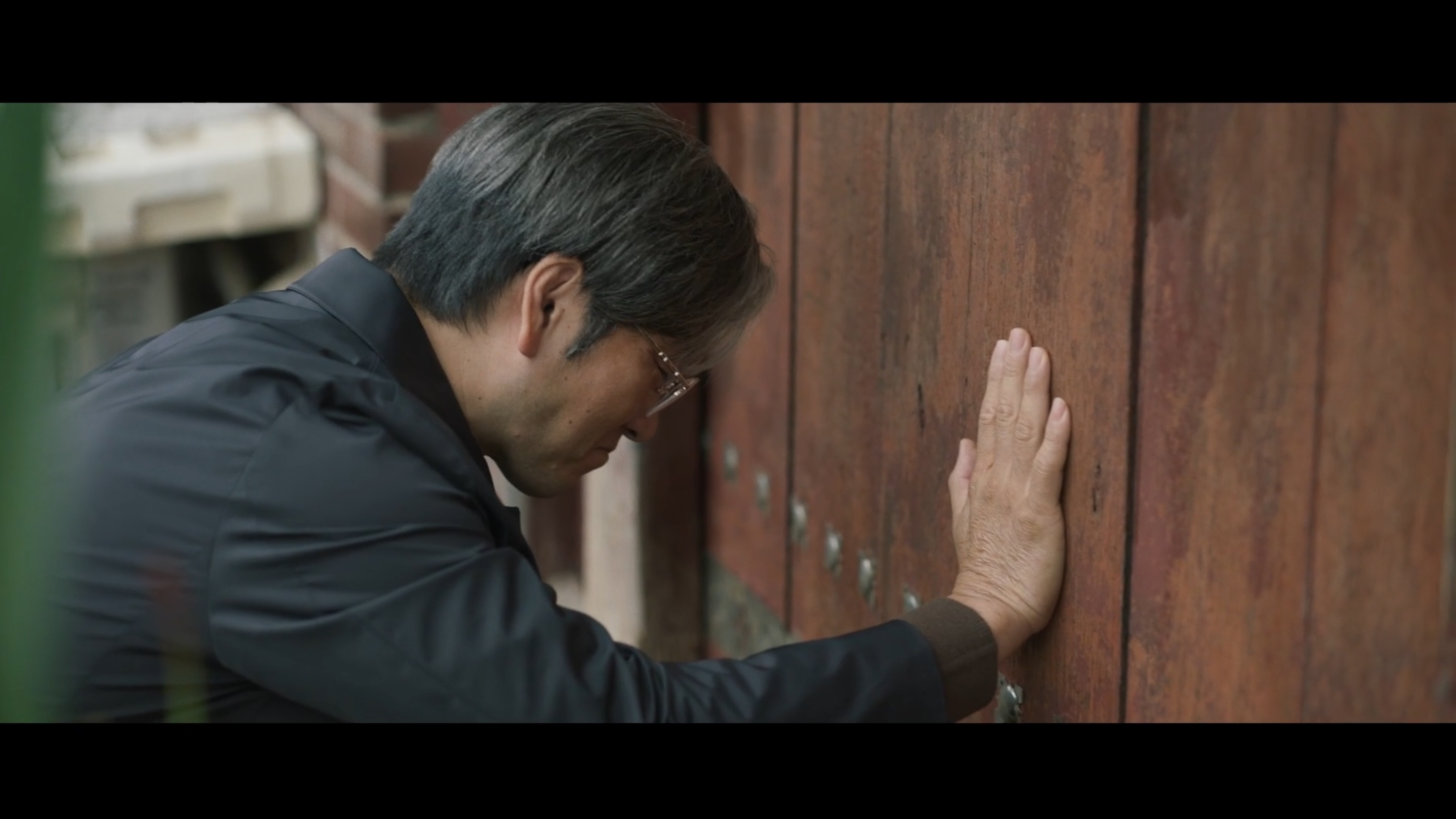
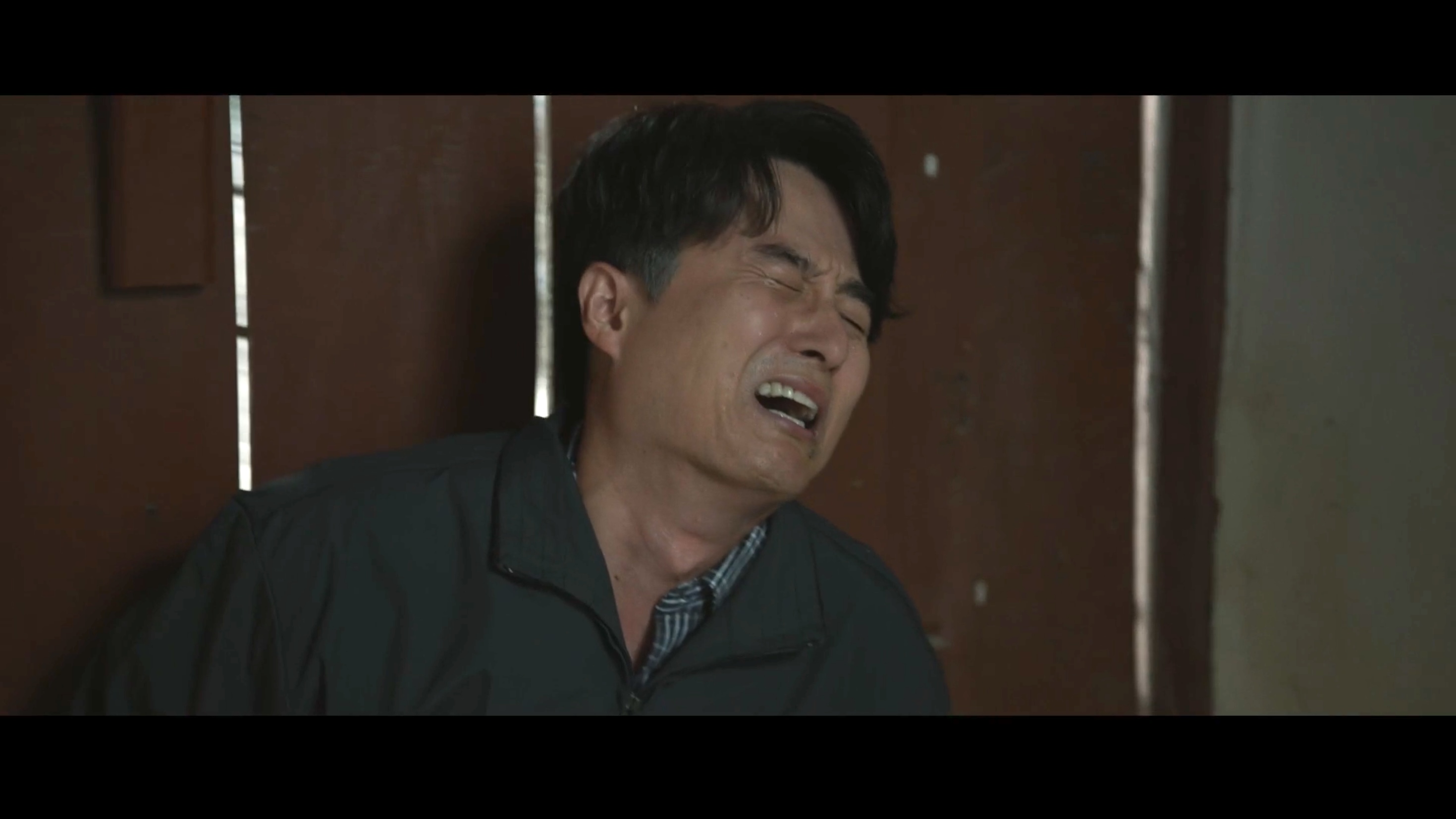
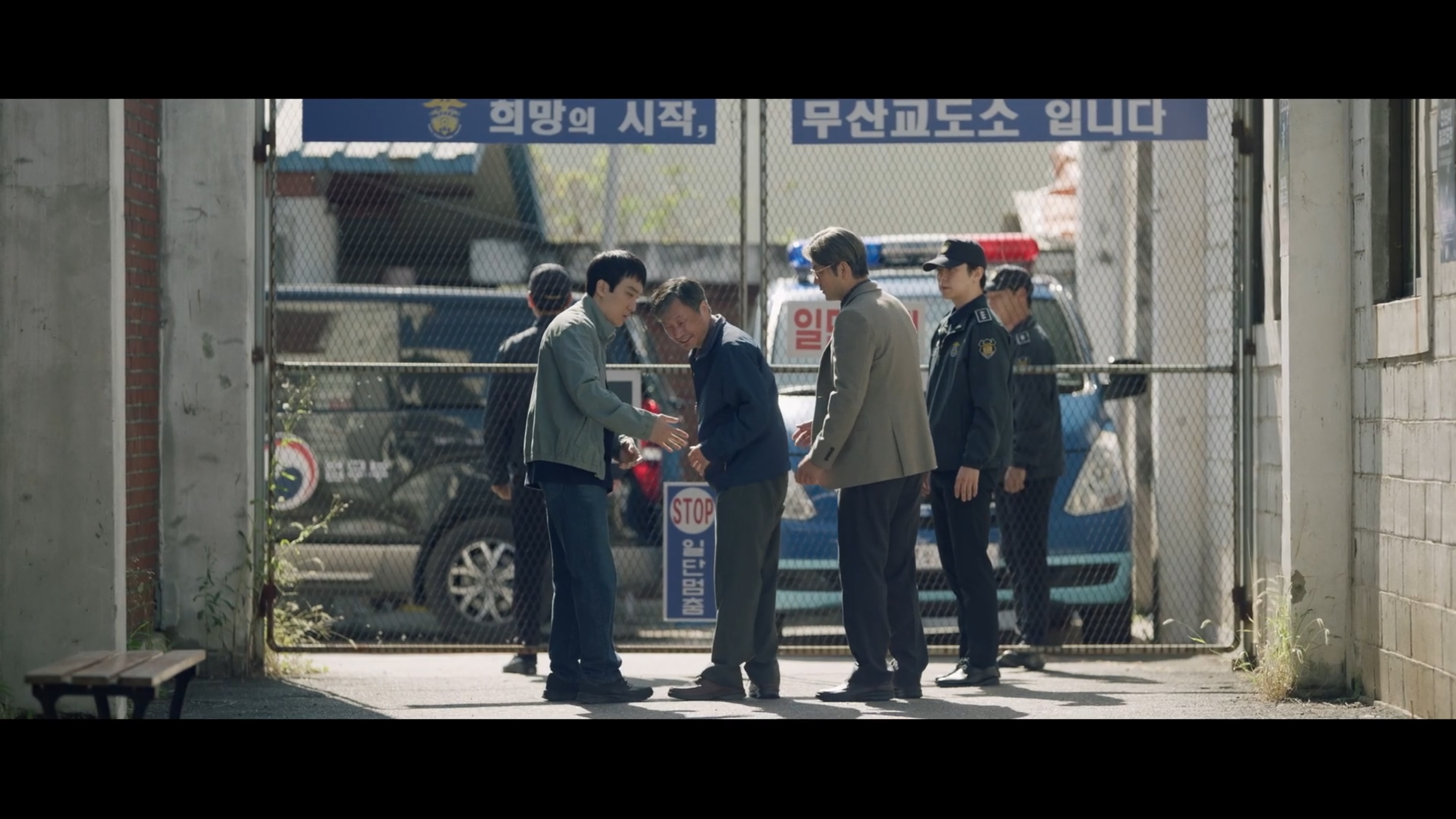
With Ki-hwan’s confession, it’s now time to pick up the pieces of the past and make amends. In the present day of 2019, Seok-man (now played by Jeon Seok-chan) is barely making ends meet amidst the cruel ableism and blatant disdain for his ex-convict status. When Tae-joo tells him about the true killer’s confession, Seok-man breaks down in despairing sobs. What use is Tae-joo’s apology now, when it’s far too late? Seok-man will never be able to regain his family, or his friends, or his bygone youth.
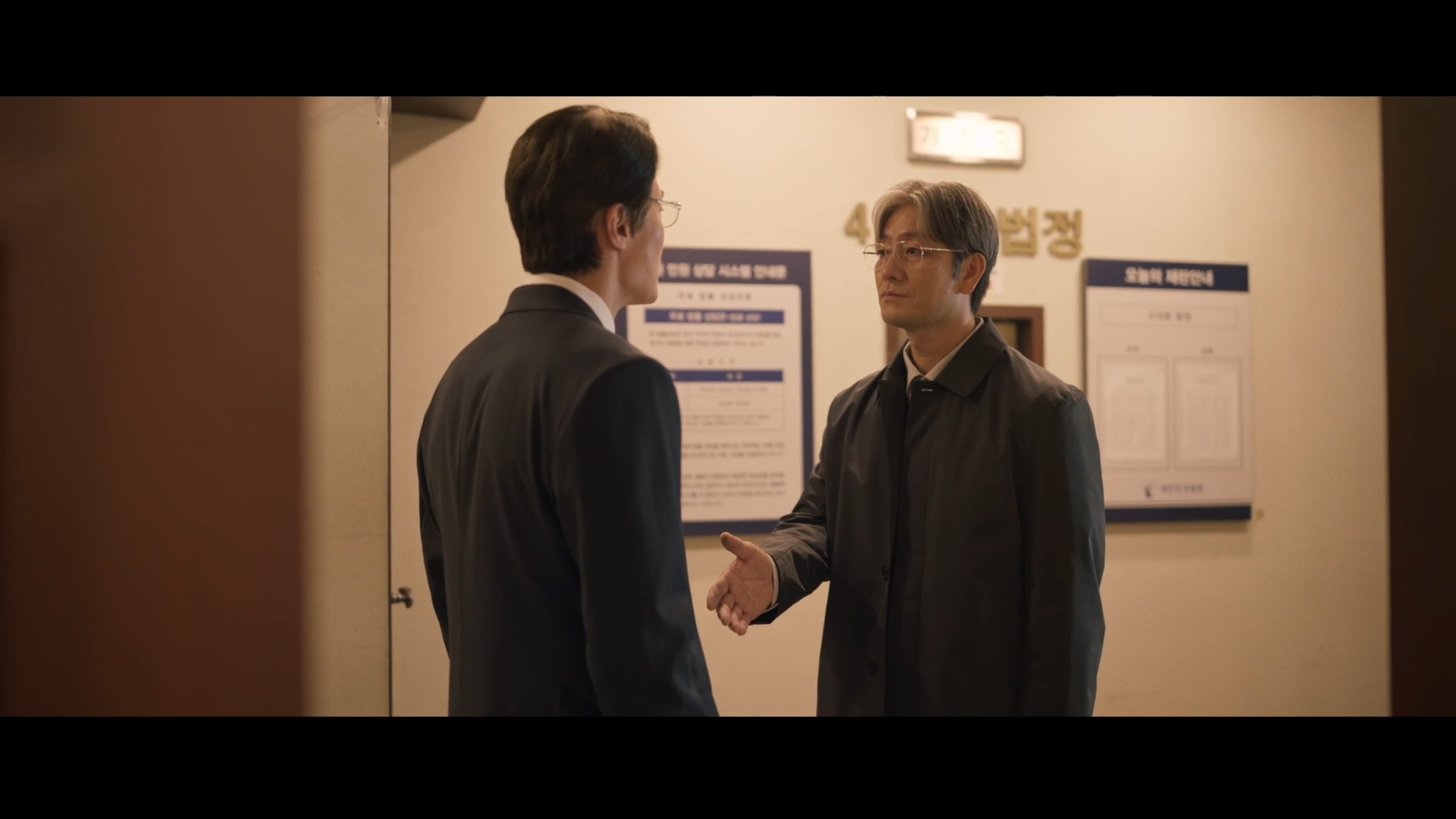
After Seok-man’s grief has subsided, Tae-joo urges him to file for a retrial. That’s how they end up consulting the retrial attorney CHA YEON-HO — yay, Lee Min-ki cameo! — in the Cha Yeon-ho Law Office, hee. Out of the four key perpetrators of the forced confession, the two abusive detectives have already retired. Shi-young, as we all know, has since become an assemblyman.
As for Dae-ho, he’s risen through the ranks to become the police commissioner (Park Won-sang). Alas, he’s been in cahoots with Shi-young all this time. A flashback reveals that Shi-young had pressured Dae-ho into keeping mum about Hye-jin’s case, or taking the fall alone. And after selling his conscience once, it’s easy to do it over and over again, chipping away at the diligent and righteous spirit that Dae-ho once had.
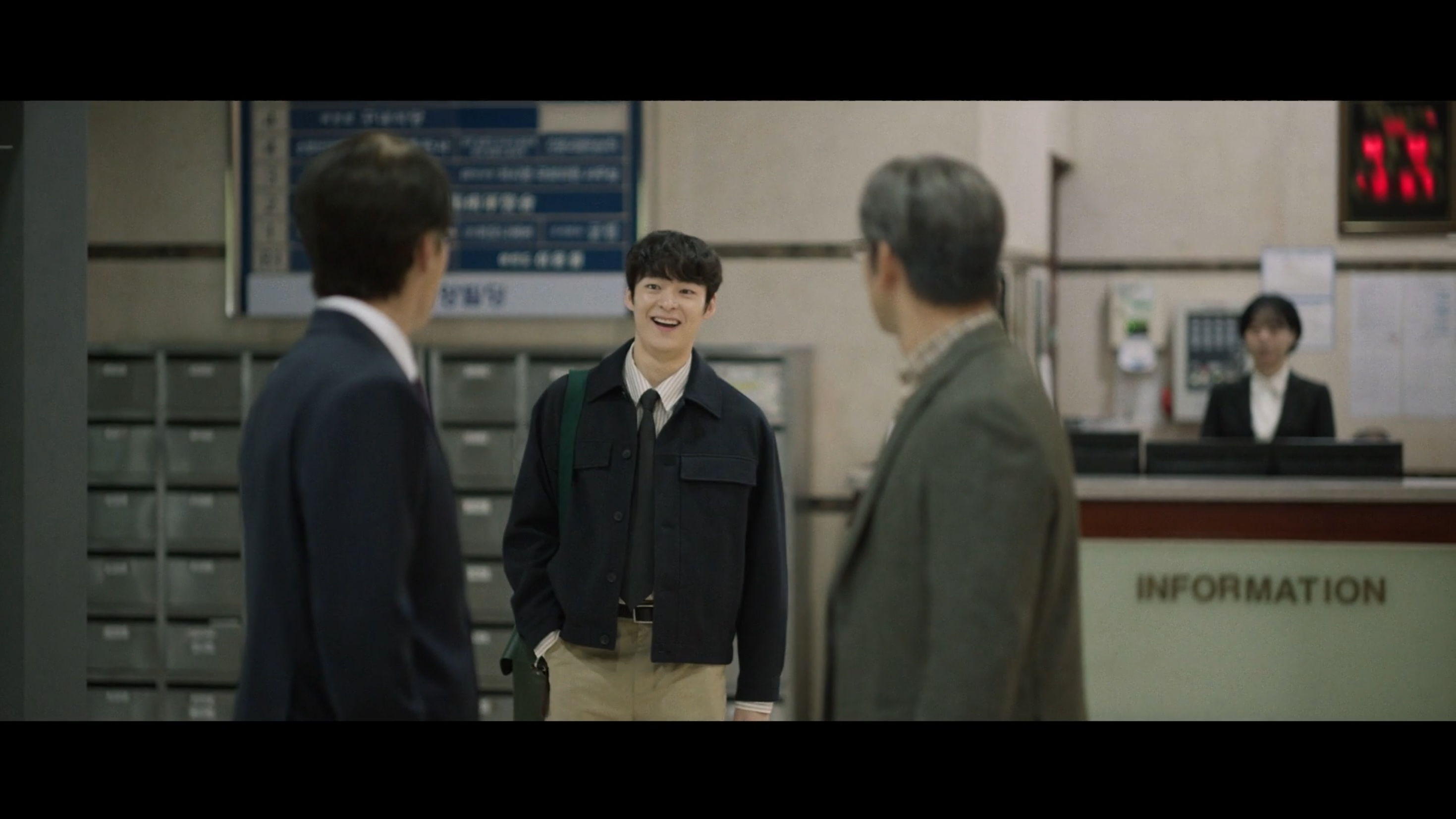
For the first time in a long while, Tae-joo approaches Shi-young, informing him of the confession and prompting Shi-young to own up to his deeds in Seok-man’s and Hye-jin’s cases. But they’re interrupted by an excited voice. “Uncle!” says the spitting image of Ki-beom, running to Shi-young’s side. He’s CHA YOUNG-BEOM (also played by Song Geon-hee), in a sweet portmanteau of his parents’ names, and he’s a big fan of Tae-joo’s criminal profiling work. Aww.
Rewinding back, it turns out Soon-young walked out on the Cha family upon realizing that Shi-young was her half-brother. But she’d gotten into a car accident, and the only person who could save her was the neurosurgeon that Assemblyman Cha called in. Tae-joo fell to his knees to plead for his sister’s life, and in exchange, Assemblyman Cha forced him to leave the country and cut ties. That’s how Soon-young woke up from her coma with her brother already in America, and with no one else to rely on but the Cha family.
In the present day, Young-beom is a rookie reporter working under Ji-won, who’s now the director of a news agency that’s covering the serial murders. And so Ji-won finds out the culprit is Ki-hwan in the worst possible way, from the mugshot in the case files. Oof.
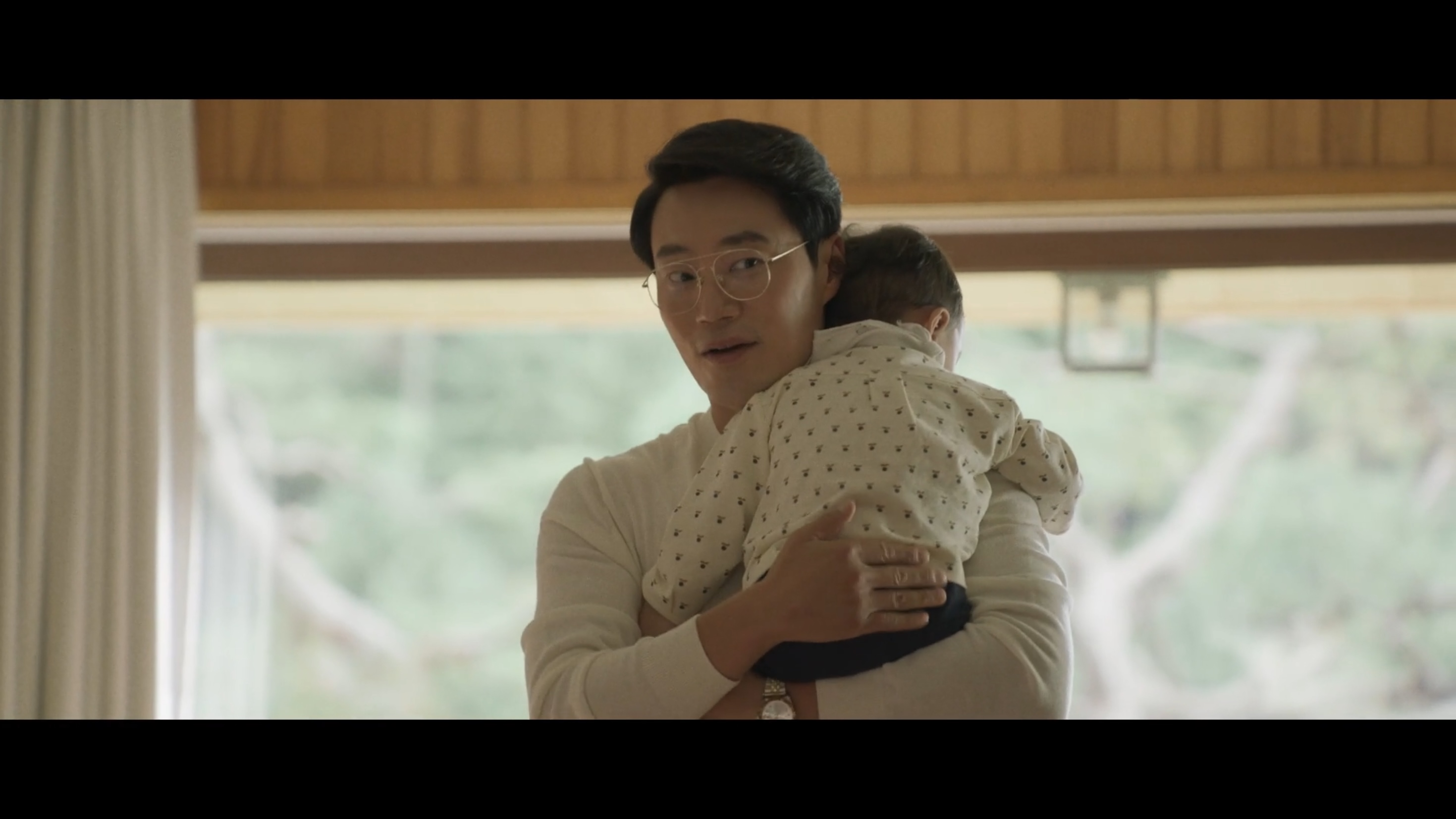
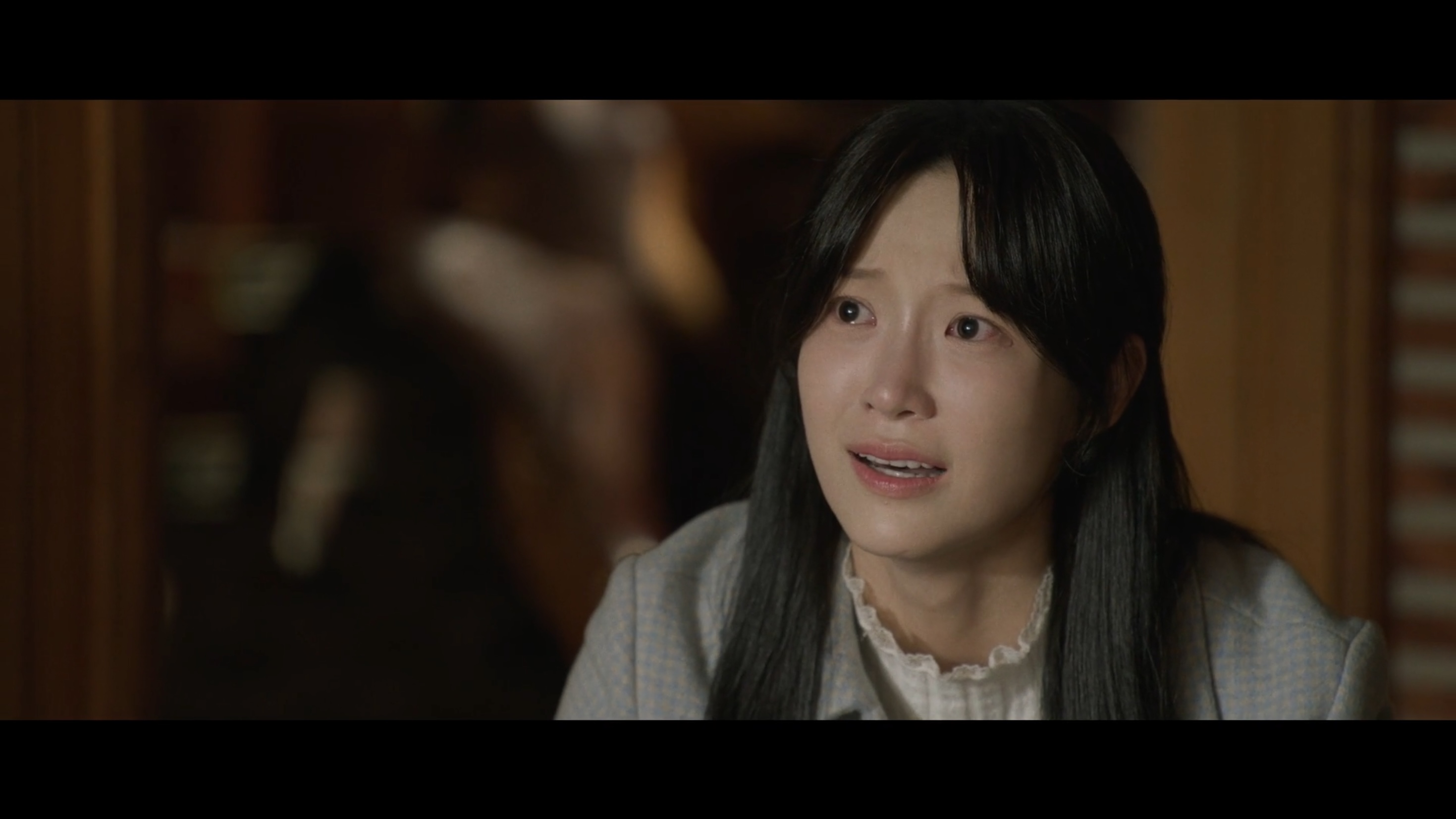
As for Young-beom, the case research leads him to the news articles that framed Tae-joo as the violent cop responsible for Ki-beom’s death. That’s how Yeong-beom finds out that his father died from police brutality, not a car accident like he’d been told.
When Soon-young (now played by Do Ji-won) learns of this from Shi-young, she reaches out to Tae-joo for the first time in three decades. In the year that it took for Soon-young to recover from her coma, Shi-young became a father figure to the infant Young-beom. As such, Soon-young wants Tae-joo to continue taking the fall, in order to protect Young-beom from the ugly truth of his uncle’s misdeeds. For Tae-joo, who has always put his sister first, it’s an easy agreement.
I’m not quite pleased with the drastic turn that Soon-young’s character took, but I do like what it does for Shi-young and Young-beom’s relationship. We see just how fulfilled Shi-young is to have someone look up to him so wholeheartedly, without being compared to others for once. But of course — Shi-young being who he is — he doesn’t know how to appreciate it until it’s too late.
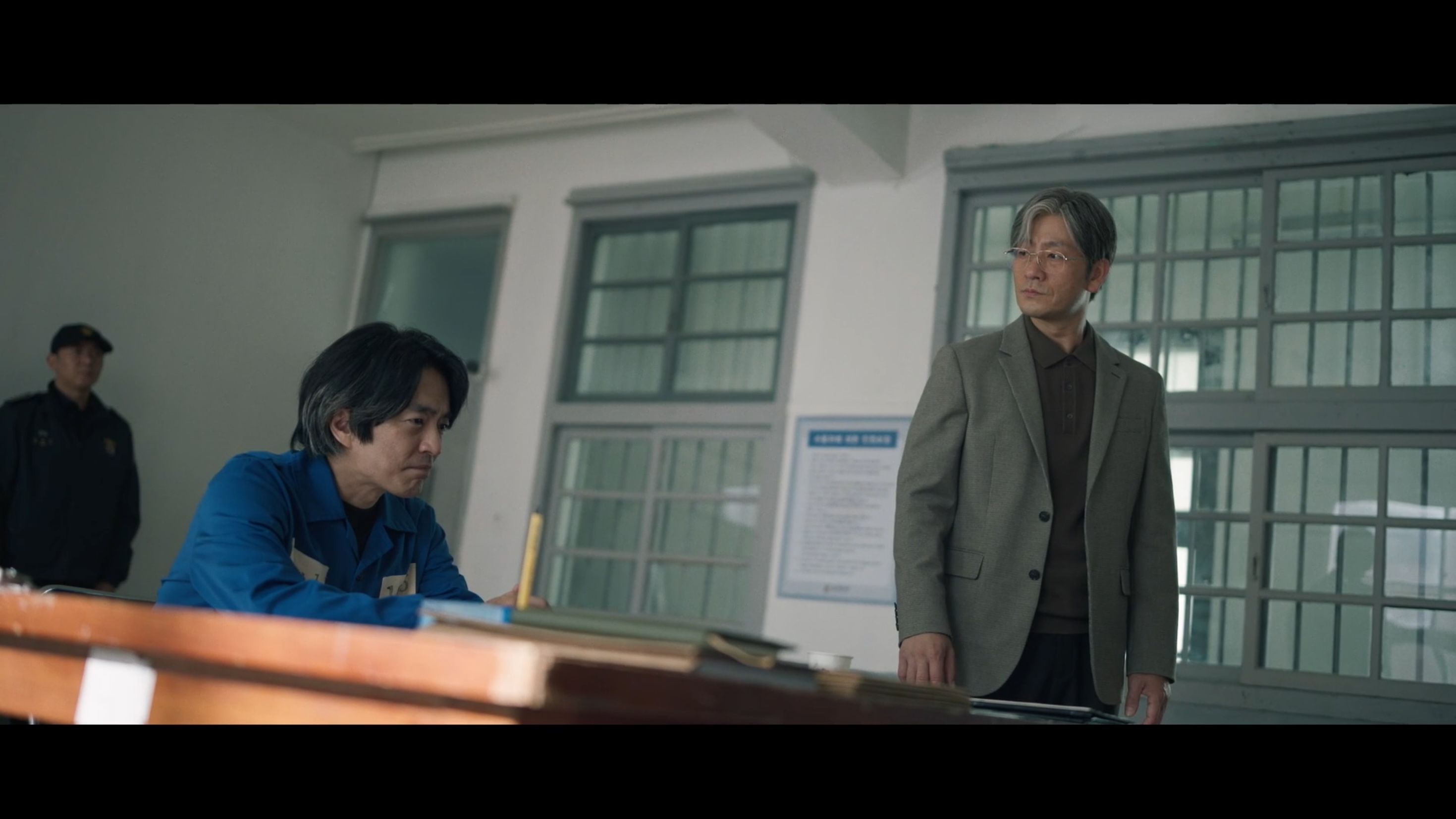
Tae-joo hones in on Ki-hwan’s rationale for setting the two cases apart — they involved perpetrators other than himself, namely the corrupt and complicit authorities. How ironic that the murderer is finally telling the truth, only for the police and prosecution to be the ones lying through their teeth. And for an amoral serial killer to be the one pointing out this hypocrisy, too.
A clever psychological tactic that needles Ki-hwan’s pride is the trick to having him testify, since he wants to claim the credit for his murders. In tandem with Tae-joo’s testimony, Ki-hwan’s recollection of Hye-jin’s burial becomes credible. And how horrifying it is, to think that a profiler has no choice but to team up with a murderer all because those in the justice system won’t end their deceit.
Through Ji-won’s live news broadcast, the truth is revealed first with Ki-hwan’s recorded interview, followed by Tae-joo’s bold declaration of the four corrupt conspirators’ names. With the statute of limitations long expired, they can no longer be held accountable in the eyes of the law, but at least they will be subjected to the public castigation they deserve.
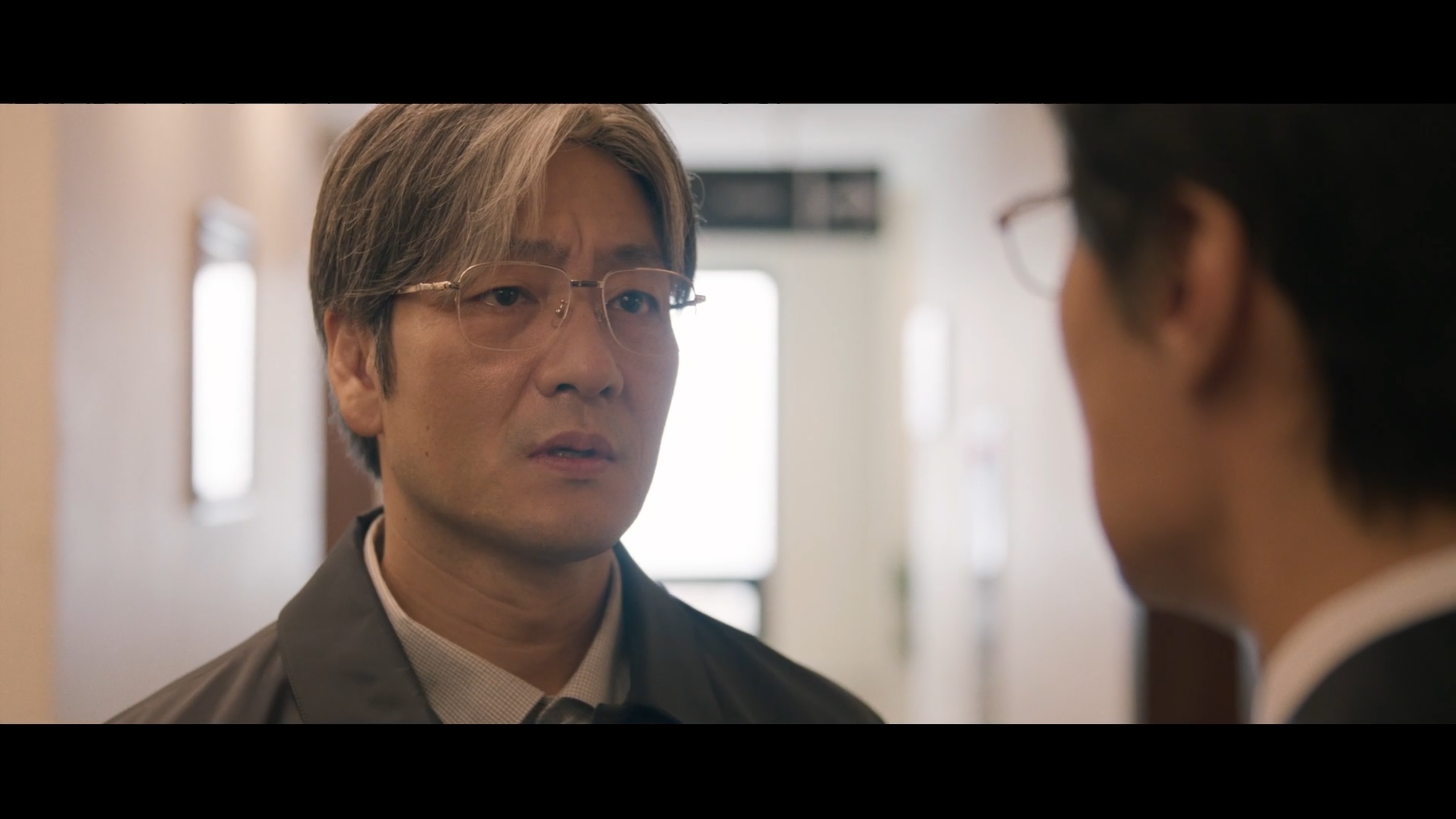
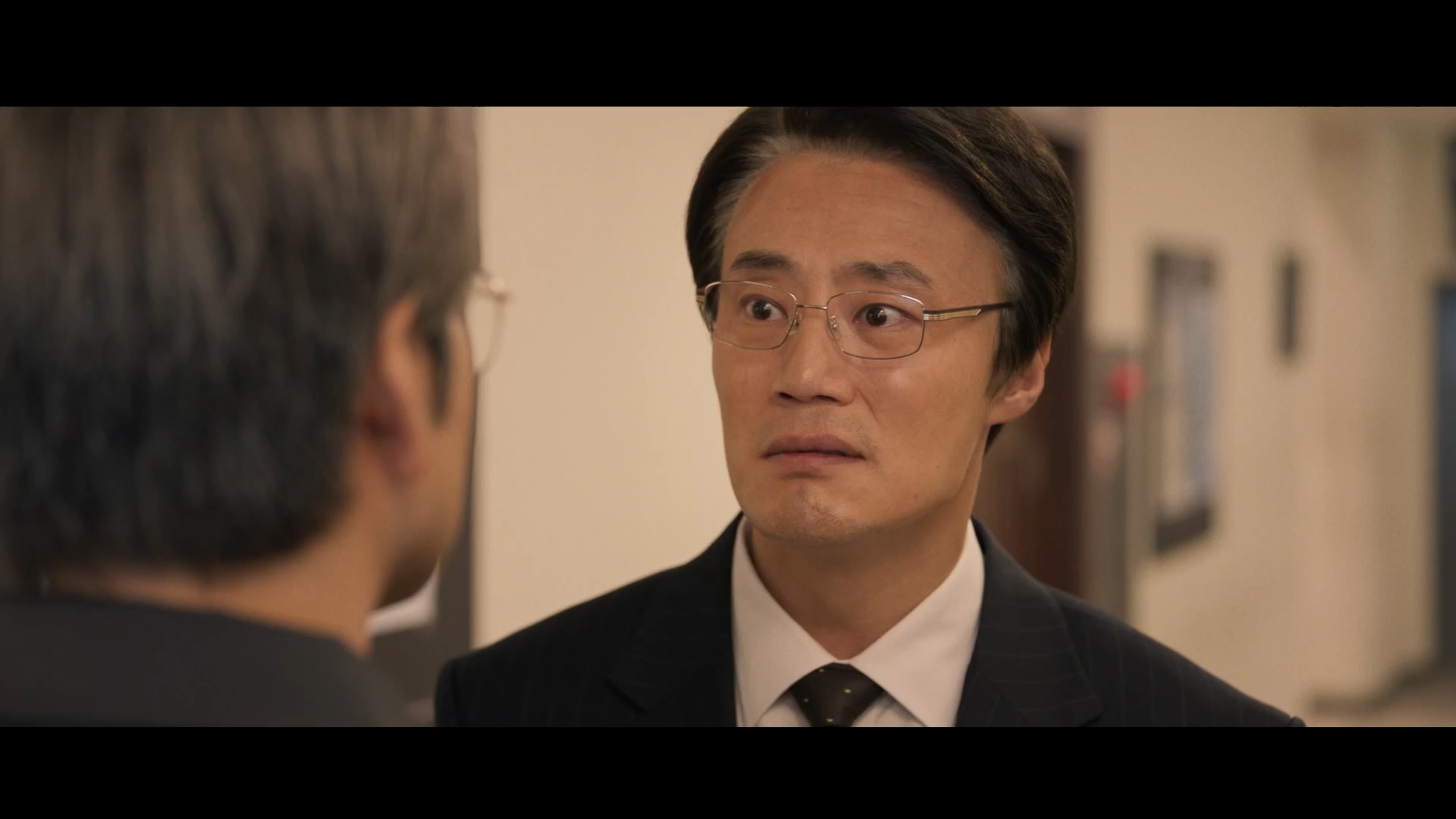
As for Young-beom, the veil over his eyes has been yanked off at long last. Pleading for Shi-young to admit to his deeds, the kind-hearted Young-beom promises he’ll stay by his uncle’s side through it all. But for all that Shi-young sincerely cares for his nephew, his own interests will always come first. Tae-joo points out just as much, having finally seen through Shi-young’s many facades. It was Shi-young’s fear of abandonment that drove him to bullying, and Tae-joo says he would have stayed by Shi-young’s side if he had known how scared he’d been back then.
Even so, it would never have worked out, because Shi-young isn’t one to keep someone who knows his weakness as a friend. In an echo of an earlier line Shi-young used to assert their class gap, Tae-joo repeats, “That’s the difference between you and me.” Yet Tae-joo still gives Shi-young a second chance, using the words “we” and “us,” extending a hand to bear the weight of their sins together. But Shi-young doesn’t take Tae-joo’s hand.
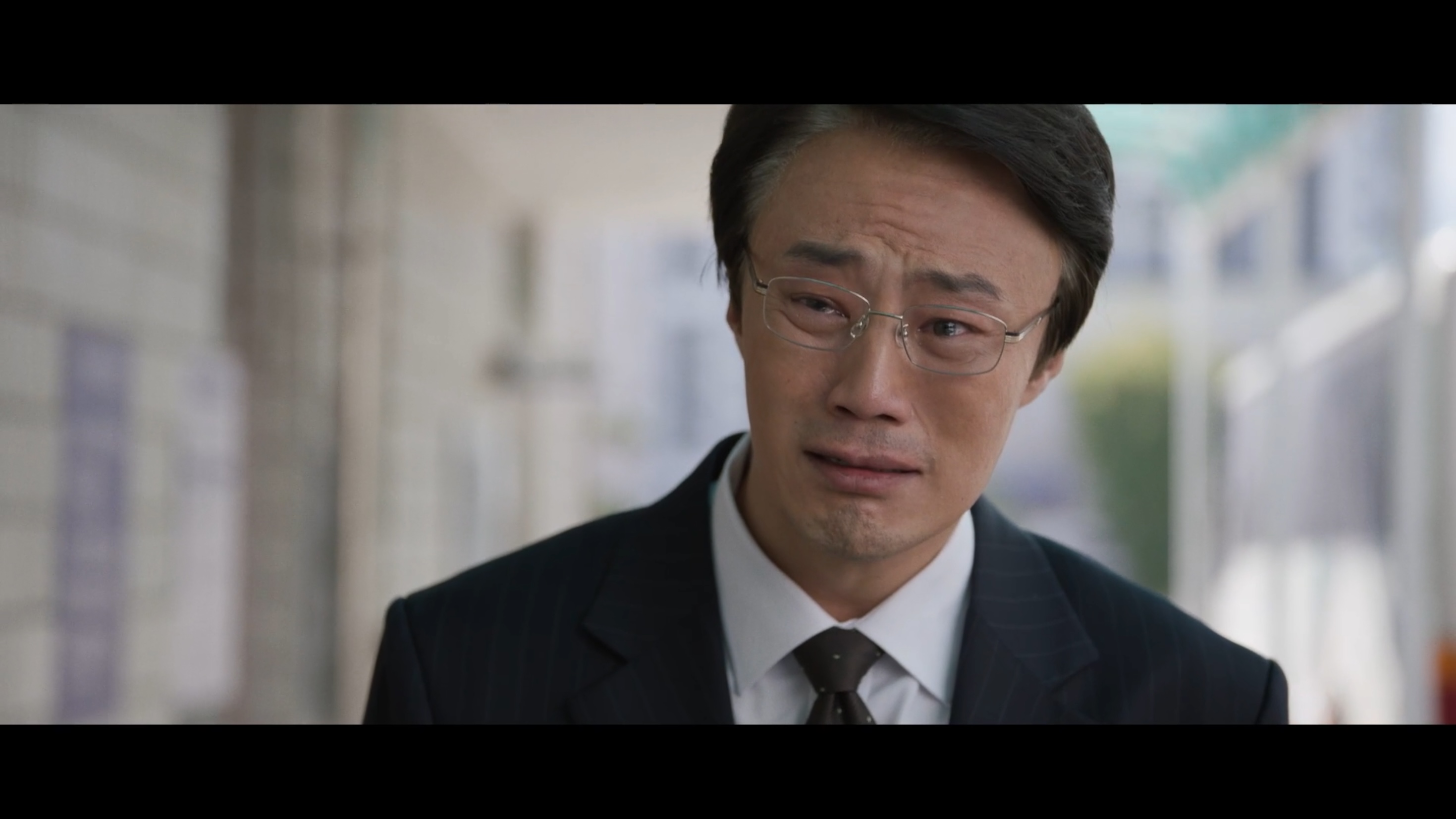
As detestable as Shi-young is, he’s such a fascinating character to pick apart. Despite all the chances he’s been given, he can’t recognize that kindness and generosity for what it is. Instead, he instinctively kicks it aside in favor of self-interest, survival, and external validation, putting his pride and power above all else. For all that Shi-young is cunning and shrewd, he’s not quite self-aware enough to realize that he’s bringing his own misfortune and loneliness upon himself. If only he let himself be vulnerable; if only he trusted others just a little more.
Standing in court, Shi-young brazenly denies that coercion or torture ever took place. “Lies can never overcome the truth,” the hypocritical Shi-young declares, without an ounce of shame. But when Young-beom voices his disappointment in him, no longer calling him “Uncle,” Shi-young’s face crumples in genuine tears. How ironic that everything Shi-young has done to prevent others from casting him aside, ultimately caused the one person he didn’t want to lose to turn his back on him.
In the end, even Hee-jin (ohmygod Cha Ji-yeon?! *squee*) walks out on her husband to take a breather overseas. “I’m as sick of foreign food as I am of you,” complains Hee-jin, storming out. (LOL.) And so Shi-young is left all alone once more, having wrought his own abandonment.
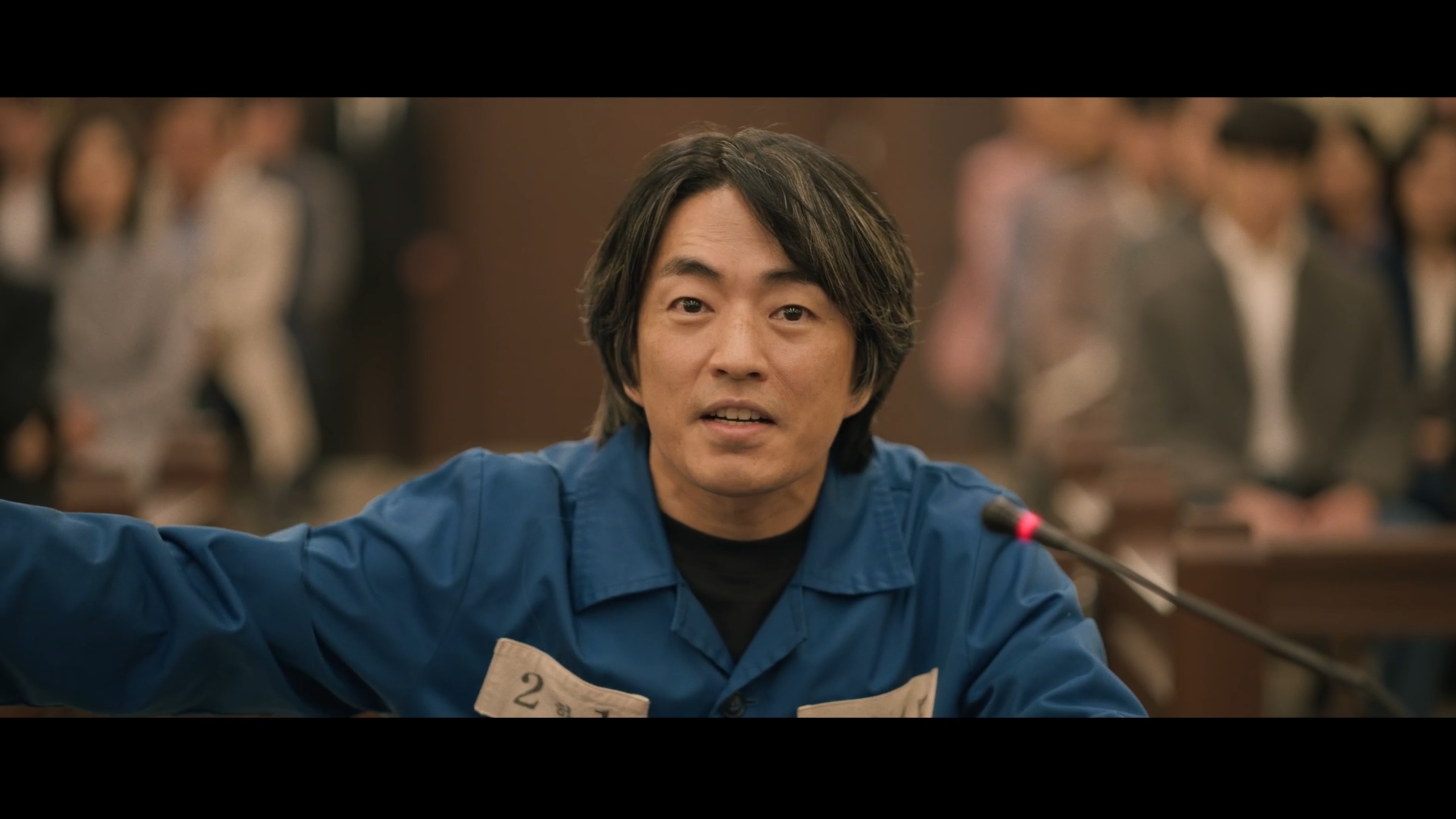
In contrast to Shi-young’s perjury, Ki-hwan testifies truthfully at Seok-man’s retrial, admitting the full truth of his seventh murder. It’s a shame that an innocent man was branded a murderer for his crimes, Ki-hwan says, as he looks straight into the camera. He hopes his testimony exposes the people who framed a man and hid a child’s corpse.
Oof, it’s so good that the drama had Jung Moon-sung deliver these lines. Not only because of his phenomenal performance as Ki-hwan, but also the cognitive dissonance of a murderer being more honest and just than law enforcement and justice officials. It’s an indictment against all the wrongdoers of the past, made all the more damning through the serial killer’s mouth. They’re no better than a murderer, because their selfish actions destroyed lives, too.
It’s a bittersweet moment when Seok-man is exonerated by the court, finally declared not guilty for a crime he never committed. No amount of compensation can ever make up for the suffering inflicted upon him, or all the time snatched away from him.
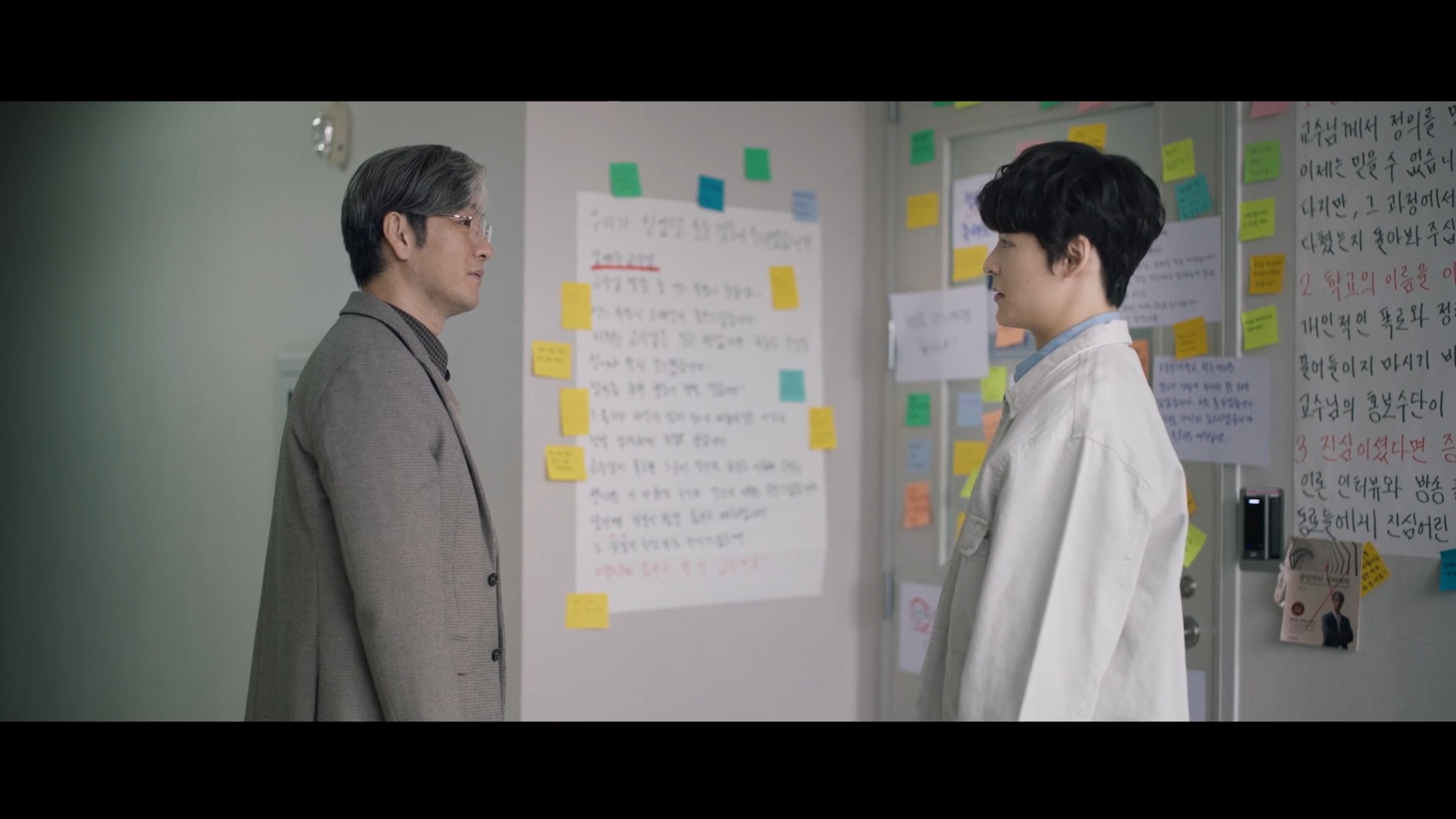
In the aftermath, Tae-joo gracefully accepts the criticism against his past incompetence and inaction, recognizing his share of blame and bearing this long-overdue punishment. But while he’s taken a blow to his career and public opinion, Tae-joo is surrounded by people who care for him. He’s reconnected with Ji-won and Soon-young, and now he’s gained a nephew in Young-beom, who’s shyly taken to calling him “Uncle,” aww. It’s the exact opposite of Shi-young, who fought tooth and nail to protect his reputation but is now left with no one by his side.
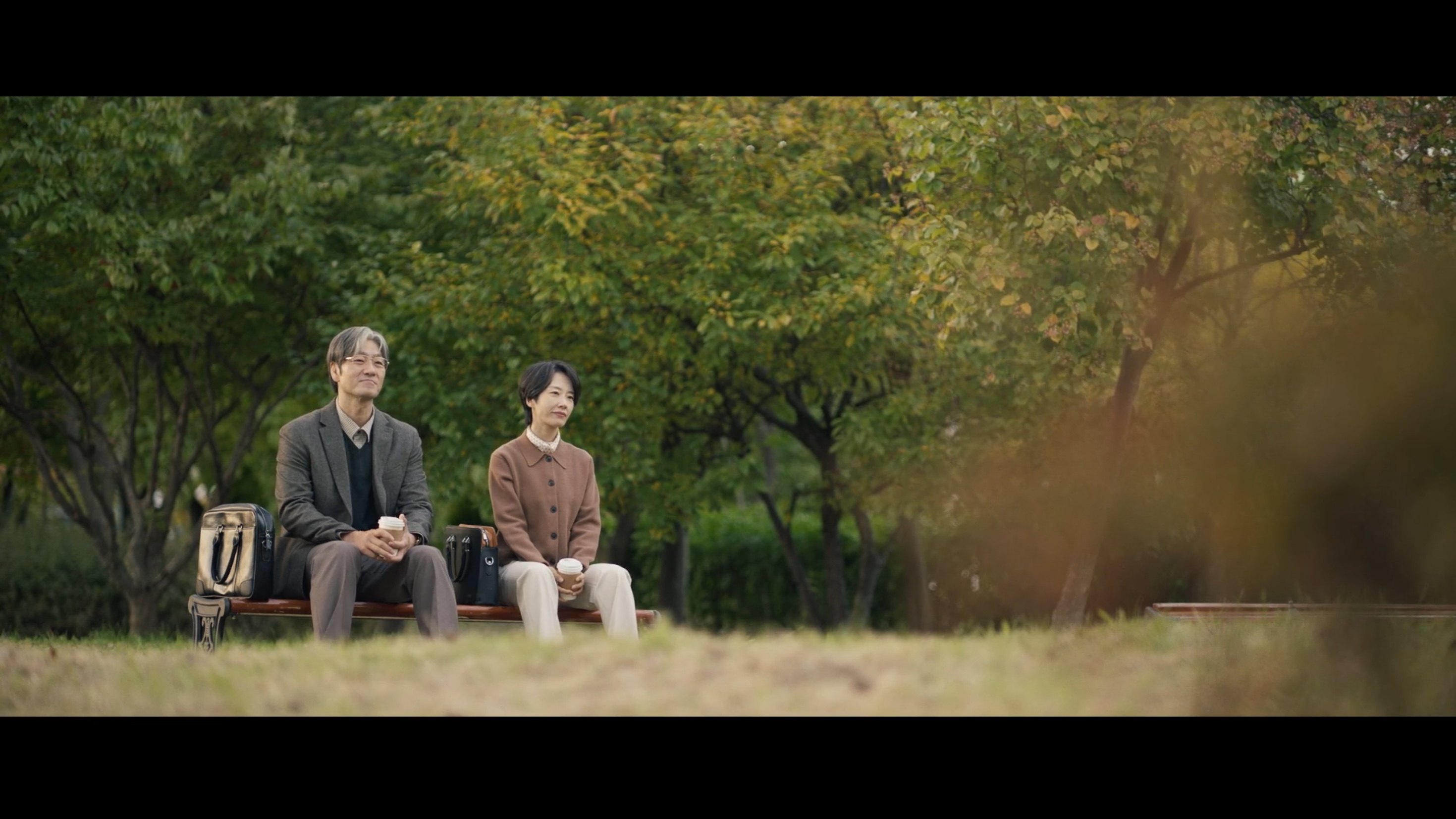
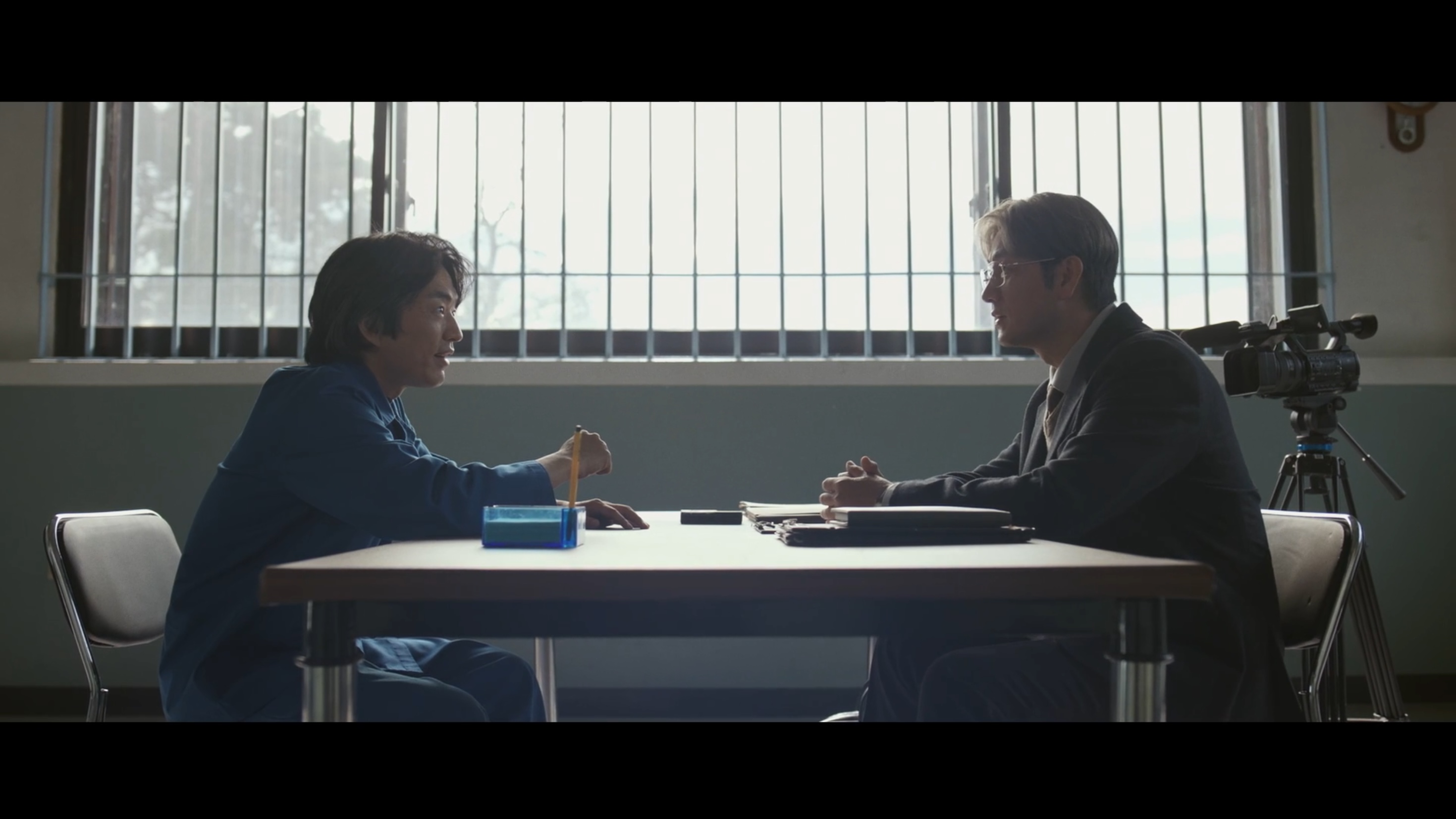
Now that everything has come to light, Tae-joo puts an end to his meetings with Ki-hwan. While chasing the scarecrow, Tae-joo turned into one himself. Now, he’s finally trying to come to his senses and live like a real person. Brazen and conceited, Ki-hwan proclaims that the two of them brought the truth to light, but Tae-joo immediately nips his hypocritical moralizing in the bud. Ki-hwan shouldn’t dare to dream for even a second that he did a righteous deed, because this entire tragedy began with him.
More subdued now, Ki-hwan asks if, some time later, Tae-joo can come visit him — not as a profiler, but as a friend. There’s a sheen of vulnerability in Ki-hwan’s eyes as he says this, and it’s both poignant and preposterous. Tae-joo answers that he’ll consider it if, and only if, there ever comes a day when Ki-hwan truly repents for his sins. In response, Ki-hwan asks Tae-joo to let him know once he’s managed to right all the wrongs in the world, as he so wishes. “Tell me how this story ends.” Tae-joo doesn’t reply, shutting the door with a firm click of finality. But outside, to Officer Lee, Tae-joo admits that he hopes to return someday — in other words, he still hopes for Ki-hwan’s repentance and remorse, however slim that chance may be.
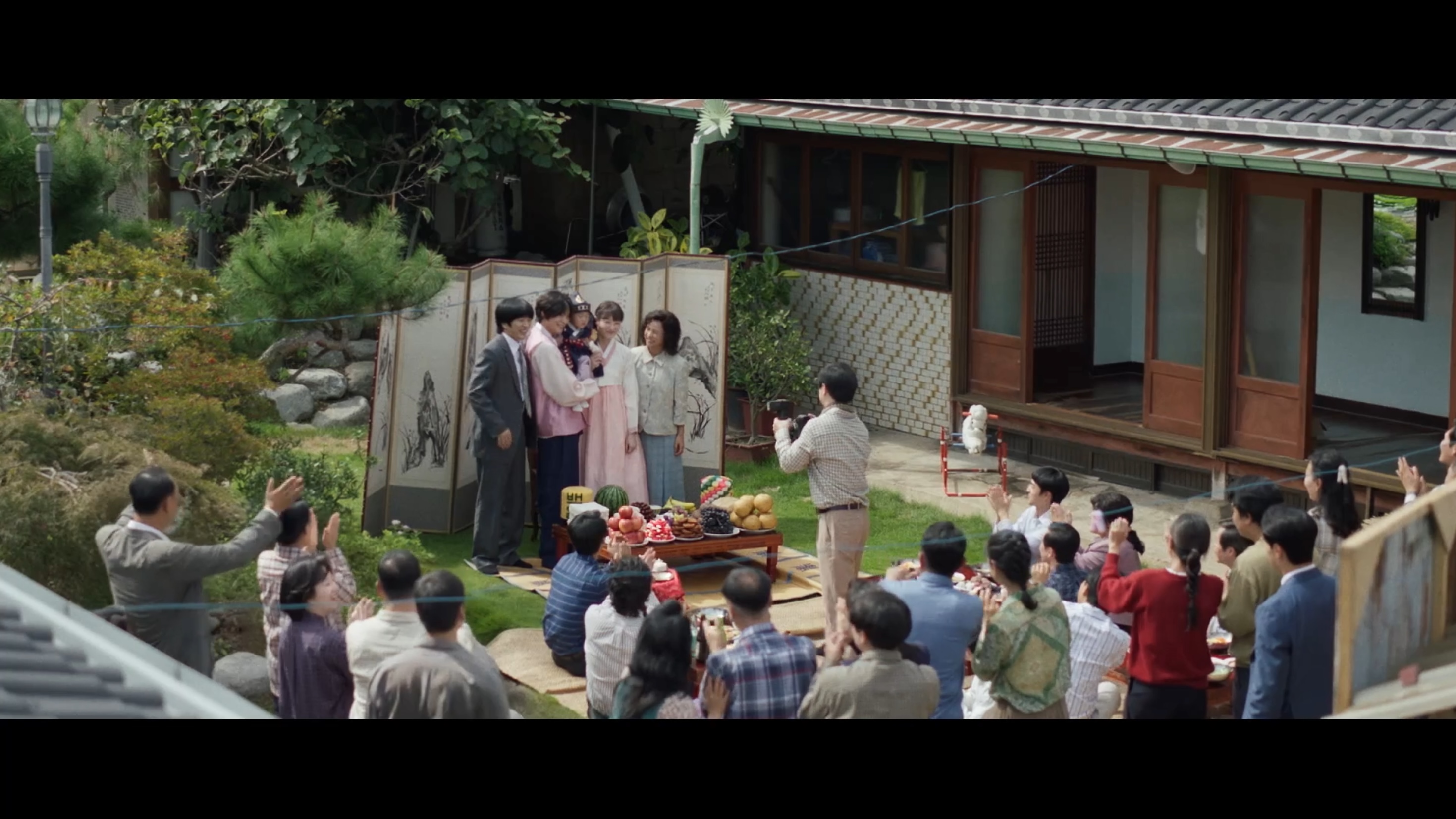
Later on, Tae-joo tells Ji-won about a dream he had. In it, it’s little Young-beom’s first birthday celebration. Soon-young warmly welcomes Tae-joo at the gate, and Ji-won playfully smacks him on the head for being late to his nephew’s party. Shi-young grins lightheartedly, beckoning him over, and Tae-joo eventually reciprocates with a small smile. Ki-beom, healthy and happy, coos over his child. All their precious family and friends are in attendance, including Sung-jin, little Hye-jin, and Seok-man, too. Everyone Tae-joo failed to protect.
And then there’s Ki-hwan, beaming brightly by Ki-beom’s side, looking every bit the affable village fool we once knew him as. This dream isn’t a happy one because it excludes the murderer; it’s a happy one because the murderer was never one at all. Because once upon a time, Ki-hwan was a dear friend too. And what hurts most is that this dream never did, and never could, become a reality.
Back in the present, Ji-won wistfully wonders how life would have been if not for what happened. “At the very least,” Tae-joo says, “we would’ve all been together.”
And so The Scarecrow comes to a close, its curtains falling on a somber reflection upon how a single case irrevocably changed the lives of an entire village. The ghosts of the past linger in the crevices that were never able to fully heal, and it is our duty to remember their suffering and never, ever repeat the same mistakes.
Framed as an indictment of society’s wrongdoings, and made with the permission of the real-life victims and bereaved families, there was only ever one way this drama could end. To deliver a fictional comeuppance that never came to fruition in real life, or to have the corrupt authorities repent with a conscience that their actual counterparts never once displayed, would be a disrespect to the suffering that the victims have endured for decades. The shortfalls of justice are an intentional, stark reminder of all the ways that the country failed its people.
The Scarecrow is such a brilliantly apt title — on one hand, it refers to the mask that the serial killer wears, its motif derived from the scarecrow that was put up as a warning to the real-life murderer. On the other hand, as the drama shifts its focus following the culprit reveal, so too does its title. Beyond just the murderer, even the police and prosecution wind up resembling scarecrows — some of them grasping at straws to pin down any suspect at all, and some of them selling out their conscience and turning into empty husks that can barely be called human.
And in a way, didn’t we — as viewers, as bystanders — also turn into scarecrows too? Coming up with conjectures, founding accusations on assumptions, getting led on a wild goose chase along the trail of red herrings. In the shoes of Tae-joo, or Dae-ho, or even Shi-young, how many of us would be able to make the morally right decisions despite all the risks they entail? Cleverly, the drama warns us that it’s all too easy to slip down the wrong path, and it’s a stark reminder to be conscientious and compassionate.
Interestingly, Lee Hee-joon revealed in an interview that Tae-joo and Shi-young were originally a single character. The writer’s decision to split them up into two characters with parallel yet opposite trajectories works so well in setting them up as foils, highlighting all the ways in which integrity and honesty set them apart — but also all the ways in which a corrupt system dooms them both to failure. Shi-young’s selfish ambition and vindictive insecurity entrench him in a self-cannibalizing cycle of violence and isolation, but even Tae-joo, for all his indomitable spirit and burning righteousness, ultimately falls short when shackled by bureaucratic red tape and egocentric authorities.
And of course, what an intricate and inimitable performance by Jung Moon-sung. Portraying Ki-hwan with just enough verve to make him utterly contemptible, and just enough restraint to keep him feeling spine-chillingly real, he won us all over with his endearing facade only to abruptly turn on a dime. It made the betrayal of Ki-hwan’s duplicity land that much harder. I am so glad the production team went with the decision to obscure the culprit’s face at first, and I’m still cracking up at the article saying how Jung Moon-sung joked about dropping out unless he got to play the older Ki-hwan as well. As Park Hae-soo mentioned in an interview, the entire main cast stood up in shock upon watching the killer reveal, including Jung Moon-sung himself, ha. I really cannot give enough praise to how incredible the directorial decisions have been, and how compellingly this artistic vision was brought to life by the talented cast.
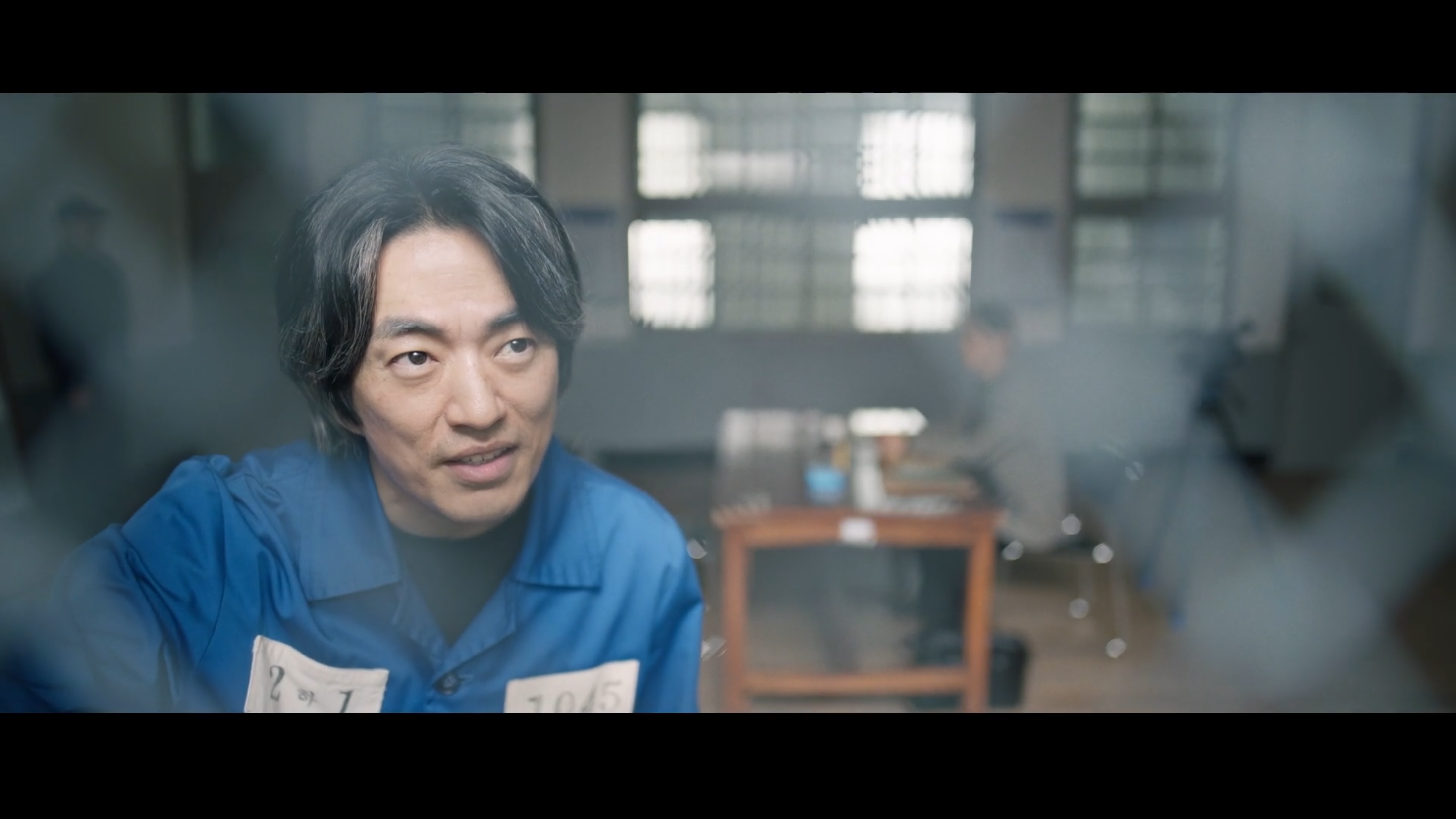
It has been an absolute honor to recap this brilliant drama — it’s been a long time since I’ve enjoyed an ongoing show to this extent, eagerly anticipating new episodes week after week. It really speaks to the quality of the drama’s writing and directing that it was able to maintain both suspense and pathos throughout, even with history as its biggest spoiler. It struck a delicate balance between keeping its viewers immersed in its storytelling, while taking care to remain sensitive and respectful to the narrative’s real-life counterparts. The drama knew what message it wanted to convey right from the beginning, and stayed true to it throughout.
This certainly isn’t the first time that the Hwaseong serial killings have been depicted in fictional media, and I’m fairly sure it won’t be the last. But The Scarecrow sets itself apart by moving beyond the killer’s motivations or the mystery of the pursuit, instead focusing on examining the indelible trauma carved into the psyche of all the victims caught in the case’s sprawling web. History may slip past as the clock ticks by, but when the sands of time are steeped in the blood of innocent people, the onus is on us to remember their stories — in every harrowing, discomfiting, regrettable detail.
RELATED POSTS