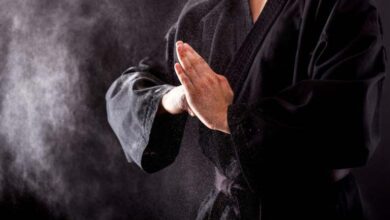
Combat sports demand a unique combination of power, speed, endurance, and mental focus. Whether you’re practicing kung fu, Muay Thai, boxing, or MMA, hard training sessions place significant stress on the body. While many athletes focus on pushing harder, recovery is often what determines long-term progress. That’s where active recovery in combat sports becomes essential.
What Is Active Recovery?
Active recovery refers to low-intensity physical activity performed between demanding training sessions. Unlike complete rest, active recovery keeps the body moving without adding significant fatigue. Common examples include walking, cycling, mobility drills, yoga, and swimming. The goal is to promote circulation, reduce stiffness, and help the body recover more efficiently while maintaining movement quality.
Why Fighters Benefit From Active Recovery
Active recovery offers several advantages that can help martial artists train more consistently, recover more efficiently, and maintain peak performance over time. Here are some of the key benefits.
Reduces Muscle Soreness
After intense sparring, pad work, or strength training, muscles can feel tight and fatigued. Gentle movement increases blood flow, which may help reduce soreness and support the body’s natural recovery processes.
Maintains Mobility
Combat athletes rely on flexibility and range of motion for effective technique execution. Active recovery sessions can keep joints mobile and muscles supple without the stress of another hard workout.
Supports Consistent Training
One of the biggest challenges in martial arts is staying healthy enough to train consistently. By incorporating recovery-focused activities, athletes may reduce accumulated fatigue and arrive at their next session feeling fresher and more prepared.
Why Swimming Is an Excellent Recovery Option
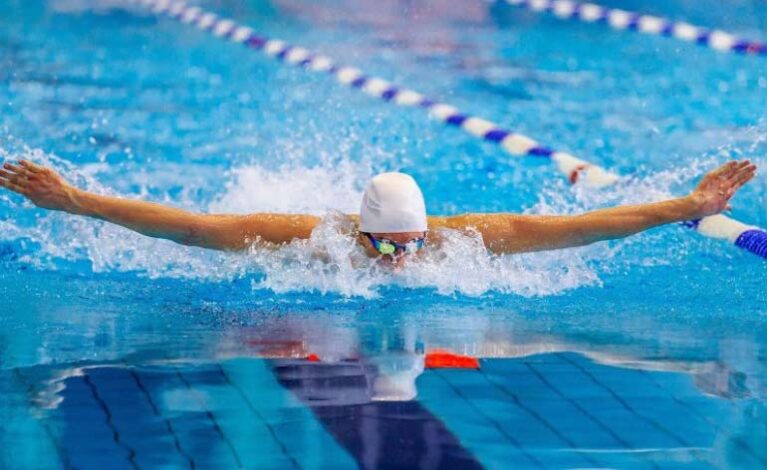
Swimming is particularly valuable because it provides full-body movement with minimal impact on the joints. The water supports body weight, allowing athletes to move freely while avoiding the repetitive stress associated with striking, grappling, and conditioning drills.
For example, an in-ground swimming pool offers many benefits, as swimming can support physical activity, relaxation, and overall wellness. Even a light 20- to 30-minute swim can help fighters loosen tight muscles and recover between demanding training sessions.
Building Recovery Into Your Routine
The best recovery plans are simple and sustainable. Consider scheduling one or two active recovery sessions each week, especially after intense sparring days or competitions. Focus on keeping effort levels low and prioritizing movement quality over performance.
In the long run, active recovery in combat sports is not about doing more work—it’s about making sure your body is ready for the work that matters most. The fighters who recover well are often the ones who continue improving, year after year.