
Even if you haven’t watched season one of Apple TV’s “Sugar,” you probably already know about its wacky end-of-season plot twist. Debuting in 2024, the series focuses on private investigator John Sugar (Colin Farrell), who specializes in missing-persons cases, inspired by his sister, who went missing years earlier. No matter the particulars of the case, Sugar remains driven by the anguish of not knowing what happened to her, diving headfirst into the dangers of Los Angeles’ slick city streets.
But John Sugar isn’t your ordinary detective; he’s not human at all. The man’s true self takes the form of a blue-skinned alien, and he has been sent to Earth to study and observe humanity. This twist alienated some, and engaged others—like myself—who saw it as a bold swing in a television landscape that in 2024 felt more lackluster than it does today. Once it was revealed, the eight-episode first season took on a whole new dimension, and the series continues to reach for the stars as Sugar finds himself on the hunt for Ji Moon (Raymond Lee), another victim of the promises of America’s most notorious city.
Initially dismissed as a drug-fueled binge, Sugar is hired by Ji’s up-and-coming boxer brother, Danny (Jin Ha). As Sugar plunges deeper into the dark recesses of Ji’s community, he discovers that while hiding out in a hospital after stealing drugs, the man witnessed a murder, prompting his hasty disappearance. As the threads of this case come together, and Sugar and Danny desperately try to locate Ji, our protagonist becomes exposed to the abject apathy of modern humanity. While worrying over how embedded he has become in this case, Sugar asks himself, and the audience, “If I walk away, who helps them?”
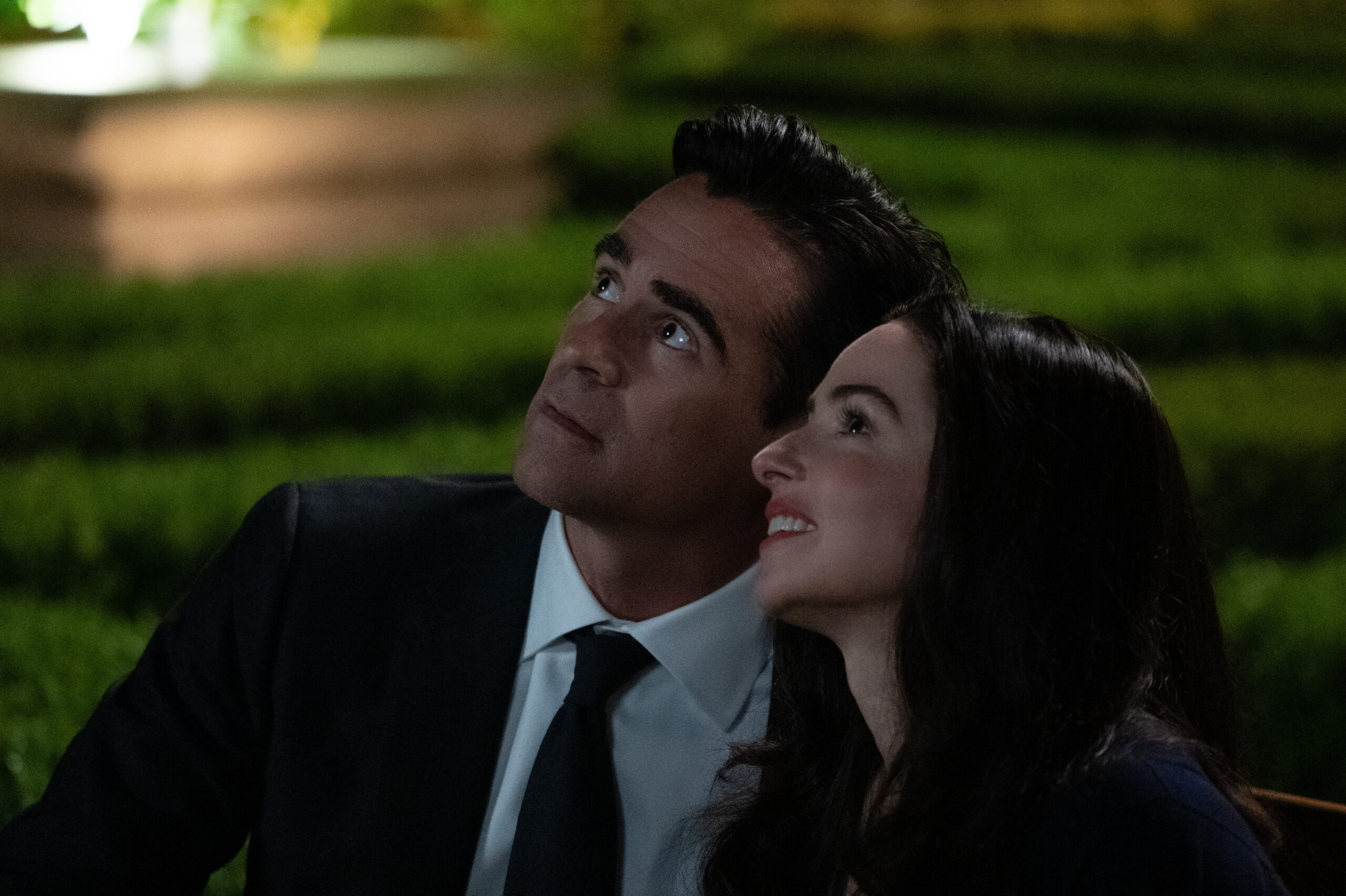
The group in question expands from Ji and Danny to LA’s homeless population, both of whom Sugar can’t seem to stray away from. Sugar is someone who spends his time fascinated by classical Hollywood cinema, with these films serving as his means of understanding Earth and the people who inhabit it. But what Sugar still doesn’t seem to get about the country he resides in is that it is wholly corrupt, and one that seldom ever changes for the better. His love for Earth and its inhabitants often leads him to act with his heart rather than his brain, putting himself and his newfound friends in danger.
This is where the season begins to take shape as a more refined and bolder version of the show that premiered in 2024. Each step Sugar takes threatens his safety, allowing the season to ramp up its stakes and take on the shape of an actual noir rather than a show that focuses on a man playing at one. The editing and pacing of the first couple of episodes may feel frenetic, but as we go back and forth between the past and present, the story that shapes up in season two is one of this year’s most engaging. Although there are points where the pacing wanes, resulting in some episodes that slog along, the majority of season two is a meaningful examination of loneliness in the modern age.
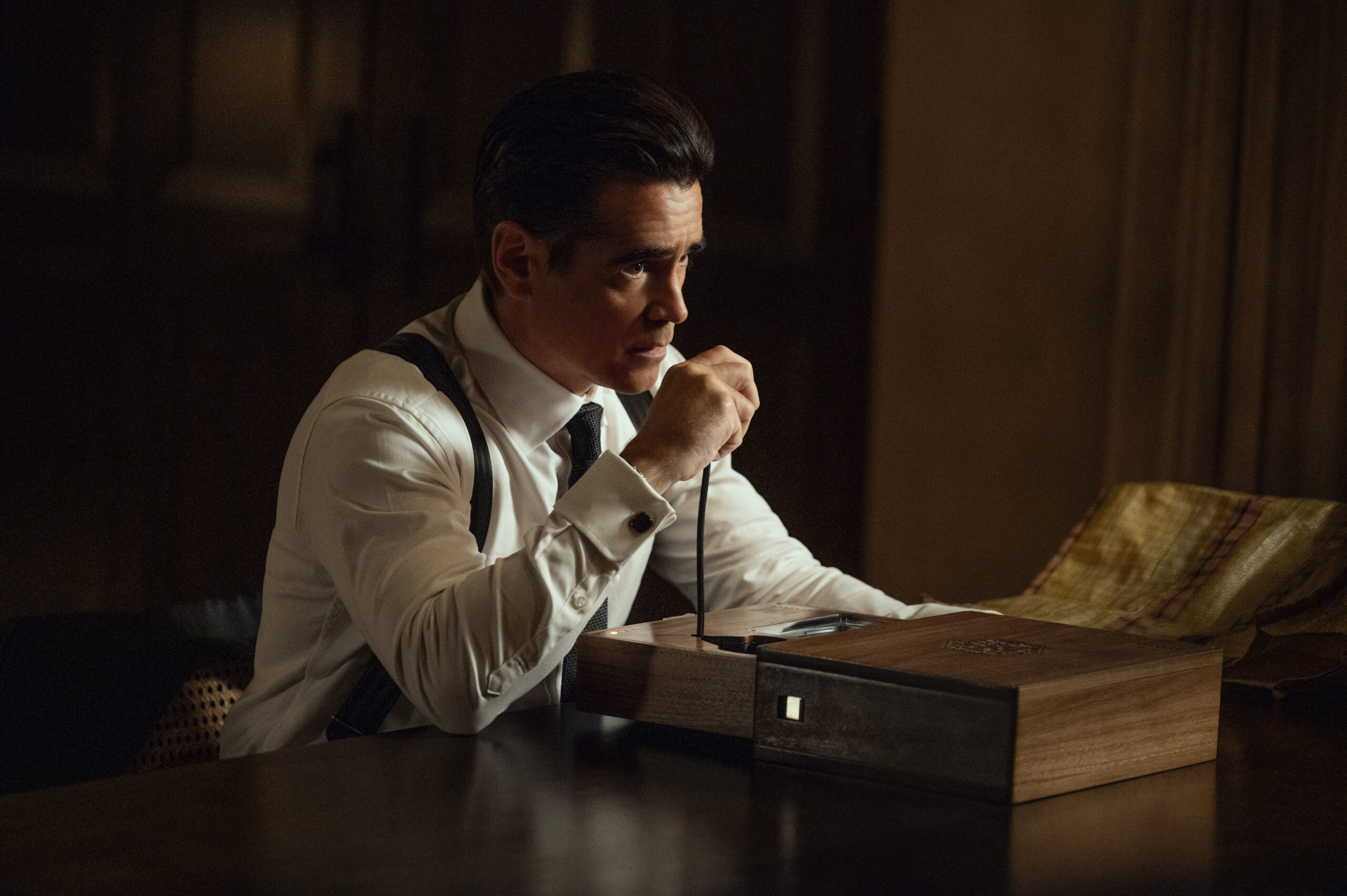
Sugar’s fascination with humanity stems from deep isolation, and by exploring this, season two exposes how fundamentally lonely modern life is. The characters he connects with this season are all broken people society has discarded, and while trying to protect them, he finds some satisfaction, yet he still longs to make these connections deeper. As he contextualizes relationships like sibling bonds and social activities like clubbing through movie scenes that flicker from his brain onto the screen, he slowly begins to open up and, in doing so, becomes one of the most interesting protagonists on television this spring.
Thankfully, this time around, the people whose lives he gets wrapped up in are just as fascinating as him, from the brothers he’s desperate to reunite, to his new partner in crime, Val (Sasha Calle). What makes this season stand out is new showrunner Sam Catlin’s understanding of what season one lacked, and his willingness to restructure this series plot structure as well as its character work. “Sugar” has proven itself not to be a detective drama driven by the wacky origins of its protagonist. Instead, it’s an exploration of how we can retain our humanity in an age when the powers that be seem so desperate to strip each of us of it.
All episodes were screened for review.
